

Sugars, brown
Whole food · Sweets
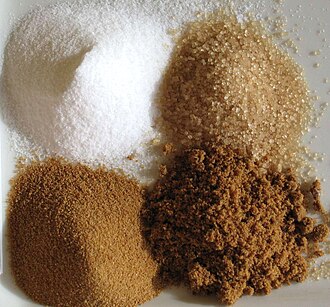
Photo: Wikipedia
Brown sugar is refined white sugar with molasses added back, giving it a moist, sandy texture and a warm, caramel-like flavor. Its deep amber color comes from the molasses, which also contributes trace minerals like calcium, potassium, and iron. Nutritionally, it is almost pure carbohydrate, providing 380 kcal and 97g of sugar per 100g.
Calorie split: 0% protein · 100% carbs · 0% fat
↓ Full nutrition💚 Why it's loved
People love brown sugar for its rich, complex sweetness that elevates everything from oatmeal cookies to barbecue glazes. Its moist texture makes it ideal for creating tender, chewy baked goods and it's a staple in comfort food recipes worldwide.
⚠️ Watch-outs & how to enjoy it better
Brown sugar is calorie-dense with little nutritional value beyond quick energy, and its high sugar content can cause rapid blood-sugar spikes. To counteract this, pair it with protein or healthy fats (like nuts or yogurt) to slow absorption, practice strict portion control (e.g., 1 tsp per serving), and reserve it for occasional treats rather than daily staples.
Key benefits
- Adds moisture and chewiness to baked goods
- Provides quick energy from simple carbohydrates
- Contains trace minerals from molasses (calcium, potassium, iron)
- Enhances flavor with caramel and toffee notes
- Dissolves easily in liquids for sauces and drinks
🍽️ Popular dishes

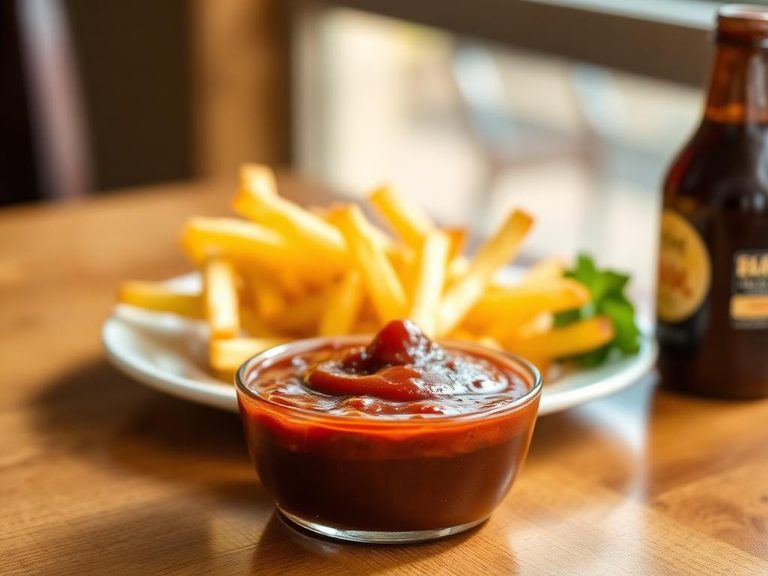
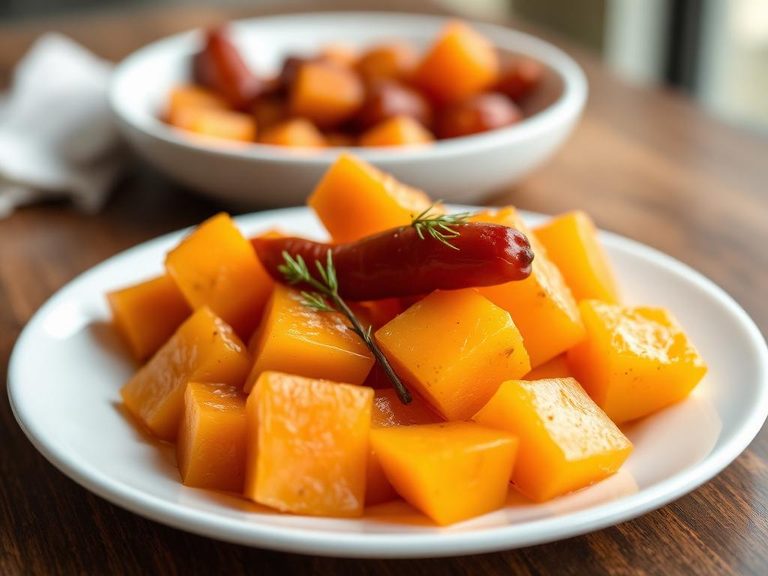
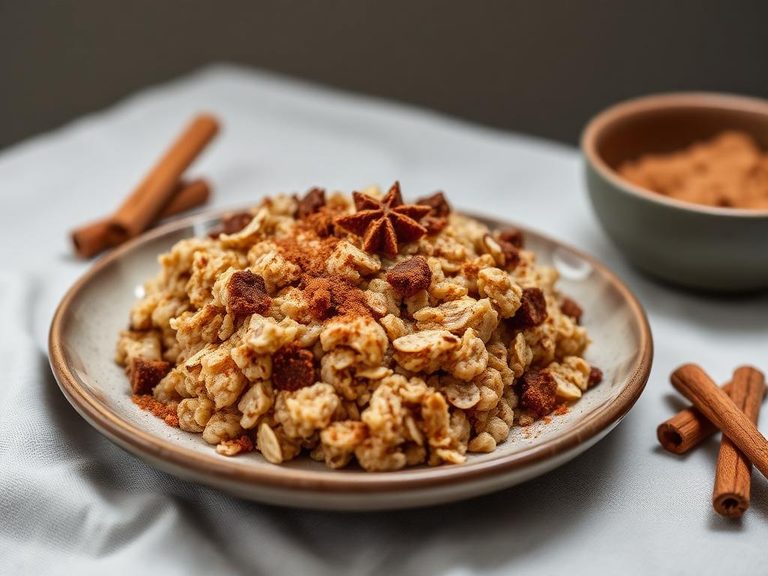
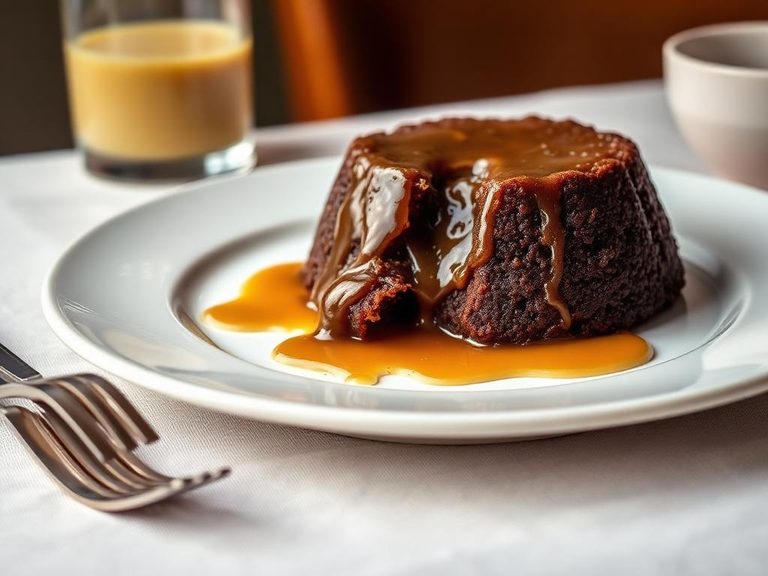

🌍 Where it's eaten
💡 Did you know?
Brown sugar can be made at home by simply mixing 1 cup of white sugar with 1 tablespoon of molasses, then blending until uniform.
Full nutrition (USDA data · scales with serving)
| Water | 1.3 g |
| Energy | 380 kcal |
| Energy | 1590 kj |
| Protein | 0.12 g |
| Total lipid (fat) | 0.00 g |
| Ash | 0.45 g |
| Carbohydrate, by difference | 98.1 g |
| Fiber, total dietary | 0.00 g |
| Total Sugars | 97.0 g |
| Sucrose | 94.6 g |
| Glucose | 1.4 g |
| Fructose | 1.1 g |
| Lactose | 0.00 g |
| Maltose | 0.00 g |
| Galactose | 0.00 g |
| Calcium, Ca | 83.0 mg |
| Iron, Fe | 0.71 mg |
| Magnesium, Mg | 9.0 mg |
| Phosphorus, P | 4.0 mg |
| Potassium, K | 133 mg |
| Sodium, Na | 28.0 mg |
| Zinc, Zn | 0.03 mg |
| Copper, Cu | 0.05 mg |
| Manganese, Mn | 0.06 mg |
| Selenium, Se | 1.2 ug |
| Vitamin C, total ascorbic acid | 0.00 mg |
| Thiamin | 0.00 mg |
| Riboflavin | 0.00 mg |
| Niacin | 0.11 mg |
| Pantothenic acid | 0.13 mg |
| Vitamin B-6 | 0.04 mg |
| Folate, total | 1.0 ug |
| Folic acid | 0.00 ug |
| Folate, food | 1.0 ug |
| Folate, DFE | 1.0 ug |
| Choline, total | 2.3 mg |
| Betaine | 0.10 mg |
| Vitamin B-12 | 0.00 ug |
| Vitamin B-12, added | 0.00 ug |
| Vitamin A, RAE | 0.00 ug |
| Retinol | 0.00 ug |
| Carotene, beta | 0.00 ug |
| Carotene, alpha | 0.00 ug |
| Cryptoxanthin, beta | 0.00 ug |
| Vitamin A, IU | 0.00 iu |
| Lycopene | 0.00 ug |
| Lutein + zeaxanthin | 0.00 ug |
| Vitamin E (alpha-tocopherol) | 0.00 mg |
| Vitamin E, added | 0.00 mg |
| Vitamin D (D2 + D3), International Units | 0.00 iu |
| Vitamin D (D2 + D3) | 0.00 ug |
| Vitamin K (phylloquinone) | 0.00 ug |
| Alcohol, ethyl | 0.00 g |
| Caffeine | 0.00 mg |
| Theobromine | 0.00 mg |
Fat & fatty acid profile (per 100g)
| Fatty acids, total saturated | 0.00 g |
| SFA 4:0 | 0.00 g |
| SFA 6:0 | 0.00 g |
| SFA 8:0 | 0.00 g |
| SFA 10:0 | 0.00 g |
| SFA 12:0 | 0.00 g |
| SFA 14:0 | 0.00 g |
| SFA 16:0 | 0.00 g |
| SFA 18:0 | 0.00 g |
| Fatty acids, total monounsaturated | 0.00 g |
| MUFA 16:1 | 0.00 g |
| MUFA 18:1 | 0.00 g |
| MUFA 20:1 | 0.00 g |
| MUFA 22:1 | 0.00 g |
| Fatty acids, total polyunsaturated | 0.00 g |
| PUFA 18:2 | 0.00 g |
| PUFA 18:3 | 0.00 g |
| PUFA 18:4 | 0.00 g |
| PUFA 20:4 | 0.00 g |
| PUFA 20:5 n-3 (EPA) | 0.00 g |
| PUFA 22:5 n-3 (DPA) | 0.00 g |
| PUFA 22:6 n-3 (DHA) | 0.00 g |
| Cholesterol | 0.00 mg |
FAQ
What's the difference between light and dark brown sugar?
The difference is the molasses content. Dark brown sugar has more molasses, giving it a stronger flavor and darker color, while light brown sugar is milder.
Can I substitute white sugar for brown sugar?
Yes, but the texture and flavor will change. For every cup of brown sugar, use 1 cup of white sugar plus 1 tablespoon of molasses to mimic the taste and moisture.
Why does brown sugar harden?
It hardens when moisture evaporates. To soften it, place it in an airtight container with a slice of bread, an apple wedge, or a terra cotta sugar saver for a day.
Is brown sugar healthier than white sugar?
Not significantly. While it contains trace minerals from molasses, the amounts are negligible. Both are primarily sucrose and should be consumed in moderation.
Nutrient density (calculated · NRF9.3)
Nutrient Rich Foods index: beneficial nutrients (protein, fiber, vitamins, minerals) minus saturated fat, added sugar & sodium, per 100 kcal.
NRF9.3 index — Fulgoni, Keast & Drewnowski, 2009. Computed from USDA nutrients.
Weight-loss friendliness (composite index)
Energy density 3.80 kcal/g · 0% calories from protein · 0.0 g fiber · 97.0 g sugar per 100 g.
Composite of energy density (Rolls et al., 1999), protein & fiber satiety, minus sugar. A calculated heuristic — ranks satiety-per-calorie, not a clinical measure.
Dietary load (calculated from USDA values)
Potential renal acid load. Positive = acid-forming, negative = alkaline-forming.
Sodium-to-potassium ratio: 0.21 (lower is better — aim for ≤ 1)
Sodium:potassium per WHO potassium guidance. Computed from USDA nutrients.