

Gingerbread

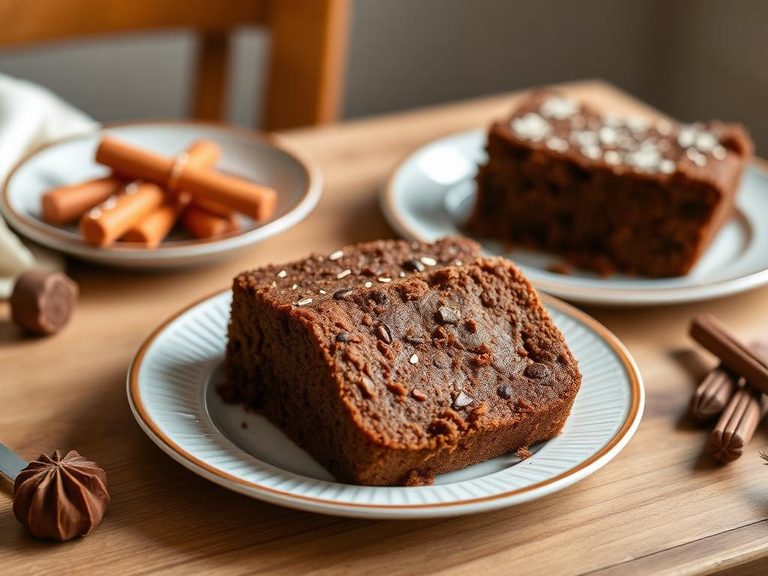
Gingerbread is a spiced cake or cookie, typically made with ginger, molasses, cinnamon, cloves, and nutmeg, and often sweetened with honey or brown sugar. It can range from a soft, cake-like loaf to a crisp, decorative cookie, and is a staple of holiday baking in many Western countries. Originating in medieval Europe, it became particularly popular in Germany, the Netherlands, and England.
🍳 View the full Gingerbread recipe →
🍽️ Nutrition at a glance
Gingerbread is generally high in carbohydrates and sugar, with moderate fat from butter or oil, and provides minimal protein. A typical serving (one slice or a few cookies) can range from 150 to 300 calories, offering small amounts of iron and manganese from the spices and molasses.
Nutrition breakdown
| Calories | 190 kcal |
| Protein | 2.5 g |
| Carbs | 32 g |
| Fat | 6 g |
| Fiber | 0.5 g |
| Sugar | 18 g |
| Sodium | 180 mg |
| Iron | 1.8 mg |
| Calcium | 30 mg |
| Potassium | 80 mg |
| Magnesium | 10 mg |
| Phosphorus | 35 mg |
| Vitamin B1 (Thiamine) | 0.1 mg |
| Vitamin B2 (Riboflavin) | 0.05 mg |
| Niacin (Vitamin B3) | 1.0 mg |
Per 1 piece (60 g) · estimated, varies by recipe
💡 What's interesting
Culturally, gingerbread has a long history as a festive treat, often associated with Christmas markets and decorative gingerbread houses, symbolizing warmth and celebration. Nutritionally, the use of molasses and spices like ginger and cinnamon adds antioxidants and may offer mild digestive benefits, though it remains a sweet indulgence.
🍽️ Related dishes







AI estimate may be inaccurate · Terms