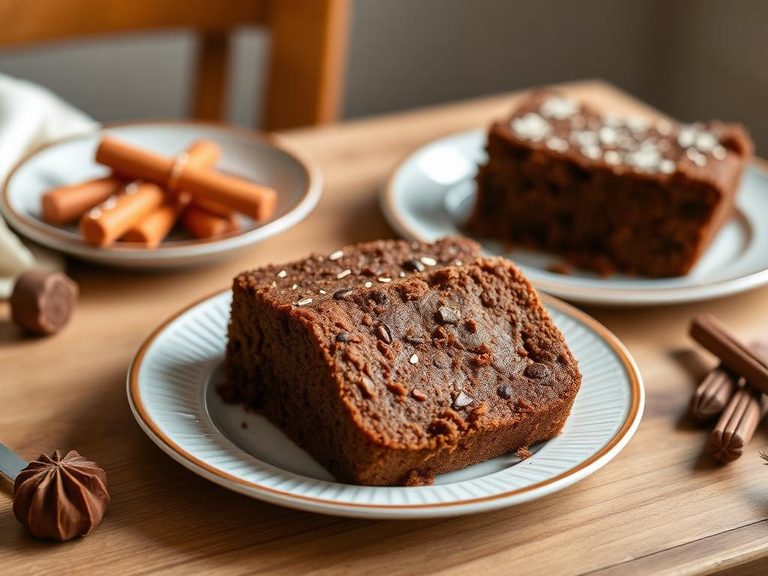
Gingerbread cookies

Gingerbread cookies are a festive, spiced biscuit known for their warm, aromatic flavor and often decorative icing. They typically feature a base of flour, sweeteners like molasses or brown sugar, butter, and a blend of spices such as ginger, cinnamon, and cloves. Originating in medieval Europe, they became a holiday staple, particularly associated with Christmas traditions in Germany and the United States.
🍽️ Nutrition at a glance
These cookies are high in carbohydrates and fat, with minimal protein. A typical serving (one medium cookie) provides roughly 100-150 calories, along with small amounts of iron and calcium from ingredients like molasses and fortified flour.
Nutrition breakdown
| Calories | 250 kcal |
| Protein | 3 g |
| Carbs | 40 g |
| Fat | 9 g |
| Fiber | 1 g |
| Sugar | 20 g |
| Sodium | 180 mg |
| Iron | 2.5 mg |
| Calcium | 30 mg |
| Potassium | 80 mg |
| Magnesium | 15 mg |
| Phosphorus | 40 mg |
| Thiamin (B1) | 0.1 mg |
| Niacin (B3) | 1.5 mg |
| Manganese | 0.5 mg |
Per 3 cookies (about 60 g) · estimated, varies by recipe
💡 What's interesting
Gingerbread has a rich cultural history, evolving from a medicinal spice cake in ancient Greece to the whimsical, decorated cookies popularized by the Brothers Grimm fairy tale 'Hansel and Gretel.' Nutritionally, the use of molasses not only adds a deep, complex sweetness but also contributes trace minerals like potassium and magnesium.