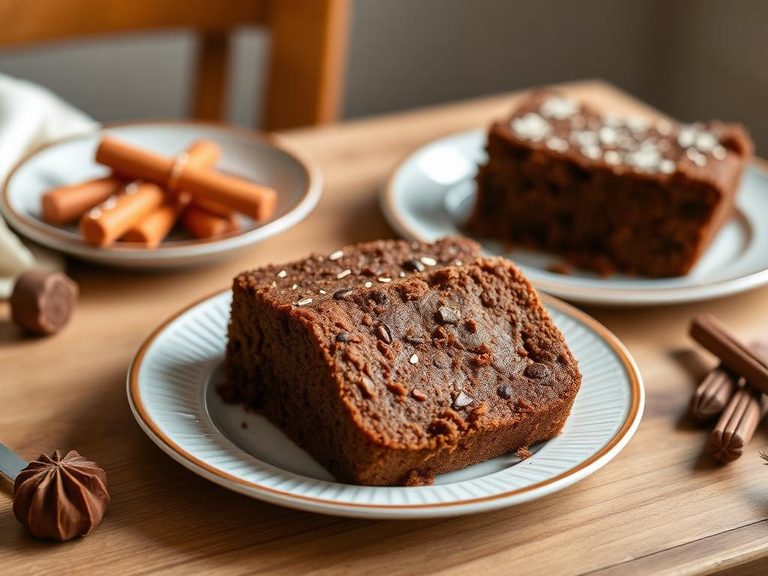
Gingerbread Men

Gingerbread men are a festive, cookie-like baked treat shaped like a person, traditionally made from a dough of flour, ginger, molasses, cinnamon, and butter. Originating from 16th-century England, they became a popular holiday tradition, especially in Europe and North America, often decorated with icing to create faces and buttons.
🍽️ Nutrition at a glance
These cookies are typically high in carbohydrates and sugars, with moderate fat content from butter, and provide minimal protein. A single gingerbread man cookie (about 30-40 grams) generally contains around 120-150 calories, along with small amounts of iron and calcium from the molasses and flour.
Nutrition breakdown
| Calories | 240 kcal |
| Protein | 3 g |
| Carbs | 40 g |
| Fat | 8 g |
| Fiber | 1 g |
| Sugar | 22 g |
| Sodium | 180 mg |
| Iron | 2.5 mg |
| Calcium | 30 mg |
| Potassium | 80 mg |
| Magnesium | 10 mg |
| Phosphorus | 40 mg |
| Niacin (B3) | 1.5 mg |
| Folate | 25 mcg |
| Manganese | 0.4 mg |
Per 2 cookies (approx. 60 g) · estimated, varies by recipe
💡 What's interesting
Culturally, gingerbread men are famously linked to the court of Elizabeth I of England, who had them made to resemble visiting dignitaries. Nutritionally, the use of molasses not only adds a distinct flavor but also contributes minerals like iron and potassium, making them a slightly more nutrient-dense option compared to plain sugar cookies.