Gingerbread cake
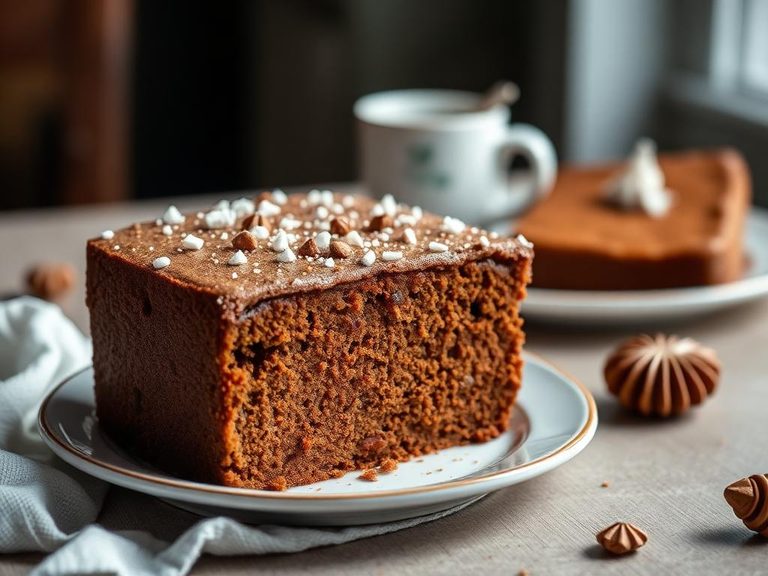
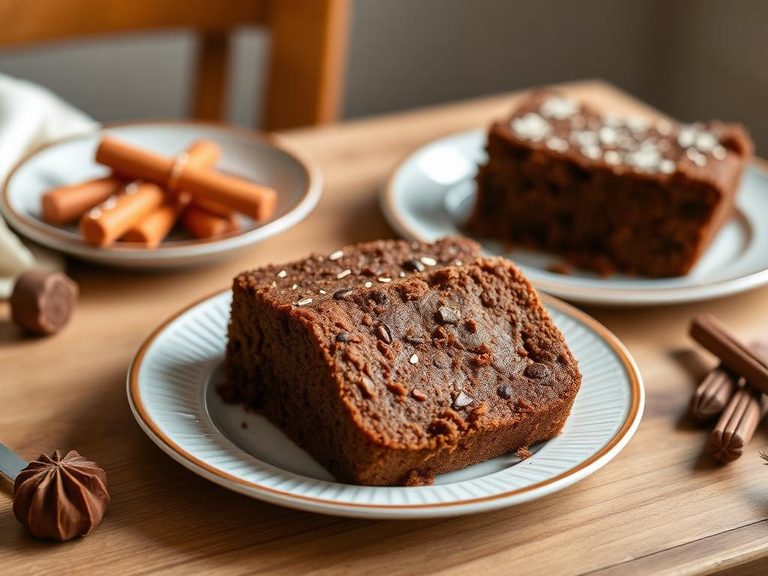
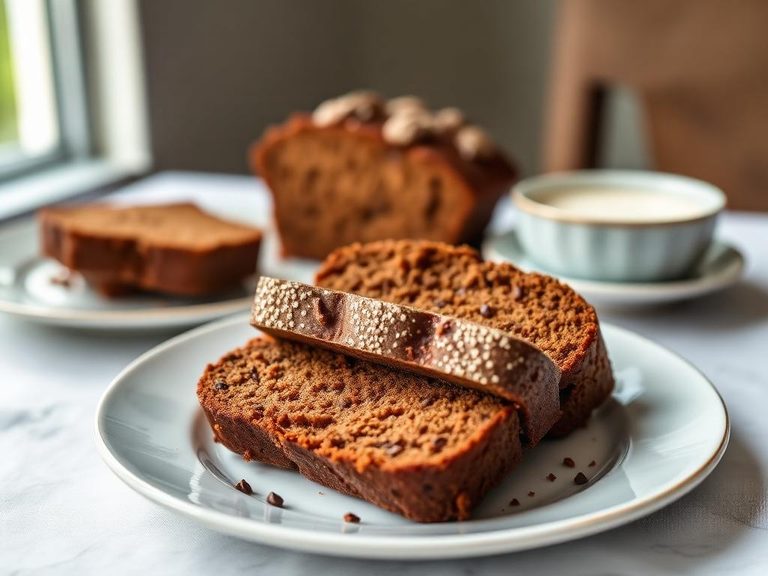
Gingerbread cake is a moist, spiced cake with a deep brown color, known for its warm flavor from ginger, cinnamon, and molasses. It's a classic dessert, often associated with the holiday season, and is typically made with flour, sugar, butter, eggs, and a blend of spices. While its origins trace back to medieval Europe, it's now a beloved treat worldwide, especially popular in Germany, the UK, and North America.
🍽️ Nutrition at a glance
This is a high-carbohydrate and high-fat dessert, providing a quick source of energy primarily from sugars and refined flour. A typical slice offers a modest amount of iron from molasses and some B vitamins, with a calorie range of approximately 300-400 kcal per serving.
Nutrition breakdown
| Calories | 360 kcal |
| Protein | 4 g |
| Carbs | 55 g |
| Fat | 15 g |
| Fiber | 1.5 g |
| Sugar | 35 g |
| Sodium | 280 mg |
| Iron | 2.5 mg |
| Potassium | 180 mg |
| Calcium | 45 mg |
| Magnesium | 20 mg |
| Manganese | 0.4 mg |
| Phosphorus | 60 mg |
| Vitamin B1 (Thiamine) | 0.15 mg |
| Vitamin B2 (Riboflavin) | 0.08 mg |
Per 1 slice (120 g) · estimated, varies by recipe
💡 What's interesting
Culturally, gingerbread has a rich history, evolving from a hard, spicy biscuit to the soft cake we know today, and is famously linked to the tale of the Gingerbread Man. Nutritionally, the use of molasses not only gives it a distinctive flavor but also contributes minerals like iron and potassium, making it slightly more nutrient-dense than a plain vanilla cake.