

Shortening household soybean (hydrogenated) and palm
Whole food · Fats and Oils

Photo: Wikipedia
This is a solid, shelf-stable vegetable fat blend, hydrogenated for a firm, short texture ideal for flaky pastries and crisp fried foods. It has a neutral, clean taste that doesn't impart flavor, allowing it to act as a pure textural agent. Nutritionally, it is 100% fat, providing a dense energy source with zero protein, carbohydrates, or fiber.
Calorie split: 0% protein · 0% carbs · 100% fat
↓ Full nutrition💚 Why it's loved
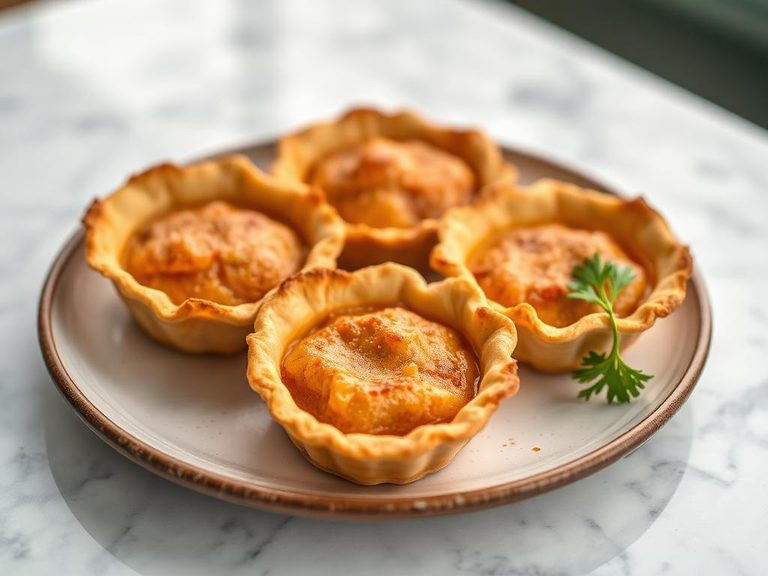
Bakers and chefs love it for its unparalleled ability to create tender, flaky pie crusts and biscuits, where solid fat is cut into flour. Its stability and neutral profile make it a reliable workhorse for high-volume frying and commercial baking.
⚠️ Watch-outs & how to enjoy it better
As a highly processed, hydrogenated fat, it may contain trans fats, which are linked to adverse cardiovascular effects. It is also a calorie-dense ingredient with no micronutrient value. To mitigate, use it sparingly for specific textural results rather than as a primary dietary fat, and balance meals with lean proteins, vegetables, and whole grains.
Key benefits
- Provides a very high smoke point for deep-frying
- Creates exceptionally flaky, layered pastry doughs
- Offers long shelf stability at room temperature
- Delivers a neutral flavor that won't compete with other ingredients
🍽️ Popular dishes
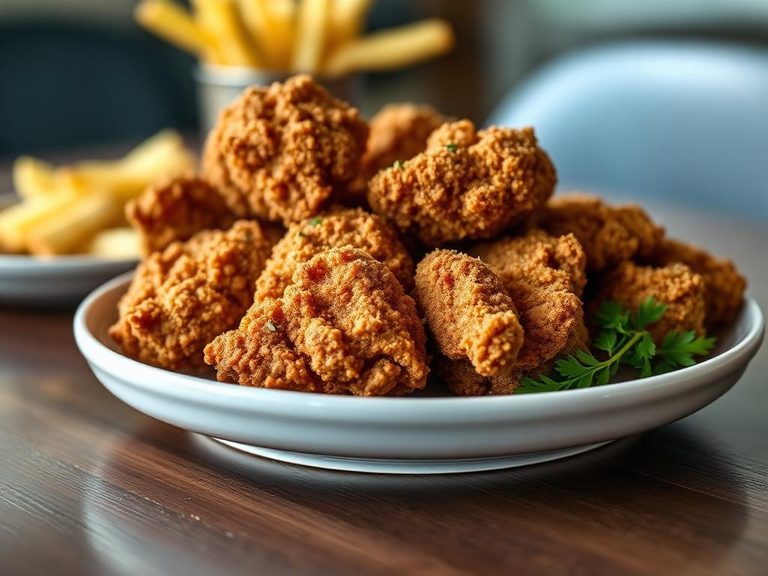
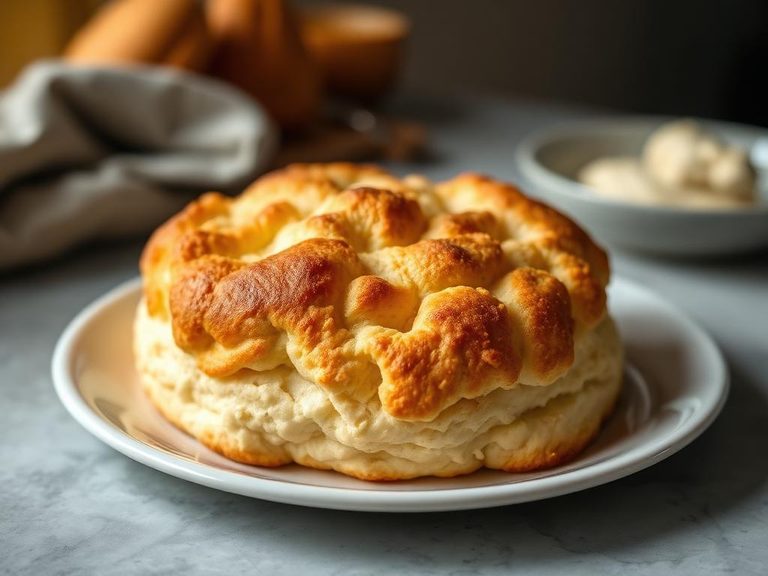
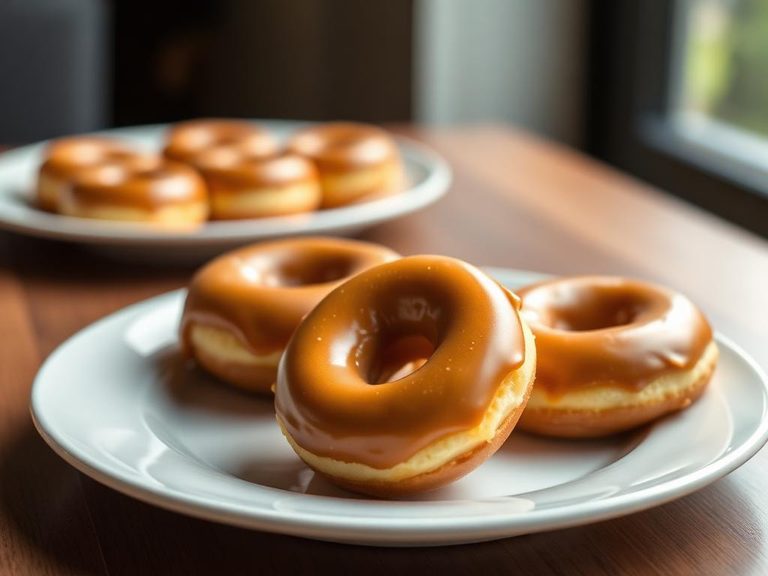
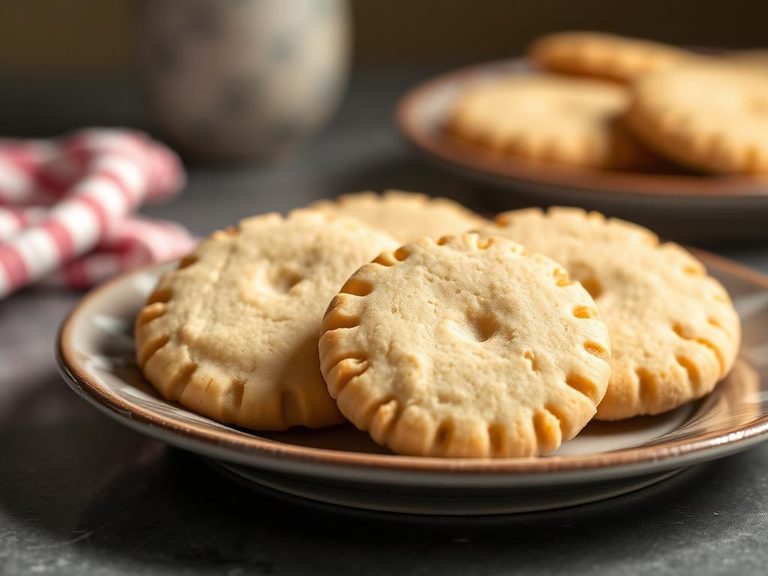
🌍 Where it's eaten
💡 Did you know?
The term 'shortening' comes from its ability to 'shorten' gluten strands in flour, which is what gives pastries their tender, crumbly texture instead of a chewy one.
Full nutrition (USDA data · scales with serving)
| Water | 0.00 g |
| Energy | 884 kcal |
| Energy | 3699 kj |
| Protein | 0.00 g |
| Total lipid (fat) | 100 g |
| Ash | 0.00 g |
| Carbohydrate, by difference | 0.00 g |
| Fiber, total dietary | 0.00 g |
| Calcium, Ca | 0.00 mg |
| Iron, Fe | 0.00 mg |
| Magnesium, Mg | 0.00 mg |
| Phosphorus, P | 0.00 mg |
| Potassium, K | 0.00 mg |
| Sodium, Na | 0.00 mg |
| Zinc, Zn | 0.00 mg |
| Copper, Cu | 0.00 mg |
| Manganese, Mn | 0.00 mg |
| Selenium, Se | 0.00 ug |
| Vitamin C, total ascorbic acid | 0.00 mg |
| Thiamin | 0.00 mg |
| Riboflavin | 0.00 mg |
| Niacin | 0.00 mg |
| Pantothenic acid | 0.00 mg |
| Vitamin B-6 | 0.00 mg |
| Folate, total | 0.00 ug |
| Folic acid | 0.00 ug |
| Folate, food | 0.00 ug |
| Folate, DFE | 0.00 ug |
| Vitamin B-12 | 0.00 ug |
| Vitamin A, RAE | 0.00 ug |
| Retinol | 0.00 ug |
| Vitamin A, IU | 0.00 iu |
Fat & fatty acid profile (per 100g)
| Fatty acids, total saturated | 25.0 g |
| SFA 4:0 | 0.00 g |
| SFA 6:0 | 0.00 g |
| SFA 8:0 | 0.10 g |
| SFA 10:0 | 0.10 g |
| SFA 12:0 | 0.40 g |
| SFA 14:0 | 0.24 g |
| SFA 16:0 | 14.0 g |
| SFA 18:0 | 10.7 g |
| Fatty acids, total monounsaturated | 42.5 g |
| MUFA 16:1 | 0.10 g |
| MUFA 18:1 | 42.2 g |
| MUFA 20:1 | 0.19 g |
| MUFA 22:1 | 0.00 g |
| Fatty acids, total polyunsaturated | 26.6 g |
| PUFA 18:2 | 25.2 g |
| PUFA 18:3 | 1.5 g |
| PUFA 18:4 | 0.00 g |
| PUFA 20:4 | 0.00 g |
| PUFA 20:5 n-3 (EPA) | 0.00 g |
| PUFA 22:5 n-3 (DPA) | 0.00 g |
| PUFA 22:6 n-3 (DHA) | 0.00 g |
| Cholesterol | 0.00 mg |
| Phytosterols | 148 mg |
Amino acid profile (per 100g)
| Tryptophan | 0.00 g |
| Threonine | 0.00 g |
| Isoleucine | 0.00 g |
| Leucine | 0.00 g |
| Lysine | 0.00 g |
| Methionine | 0.00 g |
| Cystine | 0.00 g |
| Phenylalanine | 0.00 g |
| Tyrosine | 0.00 g |
| Valine | 0.00 g |
| Arginine | 0.00 g |
| Histidine | 0.00 g |
| Alanine | 0.00 g |
| Aspartic acid | 0.00 g |
| Glutamic acid | 0.00 g |
| Glycine | 0.00 g |
| Proline | 0.00 g |
| Serine | 0.00 g |
FAQ
What's the difference between shortening and lard?
Shortening is 100% hydrogenated vegetable oil (like soybean and palm), making it vegetarian and solid at room temperature. Lard is rendered pork fat, which has a distinct flavor and a different fat composition. Shortening is preferred for a neutral taste and very high flakiness.
Can I substitute butter for shortening?
Yes, but with changes. Butter contains water and milk solids, which affect texture and flavor. For a 1:1 swap, use butter for a richer taste, but expect a slightly less flaky, more tender result. For precise baking, a butter/shortening blend is often used.
Is this product vegan?
Generally, yes. Shortening made from soybean and palm oil is plant-derived and contains no animal products. However, always check the label for any added ingredients or processing aids that might not be vegan.
Nutrient density (calculated · NRF9.3)
Nutrient Rich Foods index: beneficial nutrients (protein, fiber, vitamins, minerals) minus saturated fat, added sugar & sodium, per 100 kcal.
NRF9.3 index — Fulgoni, Keast & Drewnowski, 2009. Computed from USDA nutrients.
Weight-loss friendliness (composite index)
Energy density 8.84 kcal/g · 0% calories from protein · 0.0 g fiber · 0.0 g sugar per 100 g.
Composite of energy density (Rolls et al., 1999), protein & fiber satiety, minus sugar. A calculated heuristic — ranks satiety-per-calorie, not a clinical measure.
Dietary load (calculated from USDA values)
Potential renal acid load. Positive = acid-forming, negative = alkaline-forming.
Sodium:potassium per WHO potassium guidance. Computed from USDA nutrients.