Flaky biscuit dough
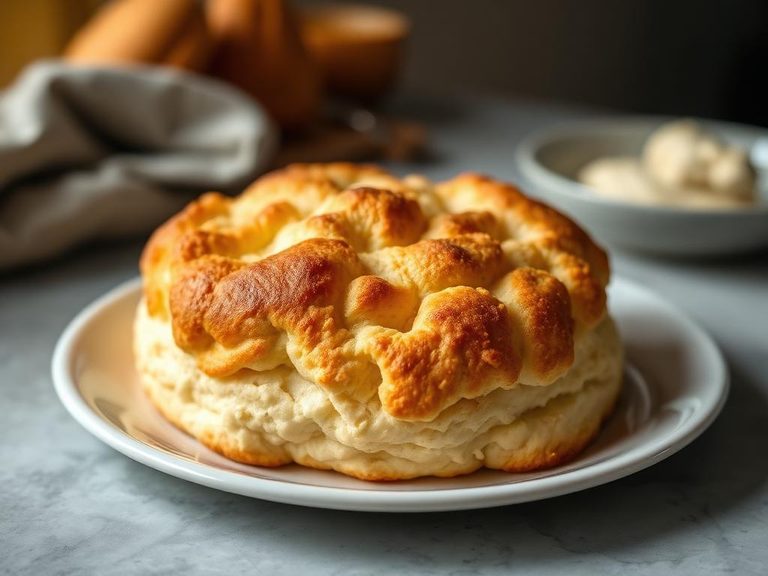
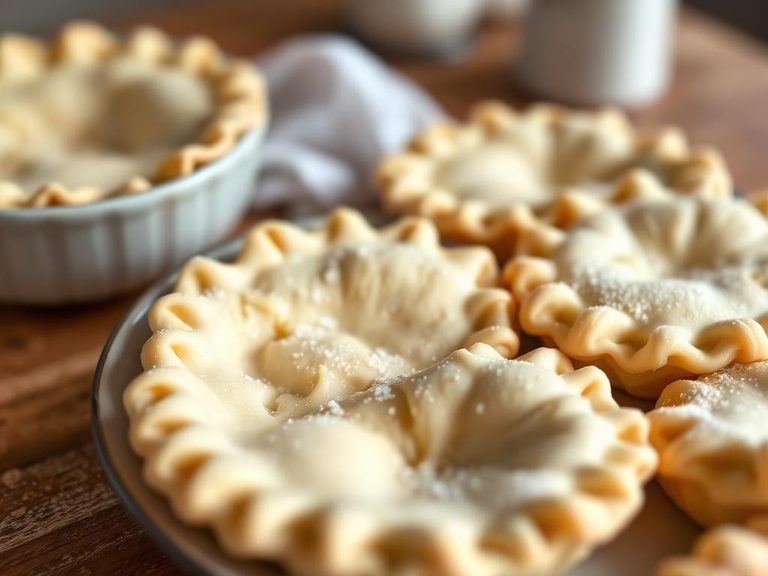
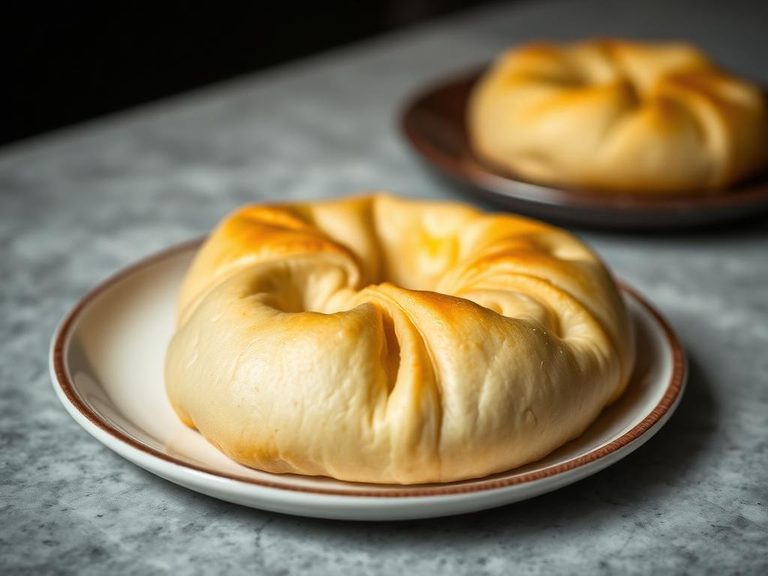
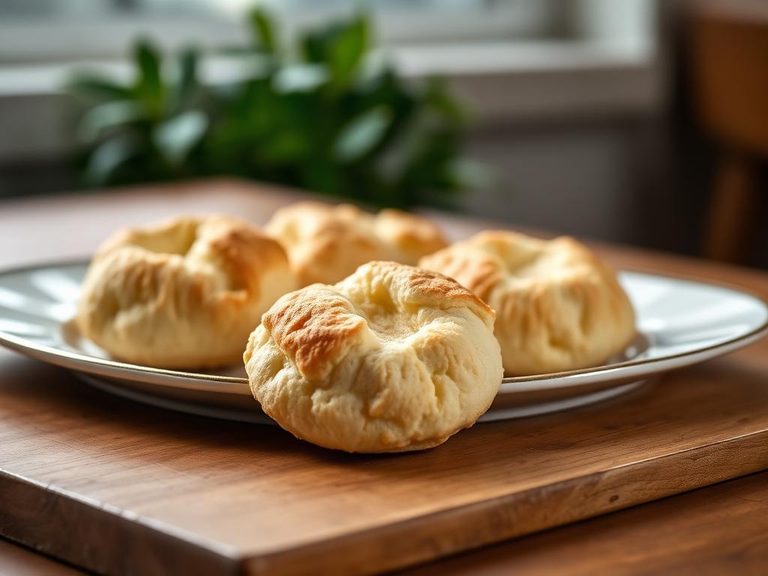
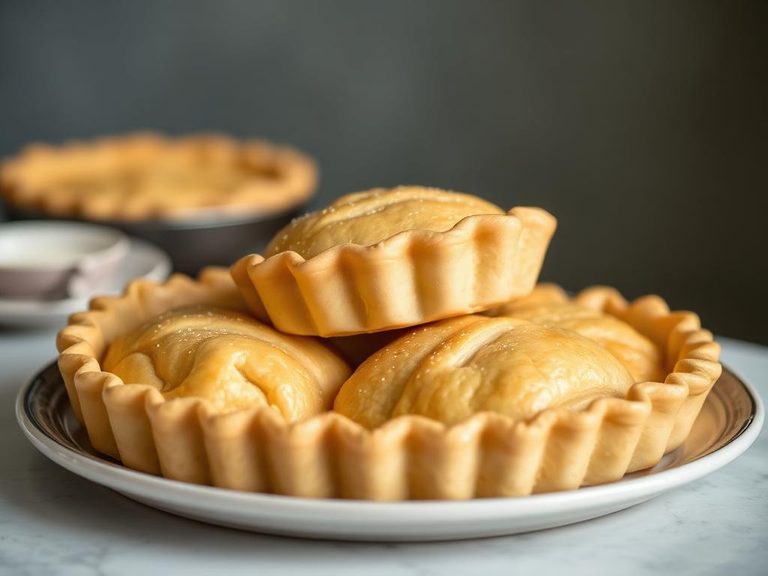
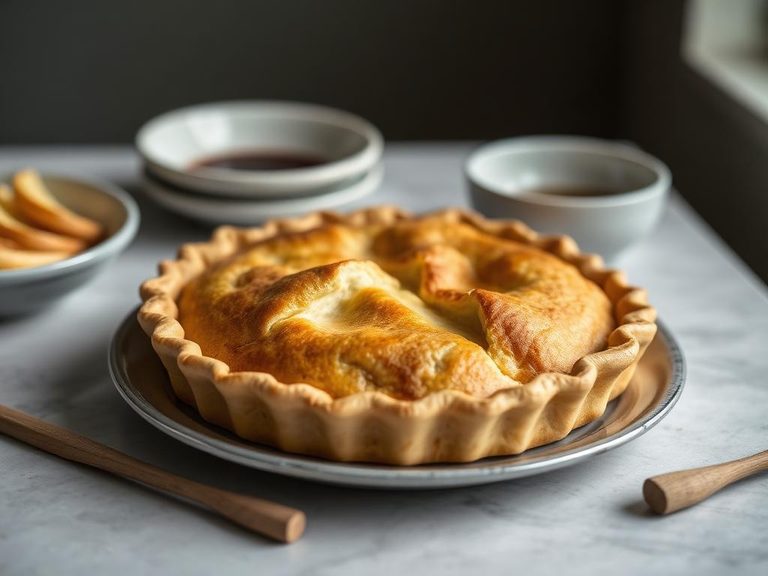
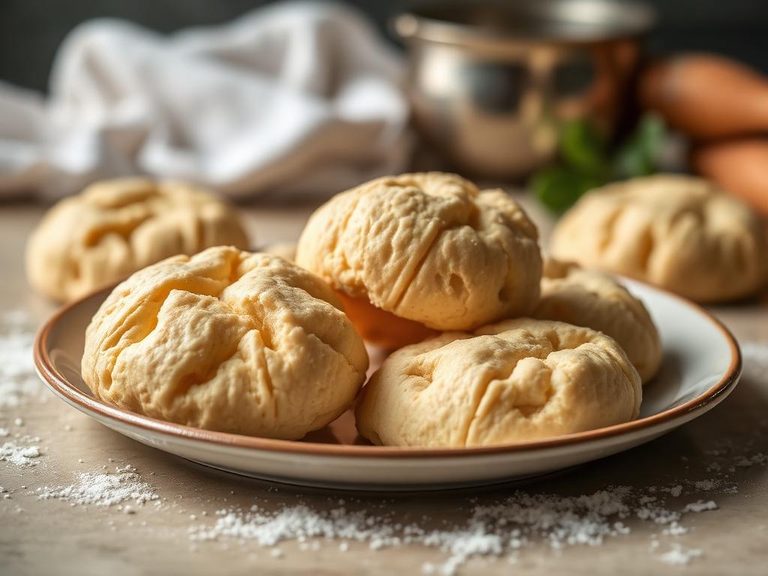
Flaky biscuit dough is a type of quick bread dough known for its light, layered, and tender texture. It is typically made from flour, cold butter or shortening, a leavening agent like baking powder, and a liquid such as milk or buttermilk. This style of biscuit is a staple in American cuisine, particularly associated with the Southern United States.
🍽️ Nutrition at a glance
This dish is high in carbohydrates and fat, with the fat content being key to achieving its signature flakiness. It provides a good source of energy and some calcium from the dairy, with a typical biscuit containing roughly 250-300 calories.
Nutrition breakdown
| Calories | 270 kcal |
| Protein | 4 g |
| Carbs | 30 g |
| Fat | 14 g |
| Fiber | 1 g |
| Sugar | 2 g |
| Sodium | 450 mg |
| Calcium | 80 mg |
| Iron | 1.5 mg |
| Potassium | 50 mg |
| Thiamin (B1) | 0.2 mg |
| Niacin (B3) | 1.8 mg |
| Folate | 40 mcg |
| Phosphorus | 80 mg |
| Selenium | 6 mcg |
Per 1 medium biscuit (60 g) · estimated, varies by recipe
💡 What's interesting
The unique flaky texture is achieved through a technique called 'lamination,' where cold fat is cut into the dough, creating steam pockets during baking that separate the layers. Nutritionally, it's a classic example of how a simple preparation can create a complex, satisfying texture.