Flaky pastry for empanadas
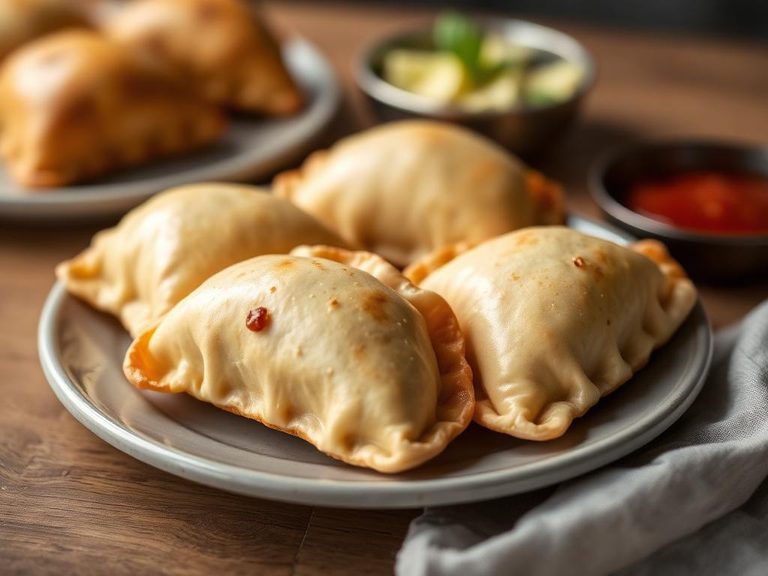
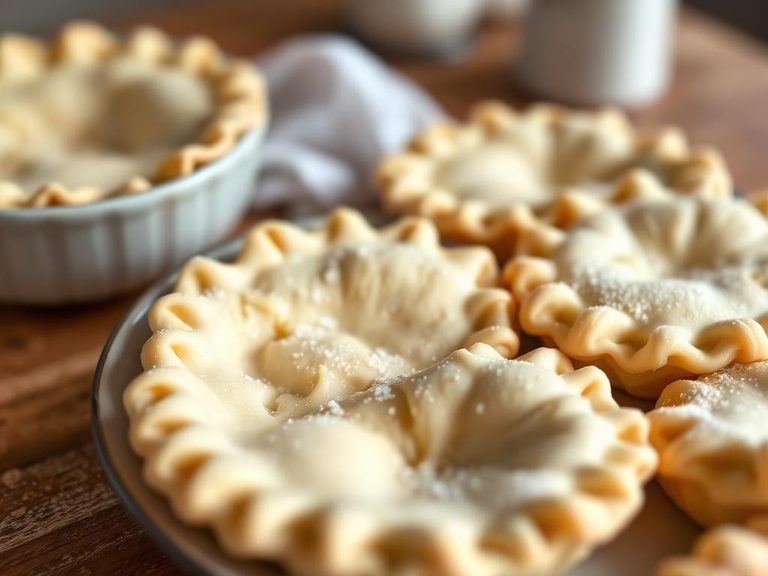
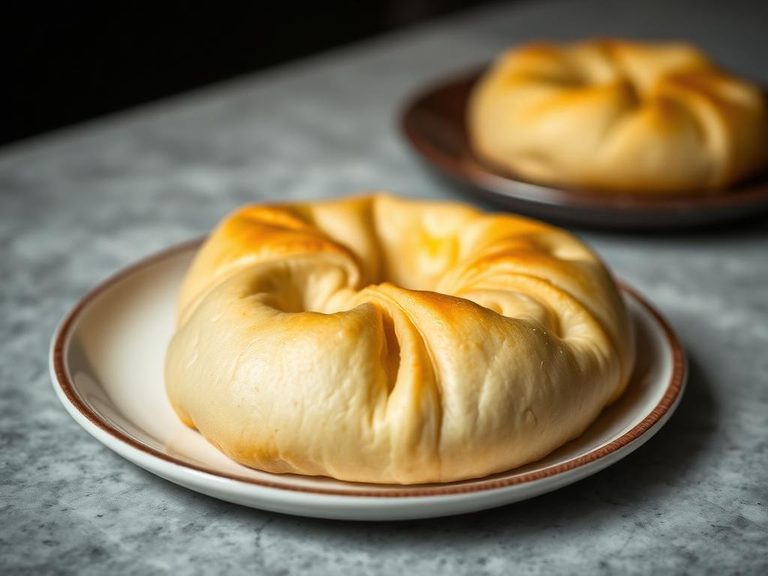
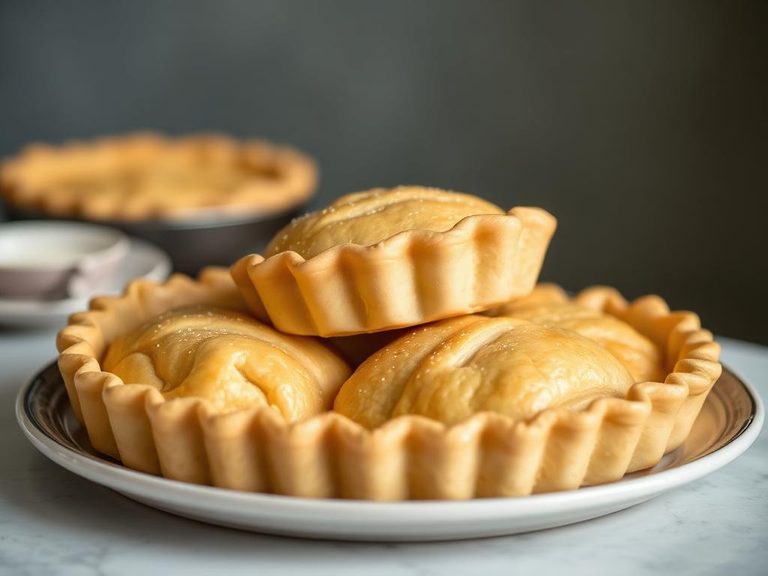
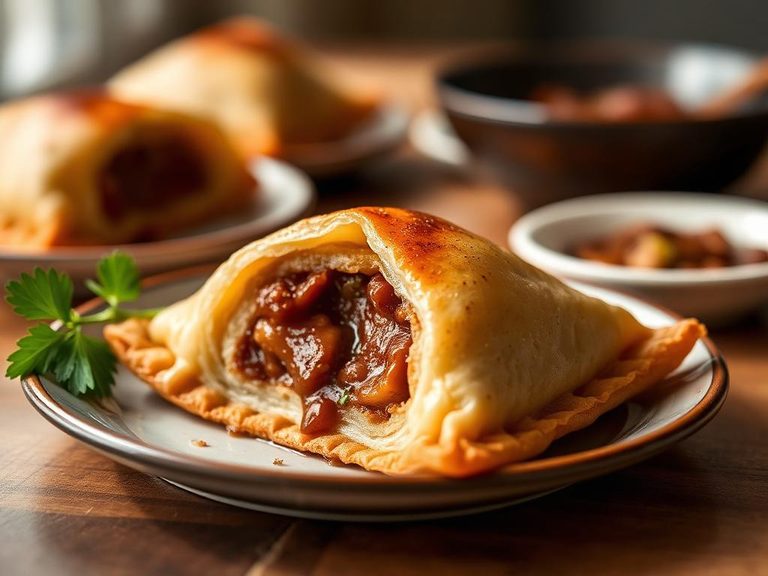
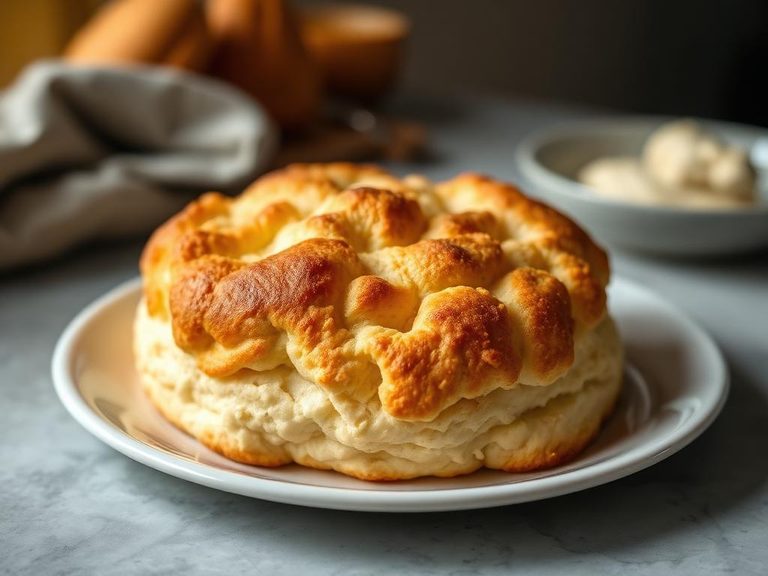
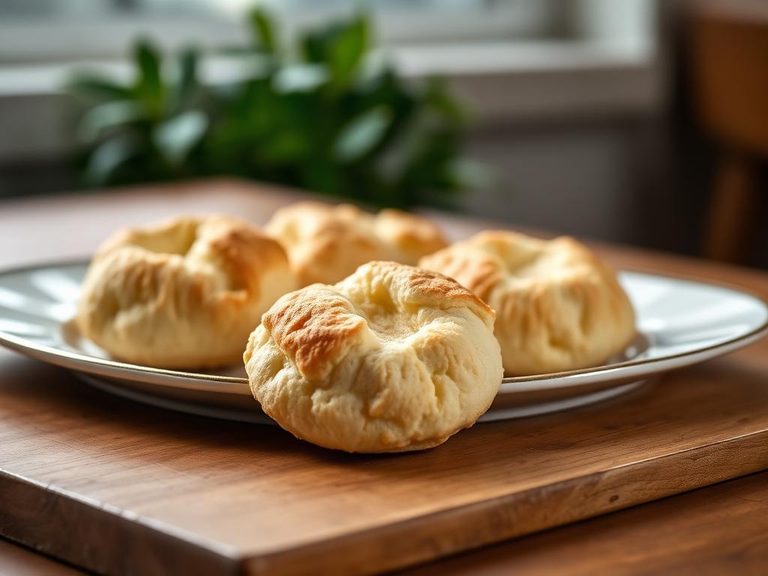
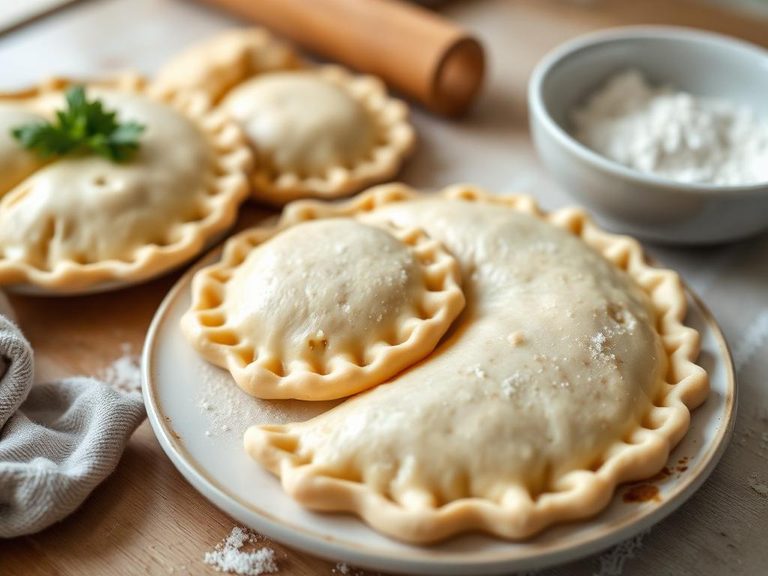
Flaky pastry for empanadas is a tender, layered dough used to encase savory fillings in Latin American and Spanish cuisine. Its signature texture comes from cutting cold fat (like butter or lard) into flour, creating distinct flakes when baked or fried. This versatile pastry forms the foundation for countless regional empanada variations.
🍽️ Nutrition at a glance
This pastry is primarily a source of carbohydrates and fat, with minimal protein. A typical serving provides energy from refined flour and fats, along with small amounts of iron and B vitamins from the enriched flour.
Nutrition breakdown
| Calories | 220 kcal |
| Protein | 3 g |
| Carbs | 25 g |
| Fat | 12 g |
| Fiber | 1 g |
| Sugar | 1 g |
| Sodium | 180 mg |
| Iron | 1.8 mg |
| Thiamin (B1) | 0.2 mg |
| Niacin (B3) | 2 mg |
| Folate | 40 mcg |
| Selenium | 8 mcg |
| Phosphorus | 45 mg |
| Manganese | 0.3 mg |
| Sodium | 180 mg |
Per 1 empanada dough disc (about 60 g) · estimated, varies by recipe
💡 What's interesting
The flakiness is achieved through a technique similar to making puff pastry, where layers of fat create steam pockets during cooking. This dough is often adapted regionally—some versions use vinegar or alcohol to inhibit gluten development for extra tenderness.