

Pumpkin, flowers, cooked, boiled, drained, with salt
Whole food · Vegetables and Vegetable Products
Boiled pumpkin flowers are a delicate, edible blossom with a tender, slightly chewy texture and a mild, subtly sweet, vegetal flavor. Their vibrant orange-yellow hue makes them a visually stunning addition to any plate, while their low-calorie profile (just 15 kcal per 100g) offers a nutrient-dense way to add bulk and fiber to a meal.
Calorie split: 24% protein · 71% carbs · 4% fat
↓ Full nutrition💚 Why it's loved
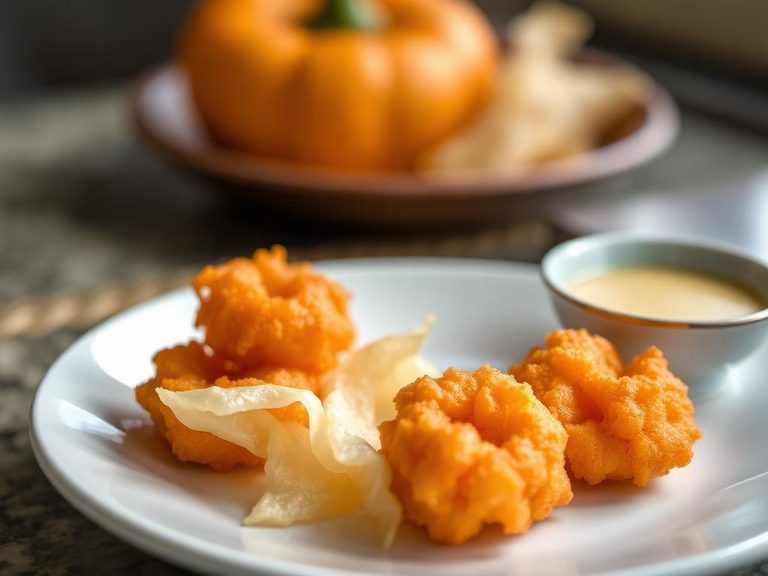
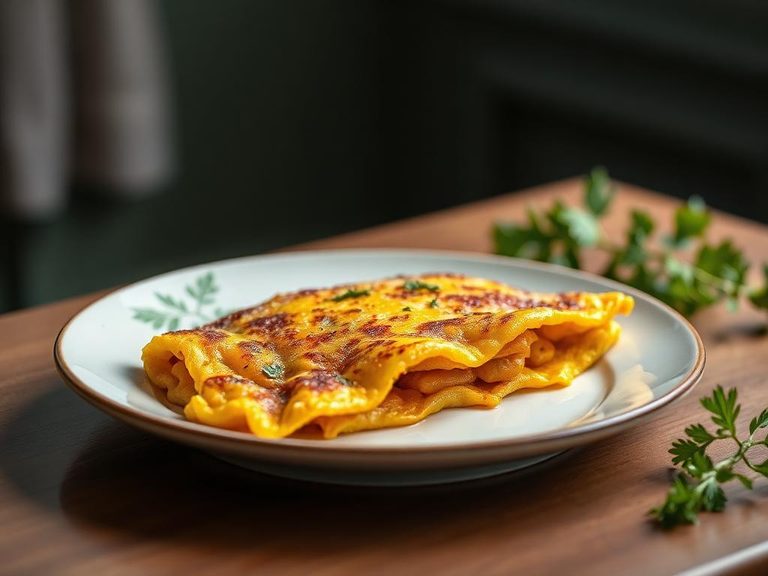
People love pumpkin flowers for their unique, elegant appearance and their ability to absorb the flavors of the dishes they're cooked in, whether fried, stuffed, or added to soups. They are a celebrated seasonal ingredient in many cuisines, symbolizing the bounty of the harvest.
⚠️ Watch-outs & how to enjoy it better
The primary caution is the added sodium from salting during preparation (2.4g sugar is natural, not added salt). To counteract this, rinse the flowers briefly before cooking or opt for low-sodium preparation methods. Individuals monitoring their blood sugar should pair them with protein or healthy fats to moderate the impact of the natural sugars.
Key benefits
- Excellent source of dietary fiber (0.9g per 100g) for digestive health.
- Very low in calories and fat, making it ideal for weight management.
- Provides a modest amount of plant-based protein (1.09g per 100g).
- Contains natural sugars for a quick, gentle energy boost.
- Rich in antioxidants like beta-carotene, which gives them their color.
🍽️ Popular dishes
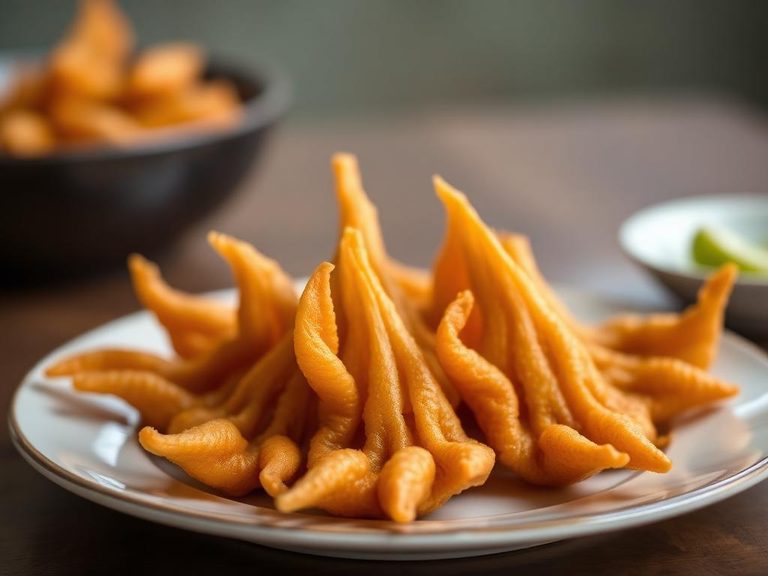
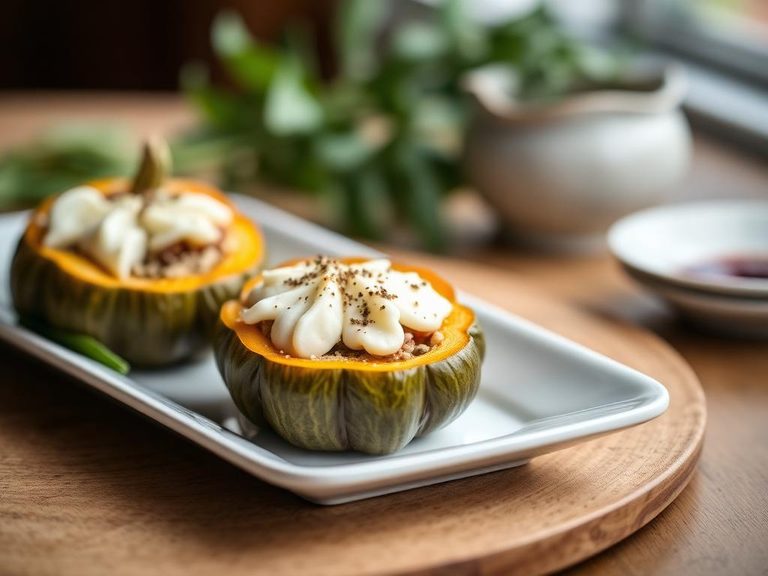
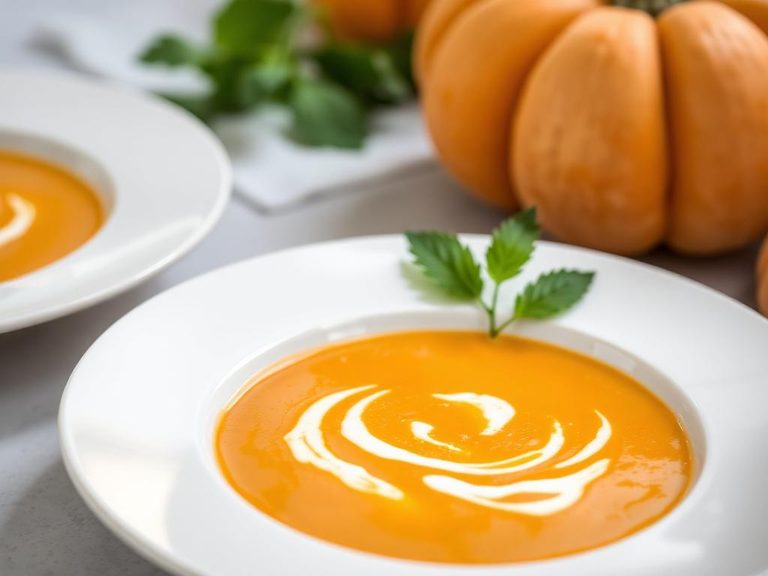
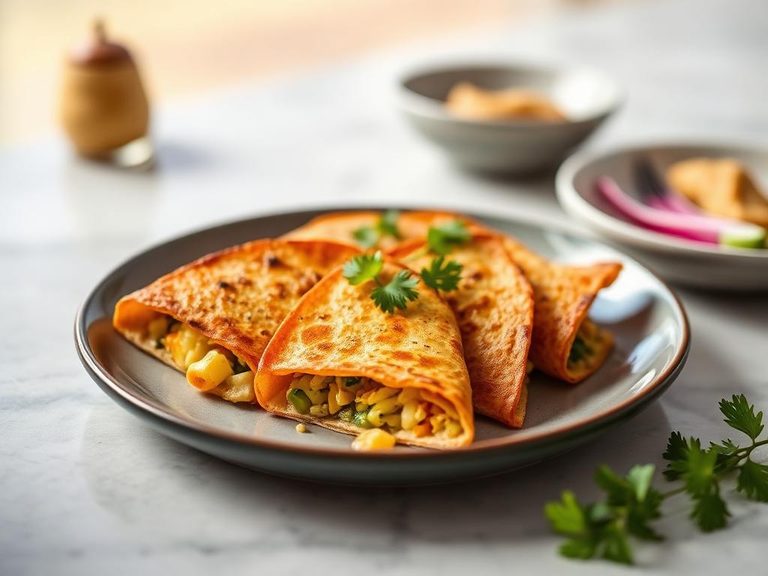
🌍 Where it's eaten
💡 Did you know?
Pumpkin flowers are monoecious, meaning separate male and female flowers grow on the same plant; the male flowers are typically harvested for eating, as the female flowers develop into the pumpkin fruit.
Full nutrition (USDA data · scales with serving)
| Water | 95.2 g |
| Energy | 15.0 kcal |
| Energy | 61.0 kj |
| Protein | 1.1 g |
| Total lipid (fat) | 0.08 g |
| Ash | 0.45 g |
| Carbohydrate, by difference | 3.2 g |
| Fiber, total dietary | 0.90 g |
| Total Sugars | 2.4 g |
| Calcium, Ca | 37.0 mg |
| Iron, Fe | 0.88 mg |
| Magnesium, Mg | 25.0 mg |
| Phosphorus, P | 34.0 mg |
| Potassium, K | 106 mg |
| Sodium, Na | 242 mg |
| Zinc, Zn | 0.10 mg |
| Copper, Cu | 0.10 mg |
| Selenium, Se | 0.90 ug |
| Vitamin C, total ascorbic acid | 5.0 mg |
| Thiamin | 0.02 mg |
| Riboflavin | 0.03 mg |
| Niacin | 0.31 mg |
| Vitamin B-6 | 0.05 mg |
| Folate, total | 41.0 ug |
| Folic acid | 0.00 ug |
| Folate, food | 41.0 ug |
| Folate, DFE | 41.0 ug |
| Choline, total | 13.4 mg |
| Vitamin B-12 | 0.00 ug |
| Vitamin B-12, added | 0.00 ug |
| Vitamin A, RAE | 87.0 ug |
| Retinol | 0.00 ug |
| Carotene, beta | 1040 ug |
| Carotene, alpha | 0.00 ug |
| Cryptoxanthin, beta | 0.00 ug |
| Vitamin A, IU | 1734 iu |
| Lycopene | 0.00 ug |
| Lutein + zeaxanthin | 0.00 ug |
| Vitamin E (alpha-tocopherol) | 0.04 mg |
| Vitamin E, added | 0.00 mg |
| Vitamin D (D2 + D3), International Units | 0.00 iu |
| Vitamin D (D2 + D3) | 0.00 ug |
| Vitamin K (phylloquinone) | 0.00 ug |
| Alcohol, ethyl | 0.00 g |
| Caffeine | 0.00 mg |
| Theobromine | 0.00 mg |
Fat & fatty acid profile (per 100g)
| Fatty acids, total saturated | 0.04 g |
| SFA 12:0 | 0.00 g |
| SFA 14:0 | 0.01 g |
| SFA 16:0 | 0.03 g |
| SFA 18:0 | 0.00 g |
| Fatty acids, total monounsaturated | 0.01 g |
| MUFA 16:1 | 0.01 g |
| MUFA 18:1 | 0.01 g |
| Fatty acids, total polyunsaturated | 0.00 g |
| PUFA 18:2 | 0.00 g |
| PUFA 18:3 | 0.00 g |
| Fatty acids, total trans | 0.00 g |
| Cholesterol | 0.00 mg |
Amino acid profile (per 100g)
Estimated from Pumpkin, raw — USDA does not publish this profile for Pumpkin.
| Tryptophan | 0.01 g |
| Threonine | 0.03 g |
| Isoleucine | 0.03 g |
| Leucine | 0.05 g |
| Lysine | 0.05 g |
| Methionine | 0.01 g |
| Cystine | 0.00 g |
| Phenylalanine | 0.03 g |
| Tyrosine | 0.04 g |
| Valine | 0.04 g |
| Arginine | 0.05 g |
| Histidine | 0.02 g |
| Alanine | 0.03 g |
| Aspartic acid | 0.10 g |
| Glutamic acid | 0.18 g |
| Glycine | 0.03 g |
| Proline | 0.03 g |
| Serine | 0.04 g |
FAQ
Are all pumpkin flowers edible?
Yes, the flowers from all varieties of squash and pumpkin (genus Cucurbita) are edible. However, they should be sourced from plants not treated with pesticides.
How do I prepare pumpkin flowers for cooking?
Gently rinse them, pat dry, and carefully remove the stem, pistil (the central, sticky part in the female flower), and the small, leaf-like sepals at the base, as these can be bitter.
What's the best way to store fresh pumpkin flowers?
They are highly perishable. Use them the same day you pick or buy them. If needed, store them loosely in a single layer on a paper towel in the refrigerator for up to 24 hours.
Nutrient density (calculated · NRF9.3)
Nutrient Rich Foods index: beneficial nutrients (protein, fiber, vitamins, minerals) minus saturated fat, added sugar & sodium, per 100 kcal.
NRF9.3 index — Fulgoni, Keast & Drewnowski, 2009. Computed from USDA nutrients.
Weight-loss friendliness (composite index)
Energy density 0.15 kcal/g · 29% calories from protein · 0.9 g fiber · 2.4 g sugar per 100 g.
Composite of energy density (Rolls et al., 1999), protein & fiber satiety, minus sugar. A calculated heuristic — ranks satiety-per-calorie, not a clinical measure.
Dietary load (calculated from USDA values)
Potential renal acid load. Positive = acid-forming, negative = alkaline-forming.
Sodium-to-potassium ratio: 2.28 (lower is better — aim for ≤ 1)
Sodium:potassium per WHO potassium guidance. Computed from USDA nutrients.