

Pigeonpeas, immature seeds, cooked, boiled, drained, with salt
Whole food · Vegetables and Vegetable Products

Photo: Wikipedia
These are the tender, bright-green seeds of the pigeonpea plant, boiled until just tender with a pleasant, slightly starchy bite and a mild, nutty flavor. Nutritionally, they are a standout source of plant-based protein and dietary fiber, making them a satisfying and wholesome addition to meals.
Calorie split: 21% protein · 68% carbs · 11% fat
↓ Full nutrition💚 Why it's loved
People love them for their versatile, mild flavor that absorbs spices beautifully, and for being a comforting, protein-rich staple in many home-cooked meals across cultures.
⚠️ Watch-outs & how to enjoy it better
As a legume, they can cause digestive discomfort like gas in some individuals; soaking them well before cooking helps. They are also boiled with salt here, so those monitoring sodium intake should be mindful of portion size and rinse them if possible.
Key benefits
- Excellent source of plant-based protein for muscle maintenance.
- High in dietary fiber to support digestive health and satiety.
- Provides complex carbohydrates for sustained energy release.
- Rich in essential minerals like folate and manganese.
🍽️ Popular dishes
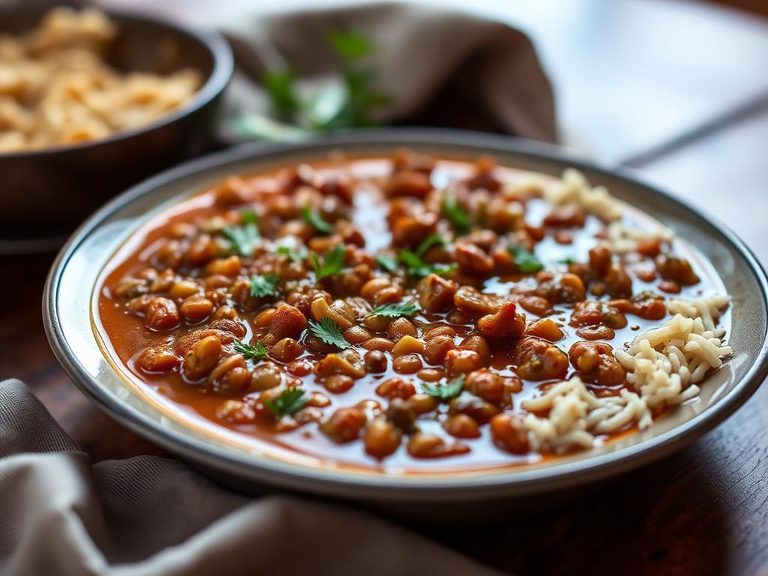
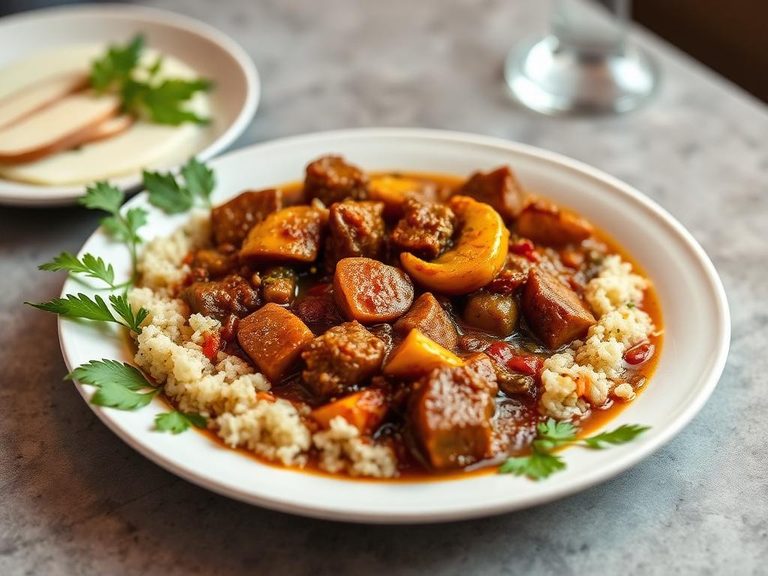
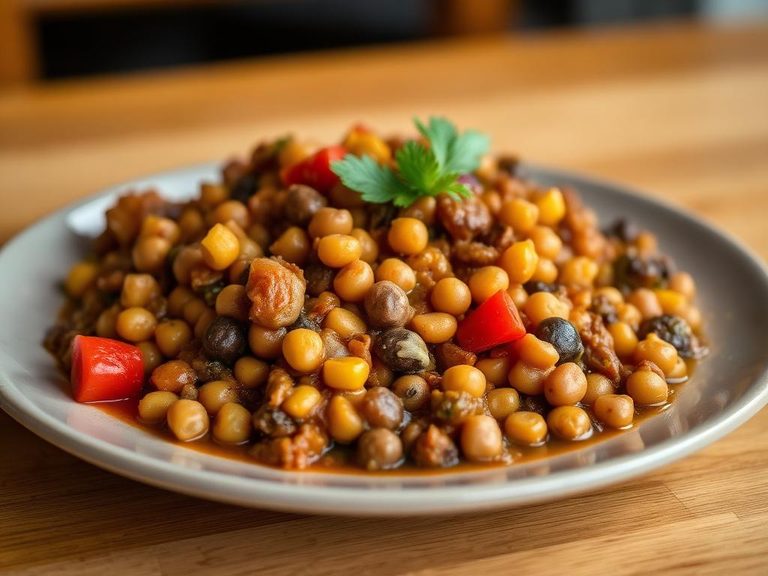
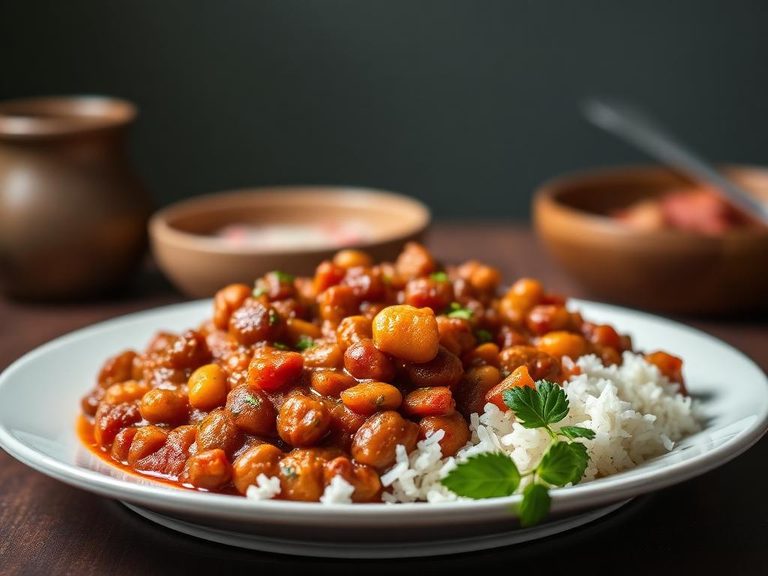
🌍 Where it's eaten
💡 Did you know?
Pigeonpeas are a key ingredient in a traditional Indian drink called 'sattu,' where roasted legume flour is mixed with water or milk for a nutritious, cooling beverage.
Full nutrition (USDA data · scales with serving)
| Water | 71.8 g |
| Energy | 111 kcal |
| Energy | 464 kj |
| Protein | 6.0 g |
| Total lipid (fat) | 1.4 g |
| Ash | 1.4 g |
| Carbohydrate, by difference | 19.5 g |
| Fiber, total dietary | 4.2 g |
| Total Sugars | 2.5 g |
| Calcium, Ca | 41.0 mg |
| Iron, Fe | 1.6 mg |
| Magnesium, Mg | 40.0 mg |
| Phosphorus, P | 118 mg |
| Potassium, K | 456 mg |
| Sodium, Na | 240 mg |
| Zinc, Zn | 0.82 mg |
| Copper, Cu | 0.10 mg |
| Manganese, Mn | 0.45 mg |
| Selenium, Se | 1.2 ug |
| Vitamin C, total ascorbic acid | 28.1 mg |
| Thiamin | 0.35 mg |
| Riboflavin | 0.17 mg |
| Niacin | 2.2 mg |
| Pantothenic acid | 0.63 mg |
| Vitamin B-6 | 0.05 mg |
| Folate, total | 100 ug |
| Folic acid | 0.00 ug |
| Folate, food | 100 ug |
| Folate, DFE | 100 ug |
| Choline, total | 37.9 mg |
| Vitamin B-12 | 0.00 ug |
| Vitamin B-12, added | 0.00 ug |
| Vitamin A, RAE | 2.0 ug |
| Retinol | 0.00 ug |
| Carotene, beta | 30.0 ug |
| Carotene, alpha | 0.00 ug |
| Cryptoxanthin, beta | 0.00 ug |
| Vitamin A, IU | 50.0 iu |
| Lycopene | 0.00 ug |
| Lutein + zeaxanthin | 141 ug |
| Vitamin E (alpha-tocopherol) | 0.32 mg |
| Vitamin E, added | 0.00 mg |
| Vitamin D (D2 + D3), International Units | 0.00 iu |
| Vitamin D (D2 + D3) | 0.00 ug |
| Vitamin K (phylloquinone) | 19.8 ug |
| Caffeine | 0.00 mg |
| Theobromine | 0.00 mg |
Fat & fatty acid profile (per 100g)
| Fatty acids, total saturated | 0.36 g |
| SFA 16:0 | 0.08 g |
| SFA 18:0 | 0.01 g |
| Fatty acids, total monounsaturated | 0.01 g |
| MUFA 18:1 | 0.01 g |
| Fatty acids, total polyunsaturated | 0.90 g |
| PUFA 18:2 | 0.86 g |
| PUFA 18:3 | 0.04 g |
| Fatty acids, total trans | 0.00 g |
| Cholesterol | 0.00 mg |
Amino acid profile (per 100g)
Estimated from Restaurant, Latino, Arroz con grandules (rice and pigeonpeas) — USDA does not publish this profile for Pigeonpeas.
| Tryptophan | 0.05 g |
| Threonine | 0.11 g |
| Isoleucine | 0.13 g |
| Leucine | 0.26 g |
| Lysine | 0.12 g |
| Methionine | 0.07 g |
| Cystine | 0.06 g |
| Phenylalanine | 0.17 g |
| Tyrosine | 0.10 g |
| Valine | 0.18 g |
| Arginine | 0.25 g |
| Histidine | 0.09 g |
| Alanine | 0.17 g |
| Aspartic acid | 0.31 g |
| Glutamic acid | 0.84 g |
| Glycine | 0.14 g |
| Proline | 0.11 g |
| Serine | 0.16 g |
FAQ
Are pigeonpeas the same as toor dal?
Yes, they are the same legume. 'Toor dal' is the Hindi name for the split, husked pigeonpea seed, which is the most common form used in Indian cooking.
Why are they called pigeonpeas?
The name likely comes from the belief that the seeds were used historically to feed pigeons and other poultry.
How do I store leftover cooked pigeonpeas?
Store them in an airtight container in the refrigerator for up to 4 days, or freeze them for up to 3 months for later use in soups or stews.
Nutrient density (calculated · NRF9.3)
Nutrient Rich Foods index: beneficial nutrients (protein, fiber, vitamins, minerals) minus saturated fat, added sugar & sodium, per 100 kcal.
NRF9.3 index — Fulgoni, Keast & Drewnowski, 2009. Computed from USDA nutrients.
Weight-loss friendliness (composite index)
Energy density 1.11 kcal/g · 21% calories from protein · 4.2 g fiber · 2.5 g sugar per 100 g.
Composite of energy density (Rolls et al., 1999), protein & fiber satiety, minus sugar. A calculated heuristic — ranks satiety-per-calorie, not a clinical measure.
Dietary load (calculated from USDA values)
Potential renal acid load. Positive = acid-forming, negative = alkaline-forming.
Sodium-to-potassium ratio: 0.53 (lower is better — aim for ≤ 1)
Sodium:potassium per WHO potassium guidance. Computed from USDA nutrients.