

Githeri
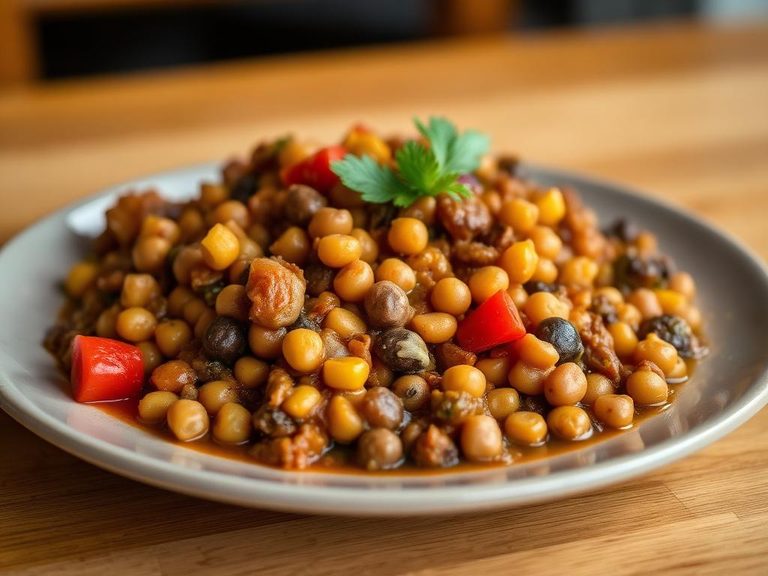
Githeri is a hearty and traditional Kenyan stew made by simmering maize and pigeon peas together, often with tomatoes, onions, and a blend of spices. It is a staple comfort food across Kenya, particularly in the central highlands, and is typically served with accompaniments like ugali, chapati, or a side of vegetables. The dish is celebrated for its simplicity, affordability, and deep-rooted cultural significance in Kenyan home cooking.
🍳 View the full Githeri recipe →
🍽️ Nutrition at a glance
Githeri is a well-balanced, plant-based dish that is high in complex carbohydrates and dietary fiber, with a moderate amount of protein from the legumes and grains. It provides essential nutrients like iron, folate, and B vitamins, and a typical serving contains roughly 350-450 calories, making it a filling and nutritious meal.
Nutrition breakdown
| Calories | 215 kcal |
| Protein | 9.5 g |
| Carbs | 38 g |
| Fat | 3.2 g |
| Fiber | 8.5 g |
| Sugar | 2.8 g |
| Sodium | 420 mg |
| Potassium | 480 mg |
| Iron | 3.2 mg |
| Magnesium | 85 mg |
| Phosphorus | 160 mg |
| Folate | 120 µg |
| Zinc | 2.1 mg |
| Vitamin B6 | 0.3 mg |
| Thiamin (B1) | 0.4 mg |
Per 1 cup (240 g) · estimated, varies by recipe
💡 What's interesting
Culturally, Githeri is often considered a 'peasant food' turned national treasure, symbolizing resourcefulness and communal eating in Kenyan society. Nutritionally, the combination of maize and pigeon peas creates a complete protein profile, showcasing traditional African wisdom in pairing grains and legumes for optimal nutrition long before the concept was popularized elsewhere.
🍽️ Related dishes
AI estimate may be inaccurate · Terms