

Nuts, butternuts, dried
Whole food · Nut and Seed Products

Photo: Wikipedia
Butternuts, also known as white walnuts, are the large, oblong nuts of the butternut tree, prized for their rich, oily, and distinctly sweet flavor. Their texture is creamy and slightly chewy when fresh, becoming more brittle when dried. Nutritionally, they are a powerhouse of healthy fats and plant-based protein, with a notable absence of sugar.
Calorie split: 15% protein · 7% carbs · 78% fat
↓ Full nutrition💚 Why it's loved
People adore butternuts for their uniquely sweet, buttery flavor that's richer and more complex than common walnuts. Their versatility allows them to be enjoyed raw, roasted, or used in both sweet and savory dishes, from baked goods to salads.
⚠️ Watch-outs & how to enjoy it better
The high fat content (nearly 57g per 100g) makes them very calorie-dense, requiring mindful portion control for those managing weight. The hard, thick shell can be notoriously difficult to crack, which may deter casual use. To counteract the calorie density, measure portions (e.g., a small handful) and pair with lower-calorie, fiber-rich foods like vegetables to create balanced meals.
Key benefits
- Excellent source of heart-healthy monounsaturated and polyunsaturated fats.
- Provides a substantial amount of plant-based protein for muscle maintenance.
- High in dietary fiber to support digestive health and satiety.
- Rich in essential minerals like manganese, copper, and magnesium.
- Contains antioxidants, including ellagic acid, which may have protective properties.
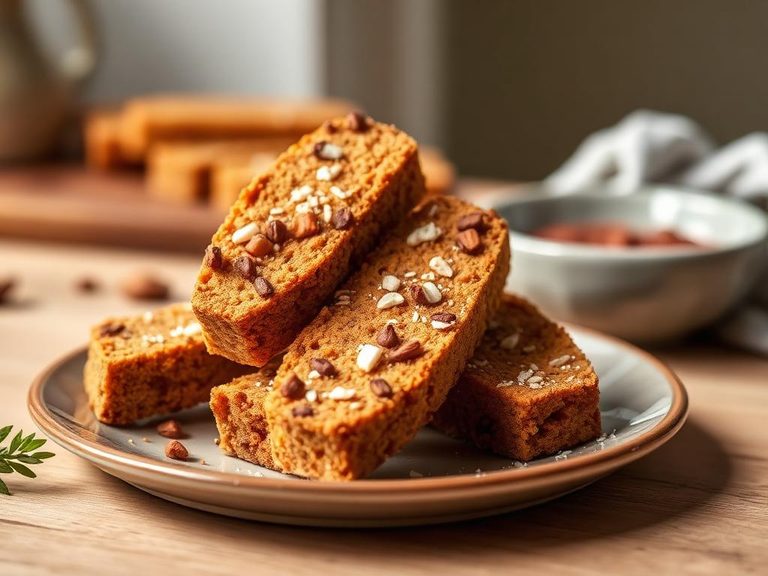
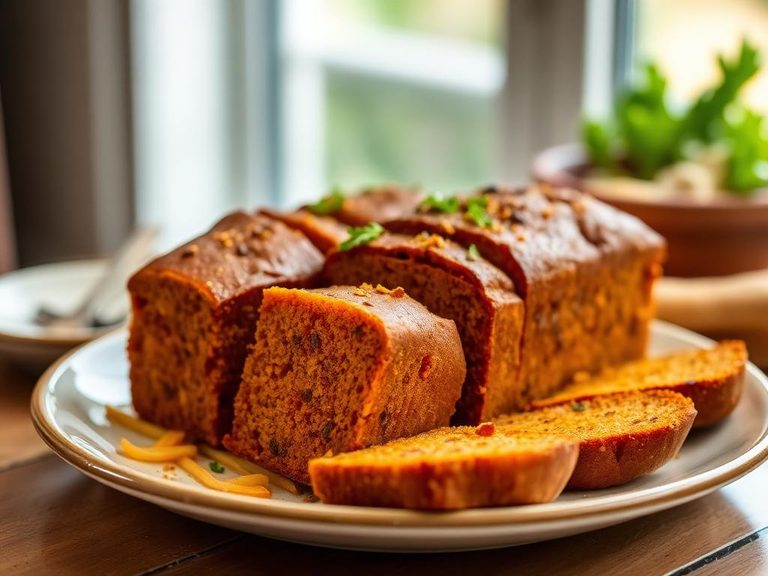
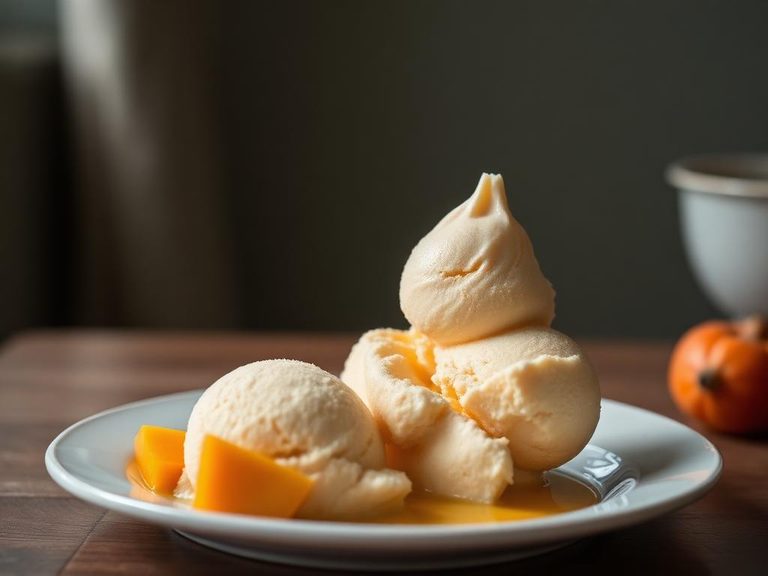
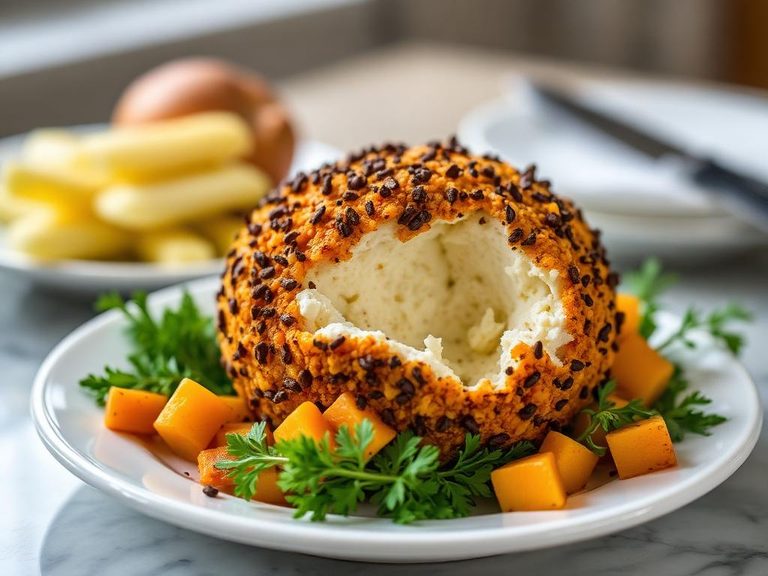
🍽️ Popular dishes
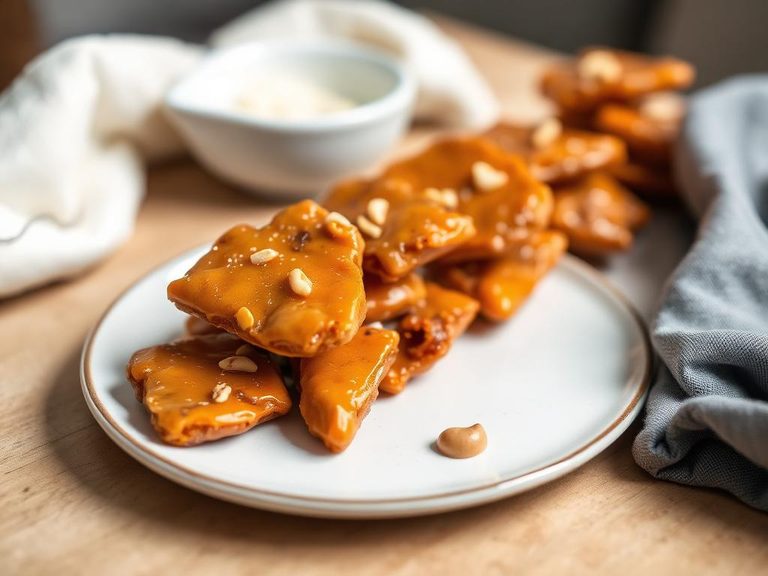
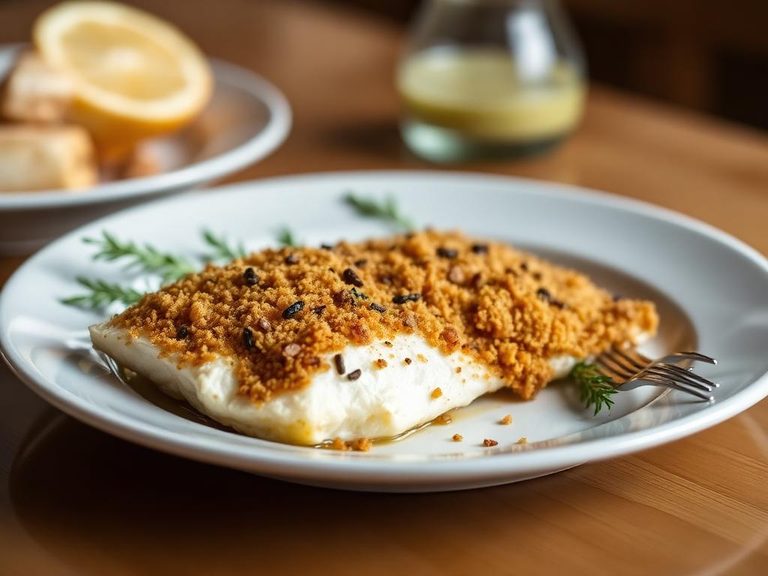
🌍 Where it's eaten
💡 Did you know?
The butternut tree is a member of the walnut family, but its wood is so prized for its fine, straight grain that it's often called 'white walnut' and is a favorite among woodworkers for carving gunstocks and furniture.
Full nutrition (USDA data · scales with serving)
| Water | 3.3 g |
| Energy | 612 kcal |
| Energy | 2561 kj |
| Protein | 24.9 g |
| Total lipid (fat) | 57.0 g |
| Ash | 2.7 g |
| Carbohydrate, by difference | 12.1 g |
| Fiber, total dietary | 4.7 g |
| Calcium, Ca | 53.0 mg |
| Iron, Fe | 4.0 mg |
| Magnesium, Mg | 237 mg |
| Phosphorus, P | 446 mg |
| Potassium, K | 421 mg |
| Sodium, Na | 1.0 mg |
| Zinc, Zn | 3.1 mg |
| Copper, Cu | 0.45 mg |
| Manganese, Mn | 6.6 mg |
| Selenium, Se | 17.2 ug |
| Vitamin C, total ascorbic acid | 3.2 mg |
| Thiamin | 0.38 mg |
| Riboflavin | 0.15 mg |
| Niacin | 1.0 mg |
| Pantothenic acid | 0.63 mg |
| Vitamin B-6 | 0.56 mg |
| Folate, total | 66.0 ug |
| Folic acid | 0.00 ug |
| Folate, food | 66.0 ug |
| Folate, DFE | 66.0 ug |
| Vitamin B-12 | 0.00 ug |
| Vitamin A, RAE | 6.0 ug |
| Retinol | 0.00 ug |
| Vitamin A, IU | 124 iu |
| Vitamin D (D2 + D3), International Units | 0.00 iu |
| Vitamin D (D2 + D3) | 0.00 ug |
| Alcohol, ethyl | 0.00 g |
Fat & fatty acid profile (per 100g)
| Fatty acids, total saturated | 1.3 g |
| SFA 4:0 | 0.00 g |
| SFA 6:0 | 0.00 g |
| SFA 8:0 | 0.00 g |
| SFA 10:0 | 0.00 g |
| SFA 12:0 | 0.00 g |
| SFA 14:0 | 0.00 g |
| SFA 16:0 | 0.87 g |
| SFA 18:0 | 0.42 g |
| Fatty acids, total monounsaturated | 10.4 g |
| MUFA 16:1 | 0.00 g |
| MUFA 18:1 | 10.4 g |
| MUFA 20:1 | 0.00 g |
| MUFA 22:1 | 0.00 g |
| Fatty acids, total polyunsaturated | 42.7 g |
| PUFA 18:2 | 33.7 g |
| PUFA 18:3 | 8.7 g |
| PUFA 18:4 | 0.00 g |
| PUFA 20:4 | 0.00 g |
| PUFA 20:5 n-3 (EPA) | 0.00 g |
| PUFA 22:5 n-3 (DPA) | 0.00 g |
| PUFA 22:6 n-3 (DHA) | 0.00 g |
| Cholesterol | 0.00 mg |
Amino acid profile (per 100g)
| Tryptophan | 0.37 g |
| Threonine | 0.94 g |
| Isoleucine | 1.2 g |
| Leucine | 2.2 g |
| Lysine | 0.77 g |
| Methionine | 0.61 g |
| Cystine | 0.48 g |
| Phenylalanine | 1.4 g |
| Tyrosine | 0.98 g |
| Valine | 1.5 g |
| Arginine | 4.9 g |
| Histidine | 0.81 g |
| Alanine | 1.4 g |
| Aspartic acid | 3.1 g |
| Glutamic acid | 6.1 g |
| Glycine | 1.5 g |
| Proline | 1.2 g |
| Serine | 1.6 g |
FAQ
How is the taste of a butternut different from a common walnut?
Butternuts have a milder, sweeter, and more buttery flavor compared to the slightly more tannic and earthy taste of English walnuts. Their texture is also generally creamier.
Why are dried butternuts often sold still in the shell?
The high oil content of the nut meat means it can go rancid relatively quickly once exposed to air. Keeping them in the hard, protective shell helps preserve freshness and flavor for much longer.
Can I substitute butternuts for walnuts in recipes?
Yes, in most cases. Use a 1:1 ratio by volume. The dish will have a sweeter, richer profile, so it's especially good in cookies, cakes, and salads where a sweeter nut is desirable.
Nutrient density (calculated · NRF9.3)
Nutrient Rich Foods index: beneficial nutrients (protein, fiber, vitamins, minerals) minus saturated fat, added sugar & sodium, per 100 kcal.
NRF9.3 index — Fulgoni, Keast & Drewnowski, 2009. Computed from USDA nutrients.
Weight-loss friendliness (composite index)
Energy density 6.12 kcal/g · 16% calories from protein · 4.7 g fiber · 0.0 g sugar per 100 g.
Composite of energy density (Rolls et al., 1999), protein & fiber satiety, minus sugar. A calculated heuristic — ranks satiety-per-calorie, not a clinical measure.
Dietary load (calculated from USDA values)
Potential renal acid load. Positive = acid-forming, negative = alkaline-forming.
Sodium-to-potassium ratio: 0.00 (lower is better — aim for ≤ 1)
Sodium:potassium per WHO potassium guidance. Computed from USDA nutrients.