

French toast, prepared from recipe, made with low fat (2%) milk
Whole food · Baked Products

Photo: Wikipedia
This is classic French toast, a golden-brown slice of bread soaked in a custard of eggs and low-fat milk, then pan-fried to a soft, slightly custardy interior with a caramelized exterior. The 2% milk lightens the batter compared to heavy cream, yielding a tender crumb without excessive richness. It delivers a balanced 229 kcal per 100g, with a notable 7.7g of protein from the egg-milk soak.
Calorie split: 14% protein · 44% carbs · 43% fat
↓ Full nutrition💚 Why it's loved
People adore its comforting, nostalgic flavor—a sweet, buttery, vanilla-kissed custard that transforms simple bread into something special. It's a beloved weekend ritual, endlessly adaptable with toppings from fresh berries to savory bacon and maple syrup.
⚠️ Watch-outs & how to enjoy it better
The primary concern is its high glycemic load from refined white bread and added sugars, which can cause rapid blood sugar spikes. To counteract this, use whole-grain or sourdough bread, top with protein (Greek yogurt, nuts) and healthy fats (avocado, nut butter), and practice portion control. Those with gluten or egg allergies must avoid it or use suitable substitutes.
Key benefits
- Good source of protein from egg and milk soak
- Provides calcium and vitamin D from fortified milk
- Versatile base for both sweet and savory toppings
- Quick to prepare with common pantry staples
- Can be made ahead and reheated easily
🍽️ Popular dishes

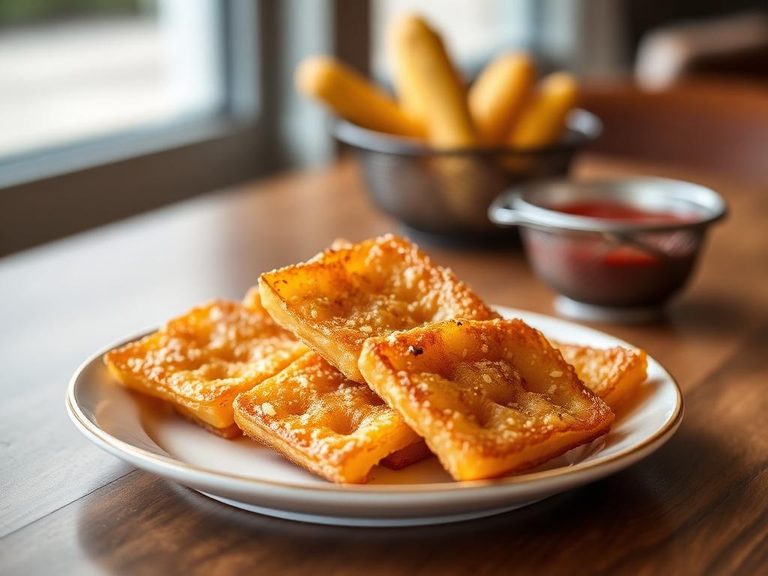
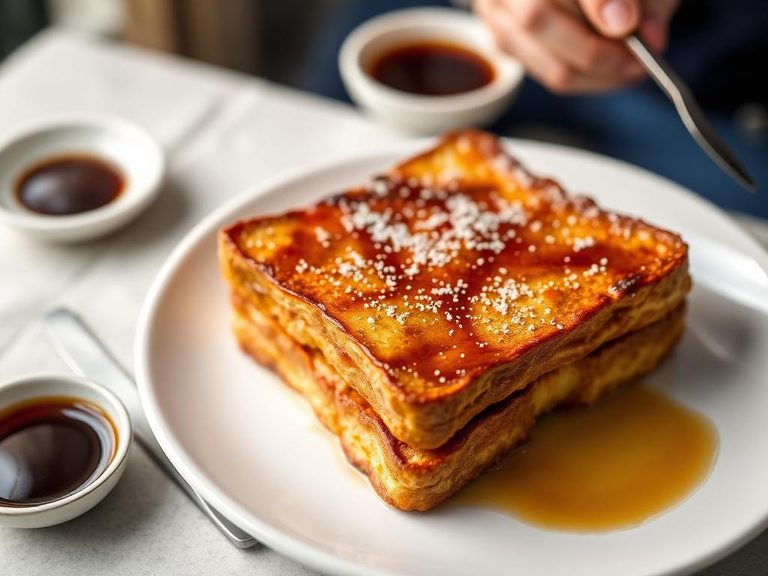
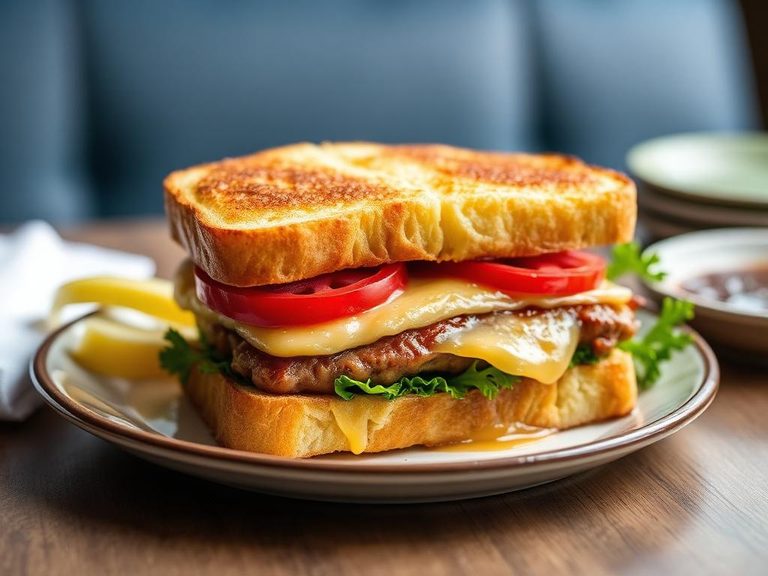
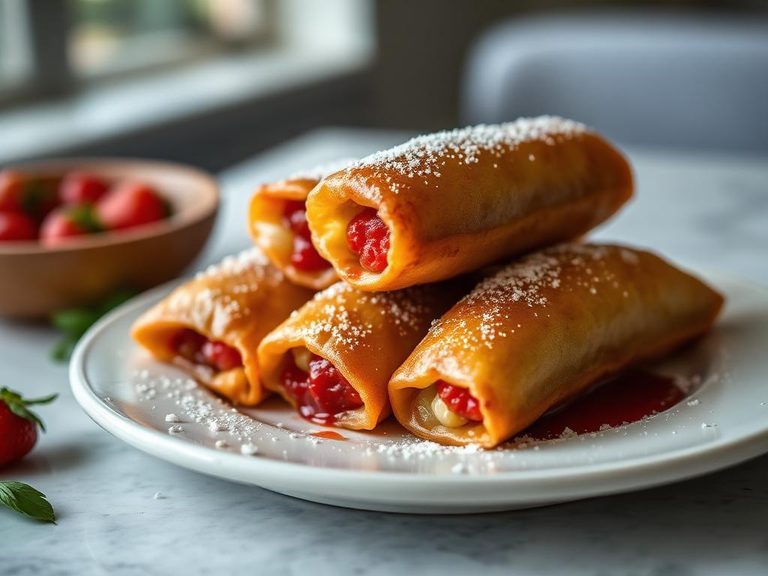
🌍 Where it's eaten
💡 Did you know?
The name 'pain perdu' literally means 'lost bread' in French, as the recipe was a traditional way to use up stale, 'lost' bread.
Full nutrition (USDA data · scales with serving)
| Water | 54.7 g |
| Energy | 229 kcal |
| Energy | 958 kj |
| Protein | 7.7 g |
| Total lipid (fat) | 10.8 g |
| Ash | 1.8 g |
| Carbohydrate, by difference | 25.0 g |
| Calcium, Ca | 100 mg |
| Iron, Fe | 1.7 mg |
| Magnesium, Mg | 17.0 mg |
| Phosphorus, P | 117 mg |
| Potassium, K | 134 mg |
| Sodium, Na | 479 mg |
| Zinc, Zn | 0.67 mg |
| Copper, Cu | 0.06 mg |
| Manganese, Mn | 0.19 mg |
| Selenium, Se | 20.1 ug |
| Vitamin C, total ascorbic acid | 0.30 mg |
| Thiamin | 0.20 mg |
| Riboflavin | 0.32 mg |
| Niacin | 1.6 mg |
| Pantothenic acid | 0.55 mg |
| Vitamin B-6 | 0.07 mg |
| Folate, total | 43.0 ug |
| Folic acid | 20.0 ug |
| Folate, food | 23.0 ug |
| Folate, DFE | 57.0 ug |
| Vitamin B-12 | 0.31 ug |
| Vitamin A, RAE | 124 ug |
| Retinol | 118 ug |
| Carotene, beta | 66.0 ug |
| Vitamin A, IU | 503 iu |
Fat & fatty acid profile (per 100g)
| Fatty acids, total saturated | 2.7 g |
| SFA 4:0 | 0.02 g |
| SFA 6:0 | 0.01 g |
| SFA 8:0 | 0.01 g |
| SFA 10:0 | 0.02 g |
| SFA 12:0 | 0.02 g |
| SFA 14:0 | 0.09 g |
| SFA 16:0 | 1.7 g |
| SFA 18:0 | 0.86 g |
| Fatty acids, total monounsaturated | 4.5 g |
| MUFA 16:1 | 0.10 g |
| MUFA 18:1 | 4.4 g |
| MUFA 20:1 | 0.01 g |
| MUFA 22:1 | 0.00 g |
| Fatty acids, total polyunsaturated | 2.6 g |
| PUFA 18:2 | 2.4 g |
| PUFA 18:3 | 0.12 g |
| PUFA 18:4 | 0.00 g |
| PUFA 20:4 | 0.04 g |
| PUFA 20:5 n-3 (EPA) | 0.00 g |
| PUFA 22:5 n-3 (DPA) | 0.00 g |
| PUFA 22:6 n-3 (DHA) | 0.01 g |
| Cholesterol | 116 mg |
Amino acid profile (per 100g)
| Tryptophan | 0.09 g |
| Threonine | 0.30 g |
| Isoleucine | 0.38 g |
| Leucine | 0.62 g |
| Lysine | 0.41 g |
| Methionine | 0.19 g |
| Cystine | 0.16 g |
| Phenylalanine | 0.39 g |
| Tyrosine | 0.28 g |
| Valine | 0.42 g |
| Arginine | 0.36 g |
| Histidine | 0.18 g |
| Alanine | 0.33 g |
| Aspartic acid | 0.58 g |
| Glutamic acid | 1.7 g |
| Glycine | 0.25 g |
| Proline | 0.59 g |
| Serine | 0.47 g |
FAQ
Why does my French toast turn out soggy in the middle?
Sogginess occurs when the bread soaks up too much custard or isn't cooked long enough. Use slightly stale or thick-cut bread, dip it briefly (5-10 seconds per side), and cook over medium heat to ensure the center sets before the outside burns.
Can I make French toast with low-fat milk and still get a rich texture?
Yes. The eggs are the key to richness. To compensate for the lighter milk, ensure your egg-to-milk ratio is sufficient (typically 2 eggs per 1/4 cup milk), add a pinch of vanilla and cinnamon for flavor depth, and don't skimp on the butter in the pan for a golden crust.
Is French toast a good breakfast for weight management?
It can be part of a balanced diet. The protein from eggs helps with satiety. To support weight management, use whole-grain bread for fiber, control portion size (1-2 slices), and top with nutrient-dense options like berries and a dollop of Greek yogurt instead of excessive syrup and butter.
Nutrient density (calculated · NRF9.3)
Nutrient Rich Foods index: beneficial nutrients (protein, fiber, vitamins, minerals) minus saturated fat, added sugar & sodium, per 100 kcal.
NRF9.3 index — Fulgoni, Keast & Drewnowski, 2009. Computed from USDA nutrients.
Weight-loss friendliness (composite index)
Energy density 2.29 kcal/g · 13% calories from protein · 0.0 g fiber · 0.0 g sugar per 100 g.
Composite of energy density (Rolls et al., 1999), protein & fiber satiety, minus sugar. A calculated heuristic — ranks satiety-per-calorie, not a clinical measure.
Dietary load (calculated from USDA values)
Potential renal acid load. Positive = acid-forming, negative = alkaline-forming.
Sodium-to-potassium ratio: 3.57 (lower is better — aim for ≤ 1)
Sodium:potassium per WHO potassium guidance. Computed from USDA nutrients.