

Torrijas
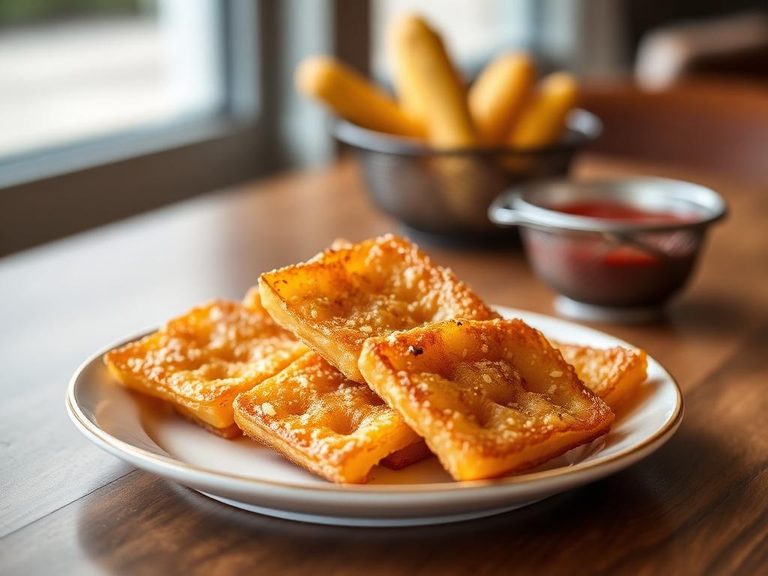
Torrijas are a traditional Spanish dessert, similar to French toast, made by soaking slices of bread in milk or wine, then coating them in egg and frying them until golden. They are typically flavored with cinnamon, lemon zest, and sometimes honey or sugar, and are especially popular during Lent and Easter. Originating from Spain, they are a beloved treat in many Spanish-speaking countries.
🍳 View the full Torrijas recipe →
🍽️ Nutrition at a glance
Torrijas are high in carbohydrates and fat due to the bread, milk, and frying process, with a moderate amount of protein from the egg coating. A single serving can range from 200 to 300 calories, providing energy and some calcium from the milk, but they are best enjoyed as an occasional indulgence.
Nutrition breakdown
| Calories | 450 kcal |
| Protein | 8 g |
| Carbs | 55 g |
| Fat | 22 g |
| Fiber | 1 g |
| Sugar | 30 g |
| Sodium | 350 mg |
| Calcium | 120 mg |
| Iron | 2.5 mg |
| Vitamin A | 150 mcg RAE |
| Vitamin D | 1.5 mcg |
| Vitamin B12 | 0.8 mcg |
| Phosphorus | 150 mg |
| Riboflavin (B2) | 0.3 mg |
| Folate | 40 mcg DFE |
Per 2 pieces (approx. 150 g) · estimated, varies by recipe
💡 What's interesting
Culturally, torrijas are a festive staple during Holy Week in Spain, symbolizing both indulgence and tradition before the fasting period of Lent. Nutritionally, they transform simple, humble ingredients into a rich dessert, showcasing how historical scarcity inspired creative and satisfying culinary practices.
AI estimate may be inaccurate · Terms