

Flour, potato
Whole food · Vegetables and Vegetable Products

Photo: Wikipedia
Potato flour is a fine, creamy-white powder made from dehydrated, ground potatoes, carrying a subtle, earthy aroma. It has a smooth, almost silky texture when raw, but transforms into a thick, gelatinous paste when cooked, with a mild, starchy flavor reminiscent of cooked potatoes. Nutritionally, it's a concentrated source of energy, packed with carbohydrates and offering a modest amount of protein.
Calorie split: 9% protein · 89% carbs · 2% fat
↓ Full nutrition💚 Why it's loved
People love potato flour for its incredible thickening power and its ability to add a soft, moist texture to gluten-free baking without the gritty feel of some other flours. Its neutral, mildly savory flavor allows it to blend seamlessly into both savory dishes and some sweet baked goods.
⚠️ Watch-outs & how to enjoy it better
Its high carbohydrate content can lead to rapid blood sugar spikes if consumed in large quantities without balancing nutrients. It can also become overly gummy or gluey if too much is used or if it's not properly incorporated. To counteract this, use it sparingly as a thickener (often just a tablespoon or two), and always pair carbohydrate-rich dishes containing it with protein and healthy fats to slow digestion.
Key benefits
- Excellent gluten-free thickener for soups, sauces, and gravies.
- Adds moisture and a tender crumb to gluten-free baked goods.
- Provides a quick source of energy from complex carbohydrates.
- Contains dietary fiber, supporting digestive health.
- Naturally gluten-free, making it a safe alternative for celiac diets.
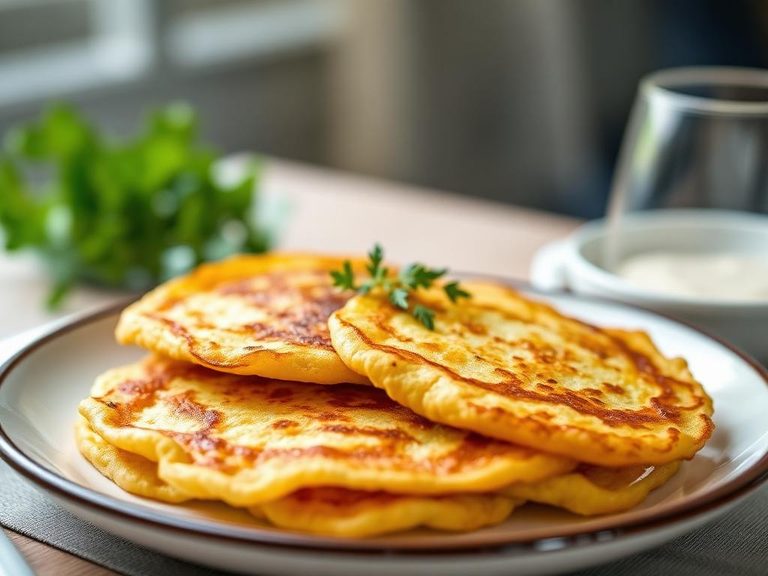
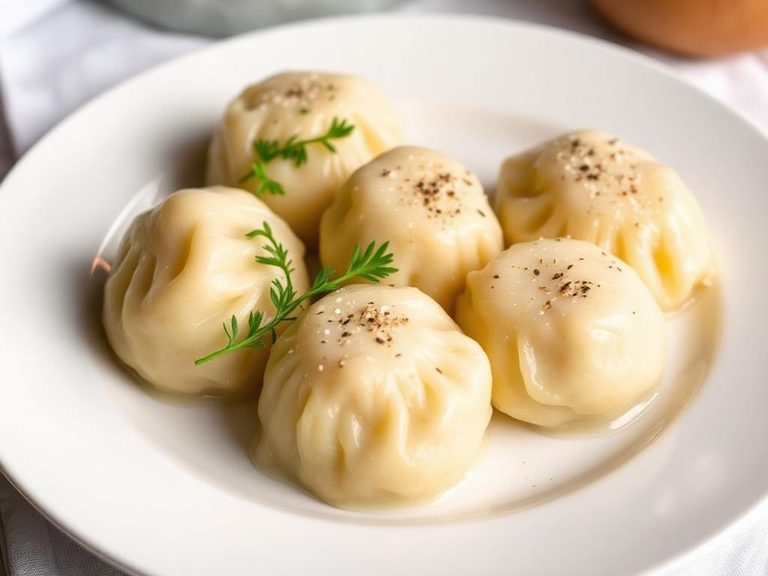
🍽️ Popular dishes
🌍 Where it's eaten
💡 Did you know?
Potato flour is distinct from potato starch; the flour is made from the whole, cooked, and dried potato, while starch is just the extracted amylose component, making potato flour more nutritious but less potent as a pure thickener.
Full nutrition (USDA data · scales with serving)
| Water | 8.3 g |
| Energy (Atwater General Factors) | 361 kcal |
| Energy (Atwater Specific Factors) | 353 kcal |
| Nitrogen | 1.3 g |
| Protein | 8.1 g |
| Total lipid (fat) | 0.95 g |
| Ash | 2.7 g |
| Carbohydrate, by difference | 79.9 g |
| Fiber, total dietary | 5.4 g |
| Total dietary fiber (AOAC 2011.25) | 16.6 g |
| High Molecular Weight Dietary Fiber (HMWDF) | 14.8 g |
| Low Molecular Weight Dietary Fiber (LMWDF) | 1.8 g |
| Starch | 62.7 g |
| Calcium, Ca | 44.1 mg |
| Iron, Fe | 12.0 mg |
| Magnesium, Mg | 73.7 mg |
| Phosphorus, P | 197 mg |
| Potassium, K | 1269 mg |
| Sodium, Na | 47.7 mg |
| Zinc, Zn | 0.90 mg |
| Copper, Cu | 0.23 mg |
| Manganese, Mn | 0.68 mg |
| Selenium, Se | 1.4 ug |
| Molybdenum, Mo | 18.9 ug |
| Thiamin | 0.20 mg |
| Riboflavin | 0.12 mg |
| Niacin | 5.6 mg |
| Vitamin B-6 | 0.58 mg |
| Biotin | 0.98 ug |
| Folate, total | 41.1 ug |
Fat & fatty acid profile (per 100g)
Estimated from Potato flour — USDA does not publish this profile for Flour.
| Fatty acids, total saturated | 0.09 g |
| SFA 4:0 | 0.00 g |
| SFA 6:0 | 0.00 g |
| SFA 8:0 | 0.00 g |
| SFA 10:0 | 0.00 g |
| SFA 12:0 | 0.01 g |
| SFA 14:0 | 0.00 g |
| SFA 16:0 | 0.06 g |
| SFA 18:0 | 0.01 g |
| Fatty acids, total monounsaturated | 0.01 g |
| MUFA 16:1 | 0.00 g |
| MUFA 18:1 | 0.00 g |
| MUFA 20:1 | 0.00 g |
| MUFA 22:1 | 0.00 g |
| Fatty acids, total polyunsaturated | 0.15 g |
| PUFA 18:2 | 0.11 g |
| PUFA 18:3 | 0.04 g |
| PUFA 18:4 | 0.00 g |
| PUFA 20:4 | 0.00 g |
| PUFA 20:5 n-3 (EPA) | 0.00 g |
| PUFA 22:5 n-3 (DPA) | 0.00 g |
| PUFA 22:6 n-3 (DHA) | 0.00 g |
| Fatty acids, total trans | 0.00 g |
| Cholesterol | 0.00 mg |
Amino acid profile (per 100g)
Estimated from Potato flour — USDA does not publish this profile for Flour.
| Tryptophan | 0.12 g |
| Threonine | 0.28 g |
| Isoleucine | 0.30 g |
| Leucine | 0.42 g |
| Lysine | 0.41 g |
| Methionine | 0.11 g |
| Cystine | 0.07 g |
| Phenylalanine | 0.32 g |
| Tyrosine | 0.22 g |
| Valine | 0.36 g |
| Arginine | 0.37 g |
| Histidine | 0.17 g |
| Alanine | 0.33 g |
| Aspartic acid | 1.2 g |
| Glutamic acid | 0.93 g |
| Glycine | 0.26 g |
| Proline | 0.27 g |
| Serine | 0.23 g |
FAQ
What is the difference between potato flour and potato starch?
Potato flour is made from the entire dehydrated potato, including fiber and protein, giving it more nutrients and a stronger potato flavor. Potato starch is a refined starch extracted from the potato, with a neutral flavor and superior thickening power, but no significant nutritional value beyond carbs.
Can I use potato flour as a 1:1 substitute for wheat flour in baking?
No. Potato flour is very absorbent and has no gluten. Using it as a direct 1:1 substitute will result in a dense, gummy, and likely inedible product. It's best used as a small percentage (10-20%) of a gluten-free flour blend to add moisture and softness.
How do I prevent potato flour from becoming lumpy in liquids?
Always make a slurry first. Mix the potato flour with a small amount of cold liquid (water or broth) until smooth before whisking it into hot liquids. This prevents clumping and ensures even thickening.
Nutrient density (calculated · NRF9.3)
Nutrient Rich Foods index: beneficial nutrients (protein, fiber, vitamins, minerals) minus saturated fat, added sugar & sodium, per 100 kcal.
NRF9.3 index — Fulgoni, Keast & Drewnowski, 2009. Computed from USDA nutrients.
Weight-loss friendliness (composite index)
Energy density 3.61 kcal/g · 9% calories from protein · 5.4 g fiber · 0.0 g sugar per 100 g.
Composite of energy density (Rolls et al., 1999), protein & fiber satiety, minus sugar. A calculated heuristic — ranks satiety-per-calorie, not a clinical measure.
Dietary load (calculated from USDA values)
Potential renal acid load. Positive = acid-forming, negative = alkaline-forming.
Sodium-to-potassium ratio: 0.04 (lower is better — aim for ≤ 1)
Sodium:potassium per WHO potassium guidance. Computed from USDA nutrients.