

Kartoffelklöße
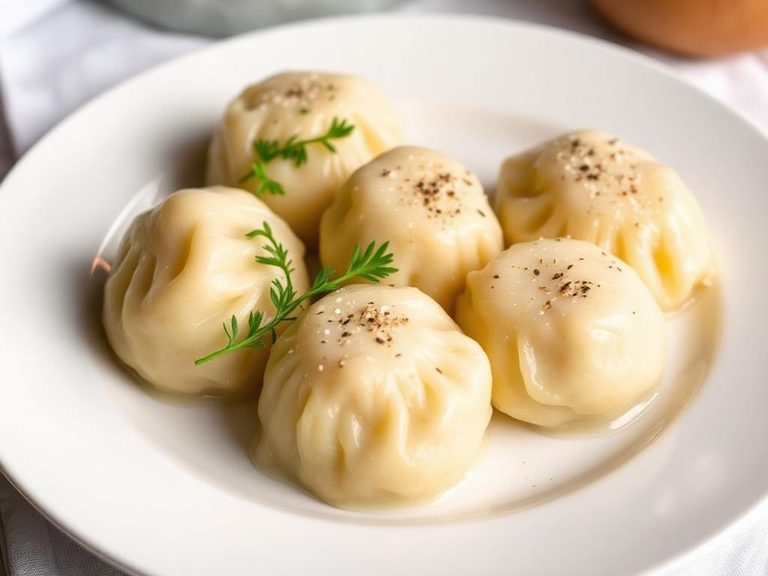
Kartoffelklöße are soft, pillowy German potato dumplings traditionally made from a blend of raw and cooked potatoes, often with a hint of nutmeg. They are a beloved staple in German cuisine, particularly in regions like Thuringia and Saxony, where they are served as a hearty side dish with rich gravies, roasts, or goulash.
🍽️ Nutrition at a glance
These dumplings are high in carbohydrates from the potatoes, with a moderate amount of fat if prepared with butter or eggs, and relatively low in protein. A typical serving of two dumplings provides around 250-350 calories, offering a good source of energy along with some potassium and vitamin C.
Nutrition breakdown
| Calories | 210 kcal |
| Protein | 4.5 g |
| Carbs | 38 g |
| Fat | 4.5 g |
| Fiber | 2.5 g |
| Sugar | 1.5 g |
| Sodium | 480 mg |
| Potassium | 320 mg |
| Vitamin C | 12 mg |
| Phosphorus | 90 mg |
| Magnesium | 25 mg |
| Iron | 1.2 mg |
| Thiamin (B1) | 0.15 mg |
| Niacin (B3) | 2.0 mg |
| Folate | 30 µg |
Per 1 dumpling (150 g) · estimated, varies by recipe
💡 What's interesting
What makes Kartoffelklöße unique is their texture—achieved by a careful balance of starch from raw and cooked potatoes—which allows them to be both tender and slightly chewy. Culturally, they are a symbol of German comfort food, often featured in traditional family meals and regional festivals, showcasing the country's love for hearty, rustic dishes.
AI estimate may be inaccurate · Terms