

Fish, sucker, white, cooked, dry heat
Whole food · Finfish and Shellfish Products

Photo: Wikipedia
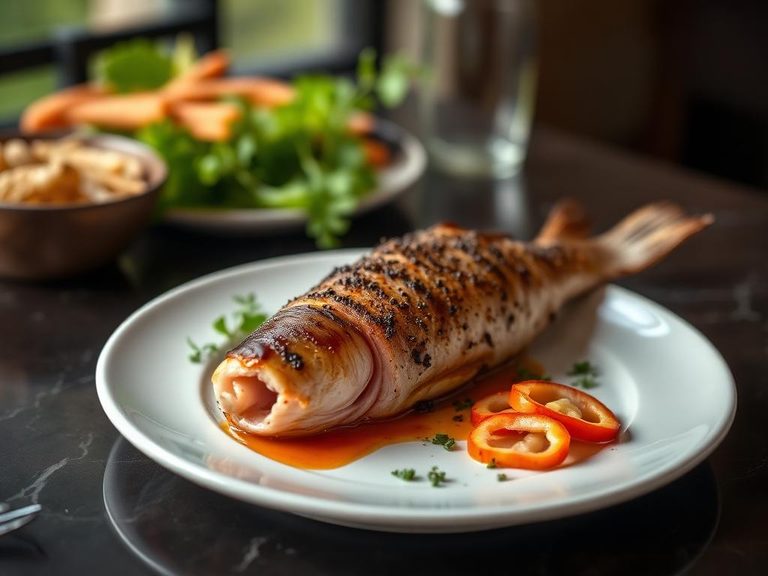
White sucker is a mild, freshwater fish with a lean, flaky texture that becomes tender and slightly sweet when cooked with dry heat. Its clean, subtle flavor makes it a blank canvas for herbs and spices, while its impressive protein-to-calorie ratio is a standout nutritional feature.
Calorie split: 76% protein · 0% carbs · 24% fat
↓ Full nutrition💚 Why it's loved
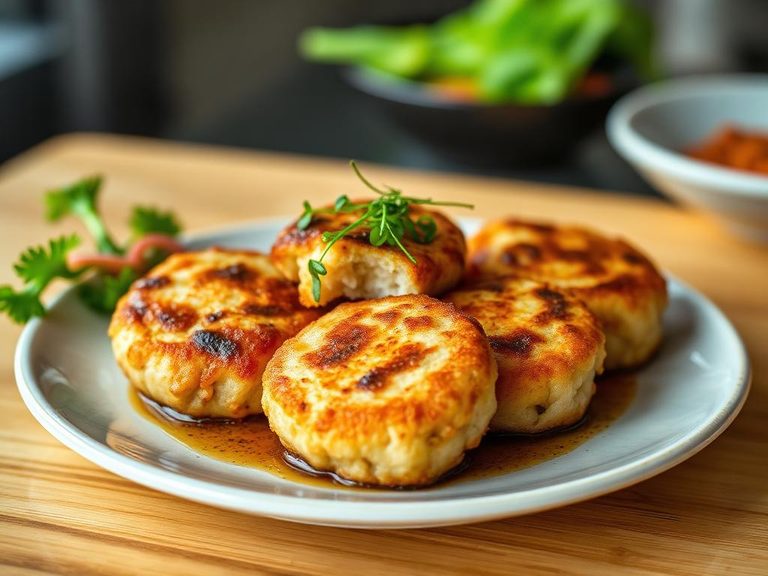
People appreciate its delicate, non-fishy taste and firm texture that holds up well to grilling or baking. It's a versatile, affordable protein staple in many regional cuisines, often prepared simply to highlight its natural flavor.
⚠️ Watch-outs & how to enjoy it better
As with many freshwater fish, it can contain environmental contaminants; sourcing from clean waters is advisable. Its mild flavor can be perceived as bland by some. To counteract blandness, marinate it or use bold seasonings like lemon, dill, or garlic before cooking.
Key benefits
- Excellent source of lean, complete protein
- Very low in calories and fat
- Zero carbohydrates or sugars
- Provides essential nutrients like selenium and B vitamins
- Supports muscle maintenance and satiety
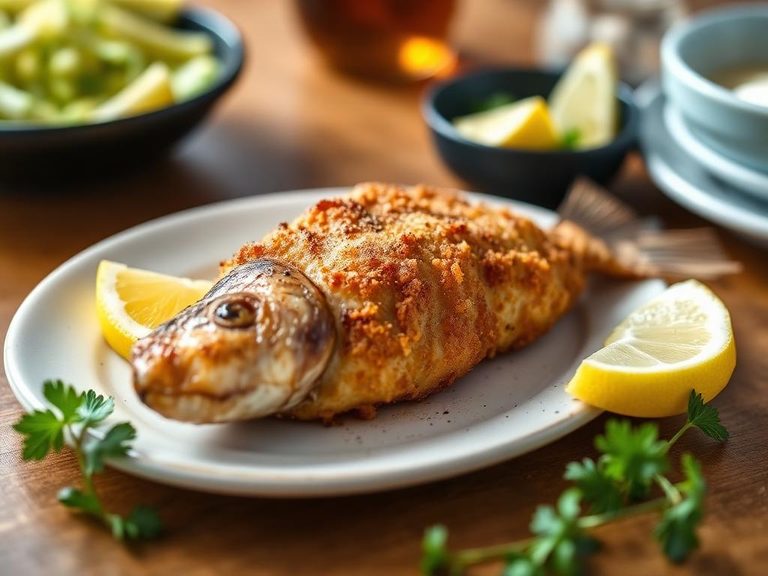
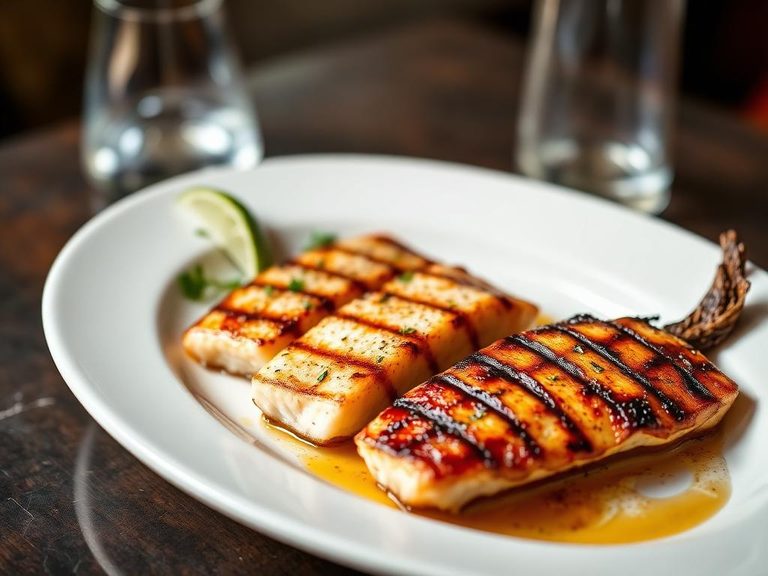
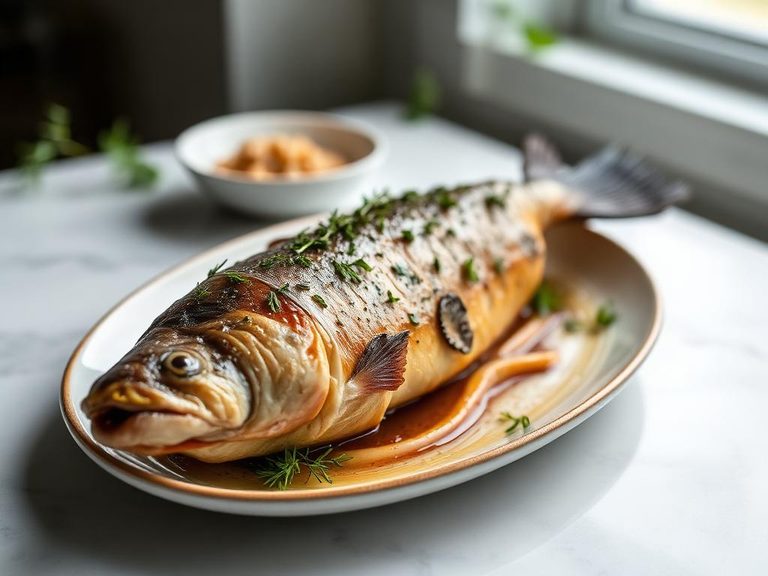
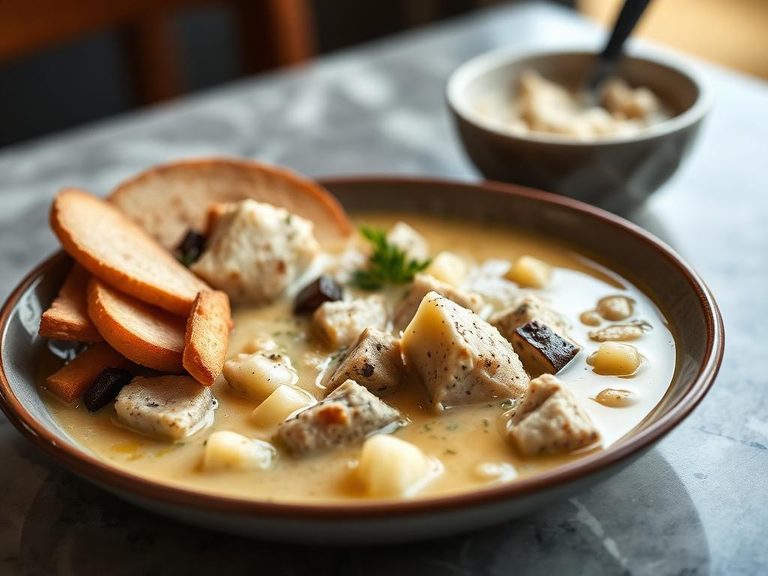
🍽️ Popular dishes
🌍 Where it's eaten
💡 Did you know?
The white sucker is a bottom-feeder, using its distinctive, downward-facing mouth to vacuum up insects and larvae from riverbeds, which contributes to its clean, mild taste.
Full nutrition (USDA data · scales with serving)
| Water | 74.0 g |
| Energy | 119 kcal |
| Energy | 498 kj |
| Protein | 21.5 g |
| Total lipid (fat) | 3.0 g |
| Ash | 1.9 g |
| Carbohydrate, by difference | 0.00 g |
| Fiber, total dietary | 0.00 g |
| Calcium, Ca | 90.0 mg |
| Iron, Fe | 1.7 mg |
| Magnesium, Mg | 38.0 mg |
| Phosphorus, P | 269 mg |
| Potassium, K | 487 mg |
| Sodium, Na | 51.0 mg |
| Zinc, Zn | 0.96 mg |
| Copper, Cu | 0.25 mg |
| Manganese, Mn | 0.77 mg |
| Selenium, Se | 16.2 ug |
| Vitamin C, total ascorbic acid | 0.00 mg |
| Thiamin | 0.01 mg |
| Riboflavin | 0.09 mg |
| Niacin | 1.5 mg |
| Pantothenic acid | 0.86 mg |
| Vitamin B-6 | 0.23 mg |
| Folate, total | 17.0 ug |
| Folic acid | 0.00 ug |
| Folate, food | 17.0 ug |
| Folate, DFE | 17.0 ug |
| Vitamin B-12 | 2.3 ug |
| Vitamin A, RAE | 59.0 ug |
| Retinol | 59.0 ug |
| Vitamin A, IU | 196 iu |
Fat & fatty acid profile (per 100g)
| Fatty acids, total saturated | 0.58 g |
| SFA 14:0 | 0.06 g |
| SFA 16:0 | 0.43 g |
| SFA 18:0 | 0.09 g |
| Fatty acids, total monounsaturated | 0.91 g |
| MUFA 16:1 | 0.49 g |
| MUFA 18:1 | 0.39 g |
| MUFA 20:1 | 0.02 g |
| Fatty acids, total polyunsaturated | 1.0 g |
| PUFA 18:2 | 0.09 g |
| PUFA 18:3 | 0.07 g |
| PUFA 18:4 | 0.04 g |
| PUFA 20:4 | 0.13 g |
| PUFA 20:5 n-3 (EPA) | 0.24 g |
| PUFA 22:5 n-3 (DPA) | 0.09 g |
| PUFA 22:6 n-3 (DHA) | 0.37 g |
| Cholesterol | 53.0 mg |
Amino acid profile (per 100g)
| Tryptophan | 0.24 g |
| Threonine | 0.94 g |
| Isoleucine | 0.99 g |
| Leucine | 1.7 g |
| Lysine | 2.0 g |
| Methionine | 0.64 g |
| Cystine | 0.23 g |
| Phenylalanine | 0.84 g |
| Tyrosine | 0.72 g |
| Valine | 1.1 g |
| Arginine | 1.3 g |
| Histidine | 0.63 g |
| Alanine | 1.3 g |
| Aspartic acid | 2.2 g |
| Glutamic acid | 3.2 g |
| Glycine | 1.0 g |
| Proline | 0.76 g |
| Serine | 0.88 g |
FAQ
What does white sucker taste like?
It has a mild, slightly sweet, and clean flavor with a firm, flaky texture. It's less 'fishy' than many saltwater species, making it a good choice for those who prefer a subtler taste.
How should I cook it?
Dry-heat methods are ideal: pan-frying, grilling, broiling, or baking. Because it's lean, avoid overcooking to keep it moist. A quick sear or a marinade adds flavor and protection.
Is it safe to eat?
When sourced from clean, unpolluted waters, it's a safe and nutritious food. Check local advisories if fishing yourself, as freshwater fish can accumulate contaminants from their environment.
Nutrient density (calculated · NRF9.3)
Nutrient Rich Foods index: beneficial nutrients (protein, fiber, vitamins, minerals) minus saturated fat, added sugar & sodium, per 100 kcal.
NRF9.3 index — Fulgoni, Keast & Drewnowski, 2009. Computed from USDA nutrients.
Weight-loss friendliness (composite index)
Energy density 1.19 kcal/g · 72% calories from protein · 0.0 g fiber · 0.0 g sugar per 100 g.
Composite of energy density (Rolls et al., 1999), protein & fiber satiety, minus sugar. A calculated heuristic — ranks satiety-per-calorie, not a clinical measure.
Dietary load (calculated from USDA values)
Potential renal acid load. Positive = acid-forming, negative = alkaline-forming.
Sodium-to-potassium ratio: 0.10 (lower is better — aim for ≤ 1)
Sodium:potassium per WHO potassium guidance. Computed from USDA nutrients.