

Smoked White Sucker

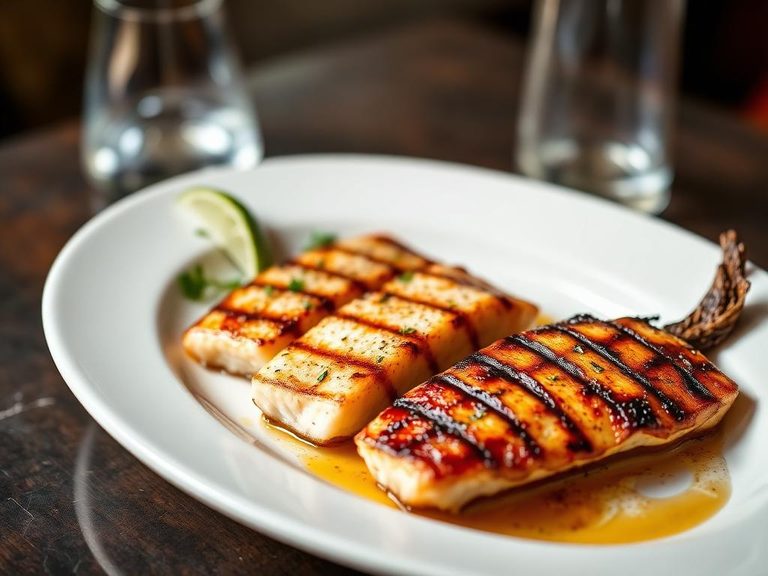
Smoked White Sucker is a freshwater fish dish made by smoking the white sucker (Catostomus commersonii), a common North American river fish. The process typically involves brining the fish in a salt-sugar solution before cold or hot smoking, which imparts a rich, savory flavor and a firm, flaky texture. It's a traditional preparation often associated with rustic, home-style cooking in the Great Lakes region and parts of Canada.
🍽️ Nutrition at a glance
This dish is a high-protein, low-carbohydrate food, with the fat content varying based on the fish's natural oils and any added fats during smoking. It is an excellent source of lean protein and provides important nutrients like selenium, phosphorus, and B vitamins, with a typical serving containing roughly 200-250 calories.
Nutrition breakdown
| Calories | 230 kcal |
| Protein | 34 g |
| Carbs | 0 g |
| Fat | 10 g |
| Fiber | 0 g |
| Sugar | 0 g |
| Sodium | 480 mg |
| Selenium | 40 mcg |
| Phosphorus | 300 mg |
| Niacin (B3) | 7 mg |
| Vitamin B12 | 2.5 mcg |
| Potassium | 350 mg |
| Magnesium | 40 mg |
| Omega-3 (EPA+DHA) | 1.2 g |
| Vitamin D | 3.5 mcg |
Per 1 fillet (150 g) · estimated, varies by recipe
💡 What's interesting
The white sucker is often considered a humble 'rough fish' by anglers, but smoking transforms it into a delicacy with a deep, umami flavor. Nutritionally, the smoking process concentrates the fish's nutrients, making it a particularly dense source of high-quality protein and omega-3 fatty acids relative to its calorie count.
🍽️ Related dishes







AI estimate may be inaccurate · Terms