

Fish, spot, raw
Whole food · Finfish and Shellfish Products

Photo: Wikipedia
Spot (or whiting) is a lean, mild white fish prized for its delicate, almost sweet flavor and tender, flaky texture. With an impressive 18.5g of protein per 100g and virtually no fat or carbohydrates, it's a powerhouse of pure, high-quality protein. Its subtle taste makes it a perfect canvas for a variety of seasonings and cooking methods.
Calorie split: 63% protein · 0% carbs · 37% fat
↓ Full nutrition💚 Why it's loved
People love spot for its clean, non-fishy taste and versatile, mild flavor that pairs beautifully with bright herbs, citrus, or simple butter sauces. Its quick cooking time and delicate texture make it ideal for simple weeknight meals or elegant presentations.
⚠️ Watch-outs & how to enjoy it better
As a common fish allergen, it must be avoided by those with fish or seafood allergies. Its delicate flesh can overcook easily, becoming dry; to counteract this, use quick, high-heat methods like pan-searing or broil, and consider a light pan sauce or a drizzle of olive oil to add moisture.
Key benefits
- Excellent source of lean, high-quality protein for muscle maintenance.
- Very low in fat and calories, supporting weight management goals.
- Contains essential minerals like phosphorus and selenium.
- A good source of B vitamins, particularly niacin and B12.
- Naturally low in carbohydrates, suitable for low-carb diets.
🍽️ Popular dishes
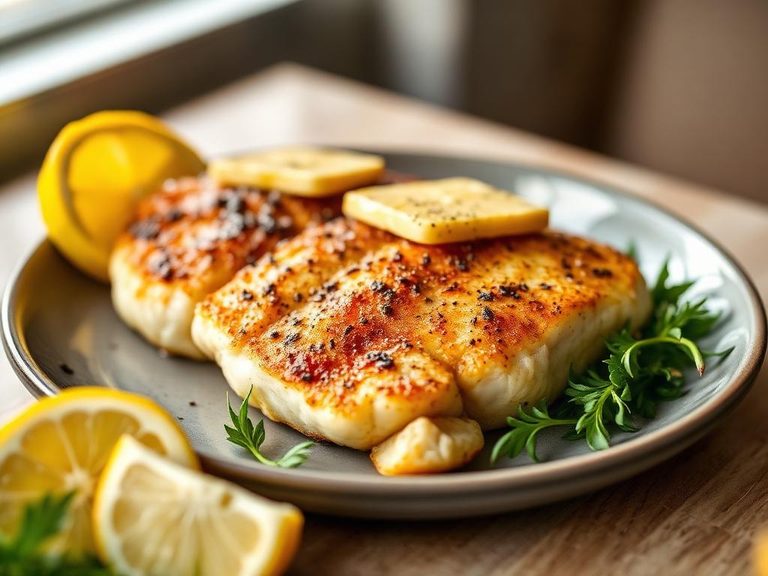
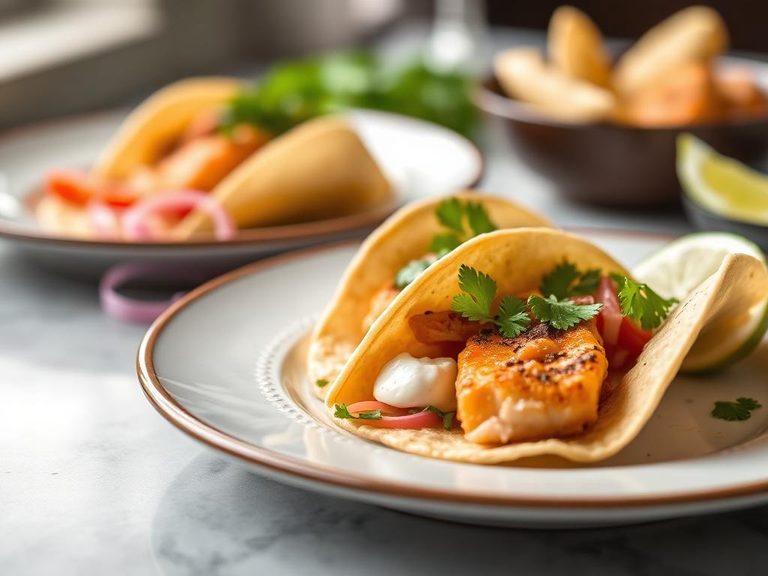
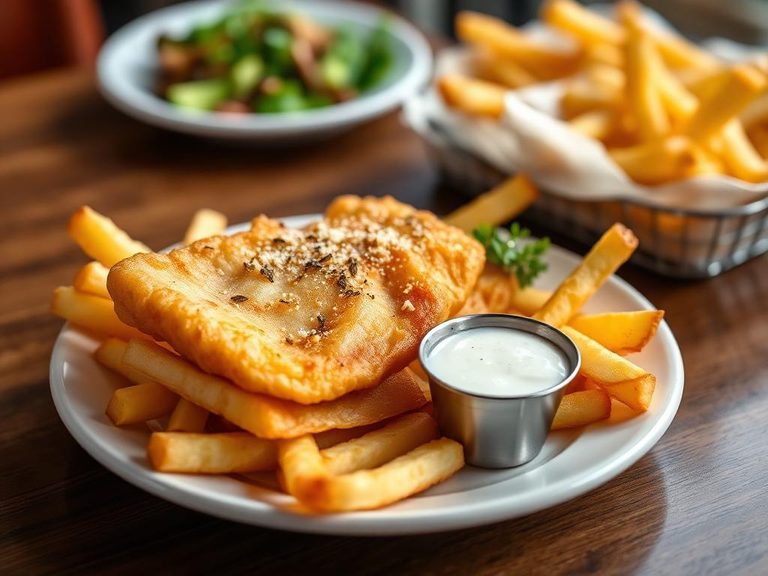



🌍 Where it's eaten
💡 Did you know?
Despite its name, the 'spot' in spot fish refers not to a marking on its body, but to a distinct black dot found on each side of its gill cover.
Full nutrition (USDA data · scales with serving)
| Water | 76.0 g |
| Energy | 123 kcal |
| Energy | 515 kj |
| Protein | 18.5 g |
| Total lipid (fat) | 4.9 g |
| Ash | 1.1 g |
| Carbohydrate, by difference | 0.00 g |
| Fiber, total dietary | 0.00 g |
| Calcium, Ca | 14.0 mg |
| Iron, Fe | 0.32 mg |
| Magnesium, Mg | 42.0 mg |
| Phosphorus, P | 186 mg |
| Potassium, K | 496 mg |
| Sodium, Na | 29.0 mg |
| Zinc, Zn | 0.51 mg |
| Copper, Cu | 0.05 mg |
| Manganese, Mn | 0.04 mg |
| Selenium, Se | 36.5 ug |
| Vitamin C, total ascorbic acid | 0.00 mg |
| Thiamin | 0.16 mg |
| Riboflavin | 0.22 mg |
| Niacin | 7.0 mg |
| Pantothenic acid | 0.75 mg |
| Vitamin B-6 | 0.40 mg |
| Folate, total | 5.0 ug |
| Folic acid | 0.00 ug |
| Folate, food | 5.0 ug |
| Folate, DFE | 5.0 ug |
| Vitamin B-12 | 3.0 ug |
| Vitamin A, RAE | 30.0 ug |
| Retinol | 30.0 ug |
| Vitamin A, IU | 100 iu |
| Alcohol, ethyl | 0.00 g |
Fat & fatty acid profile (per 100g)
| Fatty acids, total saturated | 1.4 g |
| SFA 4:0 | 0.00 g |
| SFA 6:0 | 0.00 g |
| SFA 8:0 | 0.00 g |
| SFA 10:0 | 0.00 g |
| SFA 12:0 | 0.00 g |
| SFA 14:0 | 0.11 g |
| SFA 16:0 | 1.0 g |
| SFA 18:0 | 0.31 g |
| Fatty acids, total monounsaturated | 1.3 g |
| MUFA 16:1 | 0.46 g |
| MUFA 18:1 | 0.87 g |
| MUFA 20:1 | 0.00 g |
| MUFA 22:1 | 0.00 g |
| Fatty acids, total polyunsaturated | 1.1 g |
| PUFA 18:2 | 0.04 g |
| PUFA 18:3 | 0.02 g |
| PUFA 18:4 | 0.16 g |
| PUFA 20:4 | 0.12 g |
| PUFA 20:5 n-3 (EPA) | 0.22 g |
| PUFA 22:5 n-3 (DPA) | 0.12 g |
| PUFA 22:6 n-3 (DHA) | 0.41 g |
| Cholesterol | 60.0 mg |
Amino acid profile (per 100g)
| Tryptophan | 0.21 g |
| Threonine | 0.81 g |
| Isoleucine | 0.85 g |
| Leucine | 1.5 g |
| Lysine | 1.7 g |
| Methionine | 0.55 g |
| Cystine | 0.20 g |
| Phenylalanine | 0.72 g |
| Tyrosine | 0.63 g |
| Valine | 0.95 g |
| Arginine | 1.1 g |
| Histidine | 0.55 g |
| Alanine | 1.1 g |
| Aspartic acid | 1.9 g |
| Glutamic acid | 2.8 g |
| Glycine | 0.89 g |
| Proline | 0.66 g |
| Serine | 0.76 g |
FAQ
What does spot fish taste like?
Spot has a very mild, slightly sweet flavor with a subtle, clean finish. It's less 'fishy' than stronger varieties like mackerel or salmon, making it a great choice for those new to eating fish.
What is the best way to cook spot?
Due to its lean and delicate nature, quick, high-heat cooking is ideal. Pan-searing, broiling, or grilling for just a few minutes per side works best. It's also excellent when poached or baked en papillote (in parchment paper) to lock in moisture.
Is spot fish healthy?
Yes, it's an exceptionally healthy choice. It's a lean source of complete protein, low in fat and calories, and provides important nutrients like B12, selenium, and phosphorus without any carbohydrates.
Nutrient density (calculated · NRF9.3)
Nutrient Rich Foods index: beneficial nutrients (protein, fiber, vitamins, minerals) minus saturated fat, added sugar & sodium, per 100 kcal.
NRF9.3 index — Fulgoni, Keast & Drewnowski, 2009. Computed from USDA nutrients.
Weight-loss friendliness (composite index)
Energy density 1.23 kcal/g · 60% calories from protein · 0.0 g fiber · 0.0 g sugar per 100 g.
Composite of energy density (Rolls et al., 1999), protein & fiber satiety, minus sugar. A calculated heuristic — ranks satiety-per-calorie, not a clinical measure.
Dietary load (calculated from USDA values)
Potential renal acid load. Positive = acid-forming, negative = alkaline-forming.
Sodium-to-potassium ratio: 0.06 (lower is better — aim for ≤ 1)
Sodium:potassium per WHO potassium guidance. Computed from USDA nutrients.