

Fish, salmon, Atlantic, wild, raw
Whole food · Finfish and Shellfish Products

Photo: Wikipedia
Wild Atlantic salmon is a premium, ocean-going fish prized for its deep orange-red flesh, rich flavor, and firm, flaky texture. Its vibrant color comes from a natural pigment called astaxanthin, a powerful antioxidant. Nutritionally, it's a lean protein powerhouse with a notable dose of heart-healthy omega-3 fatty acids.
Calorie split: 58% protein · 0% carbs · 42% fat
↓ Full nutrition💚 Why it's loved
People adore it for its luxurious, buttery flavor and satisfying texture that holds up beautifully to grilling, baking, or searing. It's a culinary star, central to both elegant fine dining and comforting home-cooked meals across many cultures.
⚠️ Watch-outs & how to enjoy it better
As a top predator, wild salmon can contain trace amounts of mercury, so pregnant women or those limiting mercury should consult dietary guidelines. The strong flavor can be off-putting to some, and it's a common fish allergen. To minimize any potential contaminants, choose salmon from well-managed fisheries and vary your seafood sources.
Key benefits
- Excellent source of complete, high-quality protein.
- Rich in omega-3 fatty acids (EPA and DHA) for brain and heart health.
- Provides a natural source of the antioxidant astaxanthin.
- Good source of B vitamins, especially B12 and niacin.
- Naturally low in carbohydrates and contains no added sugars.
🍽️ Popular dishes
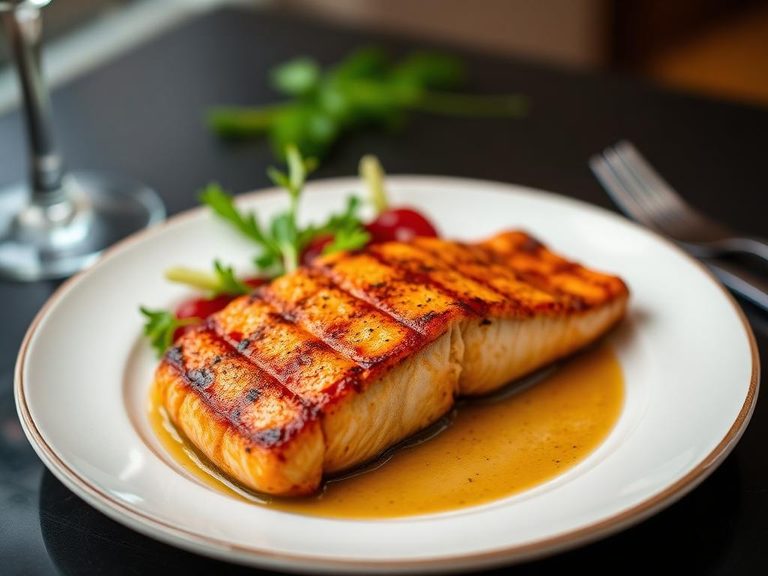
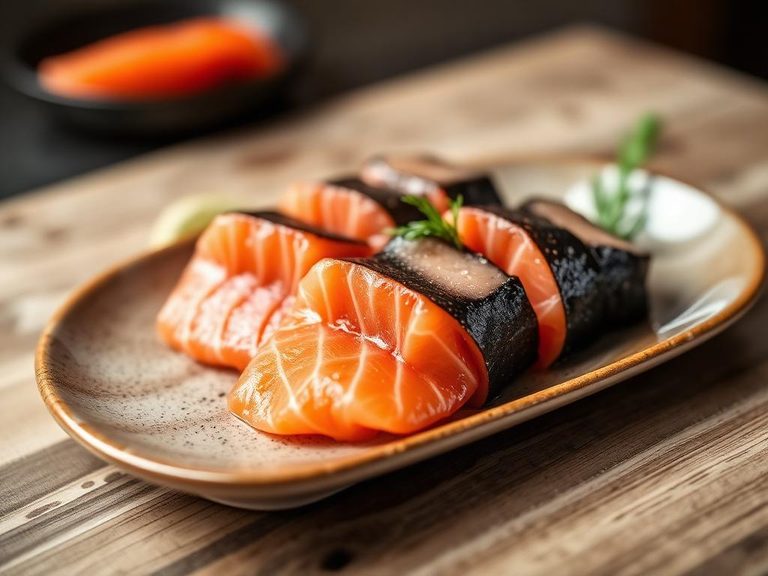
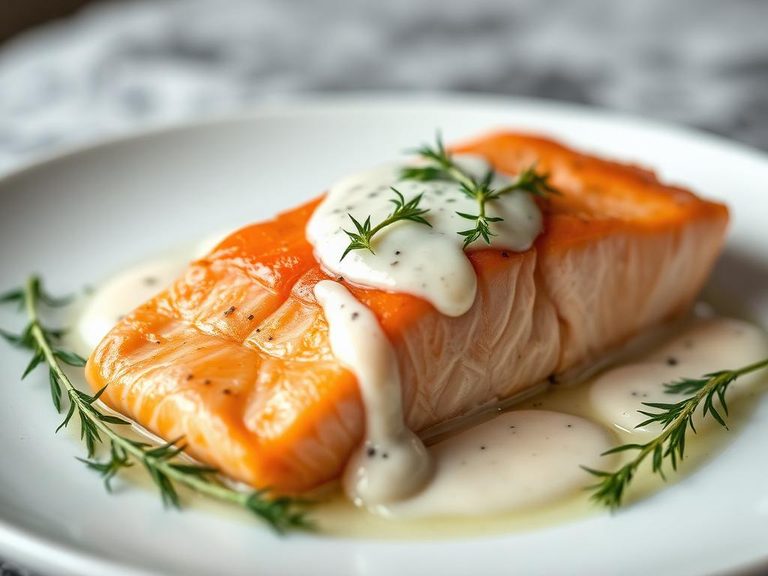
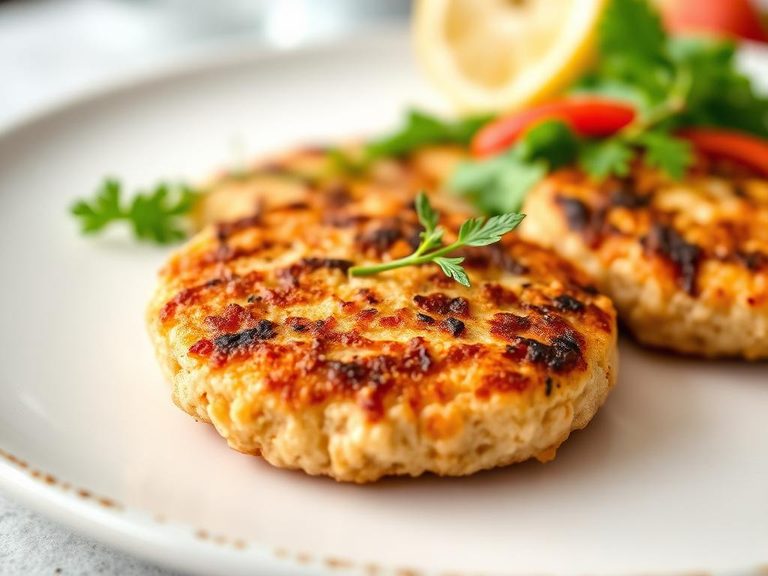
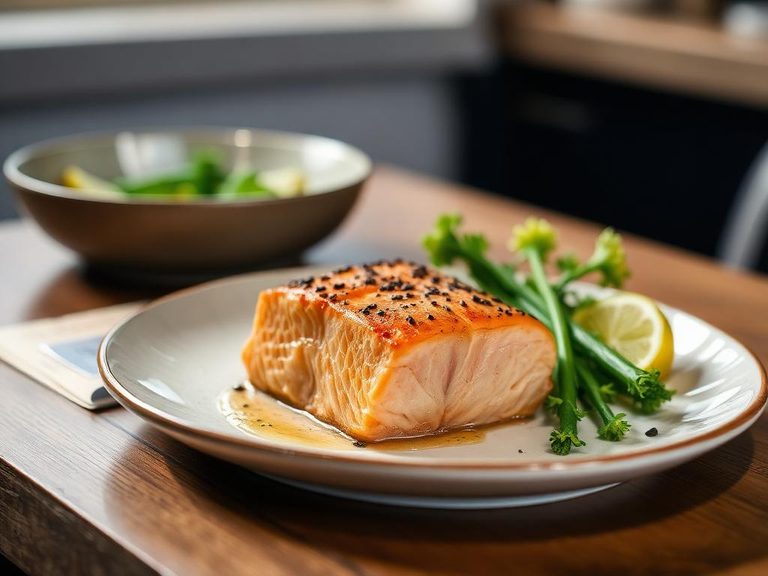
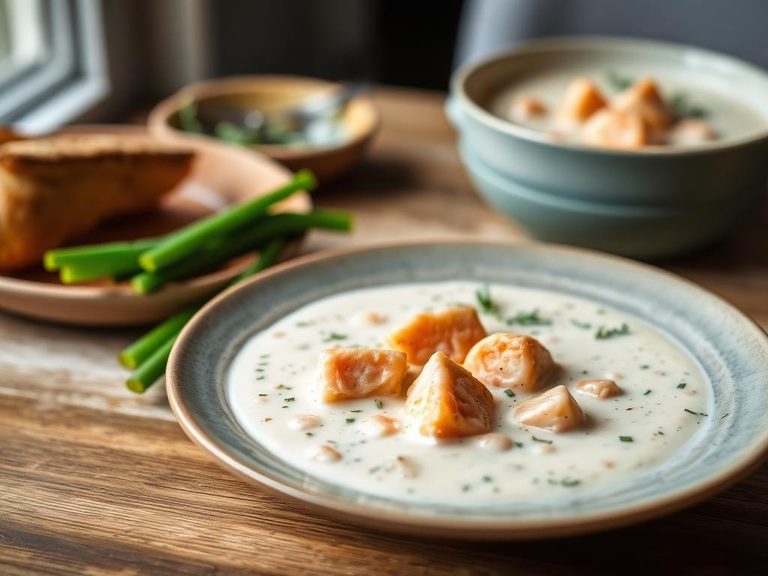
🌍 Where it's eaten
💡 Did you know?
The pink-orange color of salmon flesh is not inherent; it comes from their diet of crustaceans like shrimp and krill, which contain the pigment astaxanthin.
Full nutrition (USDA data · scales with serving)
| Water | 68.5 g |
| Energy | 142 kcal |
| Energy | 594 kj |
| Protein | 19.8 g |
| Total lipid (fat) | 6.3 g |
| Ash | 2.5 g |
| Carbohydrate, by difference | 0.00 g |
| Fiber, total dietary | 0.00 g |
| Calcium, Ca | 12.0 mg |
| Iron, Fe | 0.80 mg |
| Magnesium, Mg | 29.0 mg |
| Phosphorus, P | 200 mg |
| Potassium, K | 490 mg |
| Sodium, Na | 44.0 mg |
| Zinc, Zn | 0.64 mg |
| Copper, Cu | 0.25 mg |
| Manganese, Mn | 0.02 mg |
| Selenium, Se | 36.5 ug |
| Vitamin C, total ascorbic acid | 0.00 mg |
| Thiamin | 0.23 mg |
| Riboflavin | 0.38 mg |
| Niacin | 7.9 mg |
| Pantothenic acid | 1.7 mg |
| Vitamin B-6 | 0.82 mg |
| Folate, total | 25.0 ug |
| Folic acid | 0.00 ug |
| Folate, food | 25.0 ug |
| Folate, DFE | 25.0 ug |
| Vitamin B-12 | 3.2 ug |
| Vitamin A, RAE | 12.0 ug |
| Retinol | 12.0 ug |
| Vitamin A, IU | 40.0 iu |
Fat & fatty acid profile (per 100g)
| Fatty acids, total saturated | 0.98 g |
| SFA 14:0 | 0.14 g |
| SFA 16:0 | 0.63 g |
| SFA 18:0 | 0.21 g |
| Fatty acids, total monounsaturated | 2.1 g |
| MUFA 16:1 | 0.25 g |
| MUFA 18:1 | 1.4 g |
| MUFA 20:1 | 0.22 g |
| MUFA 22:1 | 0.28 g |
| Fatty acids, total polyunsaturated | 2.5 g |
| PUFA 18:2 | 0.17 g |
| PUFA 18:3 | 0.29 g |
| PUFA 18:4 | 0.08 g |
| PUFA 20:4 | 0.27 g |
| PUFA 20:5 n-3 (EPA) | 0.32 g |
| PUFA 22:5 n-3 (DPA) | 0.29 g |
| PUFA 22:6 n-3 (DHA) | 1.1 g |
| Cholesterol | 55.0 mg |
Amino acid profile (per 100g)
| Tryptophan | 0.22 g |
| Threonine | 0.87 g |
| Isoleucine | 0.91 g |
| Leucine | 1.6 g |
| Lysine | 1.8 g |
| Methionine | 0.59 g |
| Cystine | 0.21 g |
| Phenylalanine | 0.78 g |
| Tyrosine | 0.67 g |
| Valine | 1.0 g |
| Arginine | 1.2 g |
| Histidine | 0.58 g |
| Alanine | 1.2 g |
| Aspartic acid | 2.0 g |
| Glutamic acid | 3.0 g |
| Glycine | 0.95 g |
| Proline | 0.70 g |
| Serine | 0.81 g |
FAQ
Is wild salmon healthier than farmed salmon?
Both are nutritious. Wild salmon is typically leaner and may have a slightly different fatty acid profile, while farmed salmon is often higher in total fat and omega-3s. The key is choosing sustainable sources for either.
Why is my salmon mushy after cooking?
This often happens from overcooking or improper thawing. To prevent it, thaw salmon slowly in the refrigerator, pat it very dry before cooking, and use a meat thermometer to pull it at 125°F (52°C) for medium-rare, as it will continue to cook.
How can I reduce the 'fishy' smell?
A strong odor can indicate age or poor handling. Soaking the salmon in milk for 20 minutes before cooking can help neutralize strong flavors. Always ensure your fish is fresh and store it properly.
Nutrient density (calculated · NRF9.3)
Nutrient Rich Foods index: beneficial nutrients (protein, fiber, vitamins, minerals) minus saturated fat, added sugar & sodium, per 100 kcal.
NRF9.3 index — Fulgoni, Keast & Drewnowski, 2009. Computed from USDA nutrients.
Weight-loss friendliness (composite index)
Energy density 1.42 kcal/g · 56% calories from protein · 0.0 g fiber · 0.0 g sugar per 100 g.
Composite of energy density (Rolls et al., 1999), protein & fiber satiety, minus sugar. A calculated heuristic — ranks satiety-per-calorie, not a clinical measure.
Dietary load (calculated from USDA values)
Potential renal acid load. Positive = acid-forming, negative = alkaline-forming.
Sodium-to-potassium ratio: 0.09 (lower is better — aim for ≤ 1)
Sodium:potassium per WHO potassium guidance. Computed from USDA nutrients.