

Fish, pike, northern, liver (Alaska Native)
Whole food · American Indian/Alaska Native Foods

Photo: Wikipedia
Pike liver is a dense, nutrient-rich organ meat with a distinct, slightly metallic and earthy flavor, often described as more intense than fish muscle. Its texture is smooth and creamy when cooked properly, similar to other fish roes or livers, making it a prized ingredient in traditional Alaska Native and northern cuisines. With a high protein content of 16.6g per 100g and moderate fat, it serves as a concentrated source of energy and essential nutrients in cold climates.
Calorie split: 43% protein · 11% carbs · 46% fat
↓ Full nutrition💚 Why it's loved
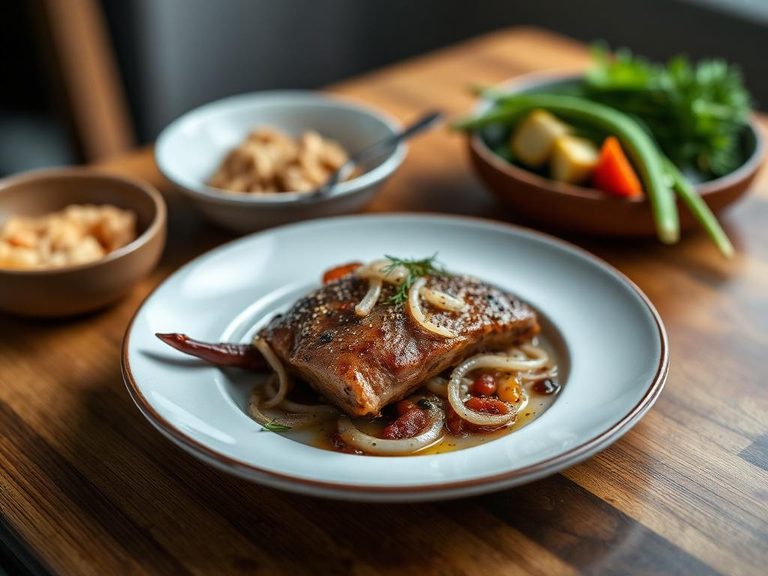
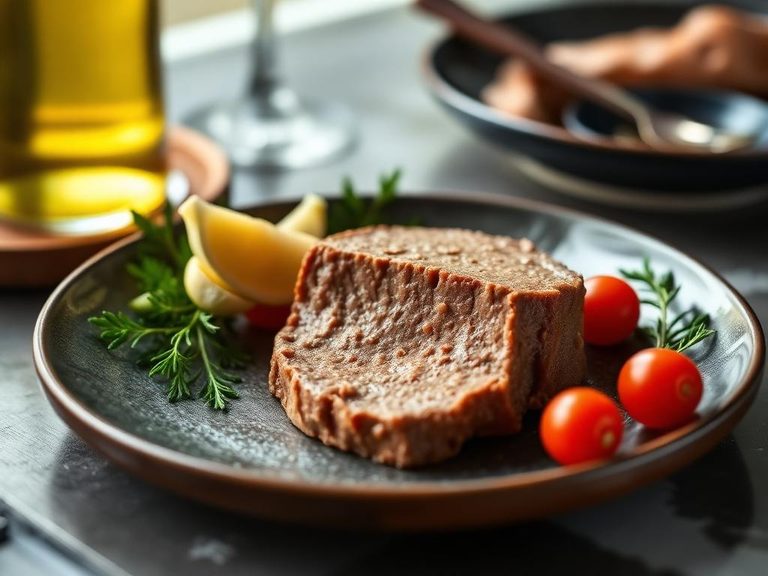
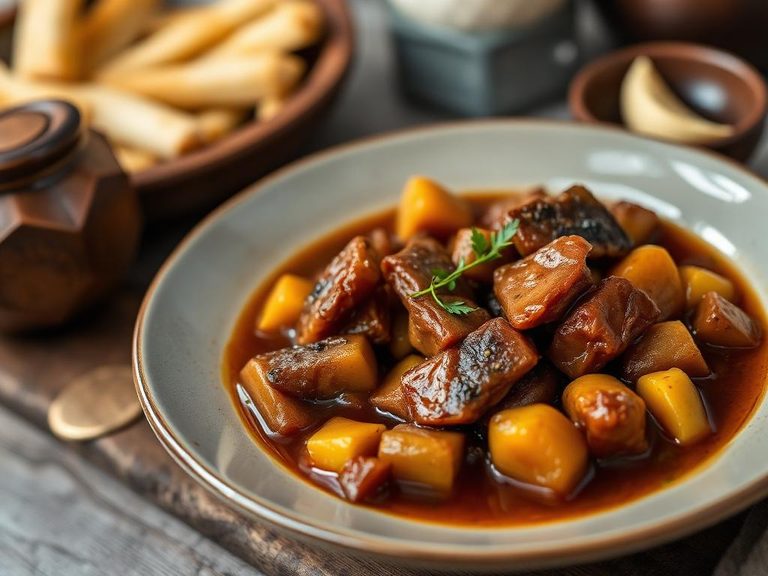
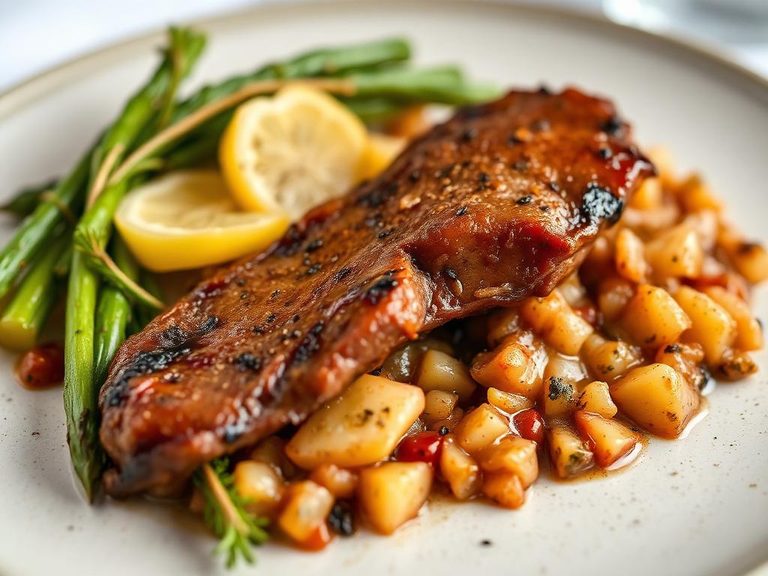
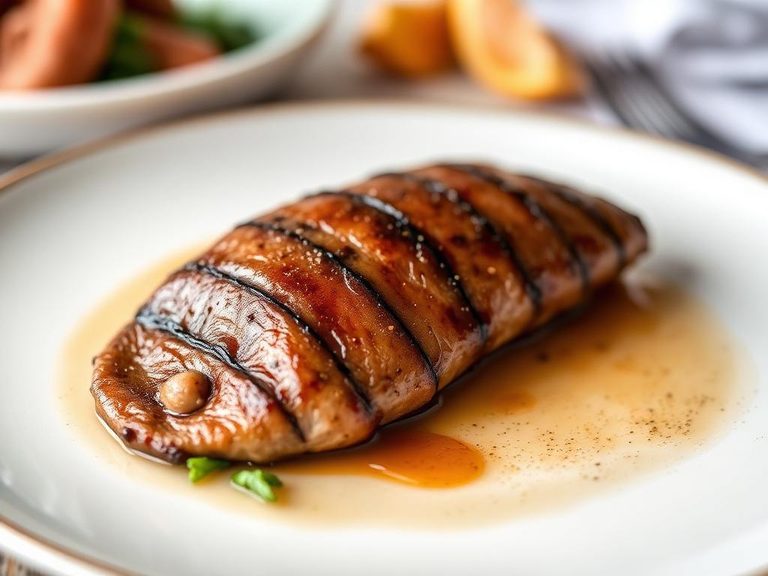
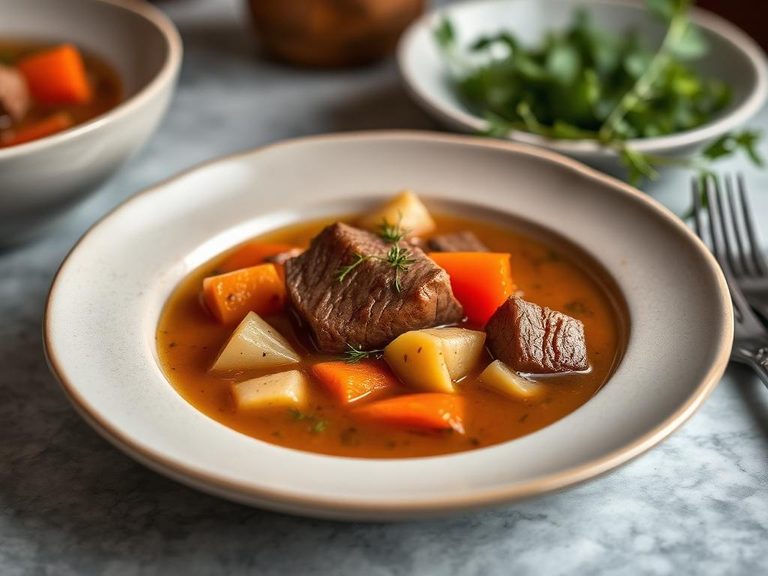
People love pike liver for its rich, umami flavor and creamy texture, which can be enjoyed fried, baked, or in traditional stews. It holds cultural significance in Alaska Native communities, often prepared as a delicacy during gatherings or as a nutrient-dense staple in winter.
⚠️ Watch-outs & how to enjoy it better
The strong, metallic taste and organ-like aroma can be off-putting to those unfamiliar with it, and its high cholesterol content may concern individuals with heart conditions. To counteract this, pair it with acidic ingredients like lemon or vinegar to cut through the richness, and consume in moderation as part of a balanced diet. Those with fish allergies should avoid it entirely.
Key benefits
- High protein content supports muscle maintenance and satiety.
- Rich in vitamin A and omega-3 fatty acids for eye and heart health.
- Low in carbohydrates, making it suitable for low-carb diets.
- Provides iron and B vitamins for energy metabolism.
- Traditional food source in Arctic regions, offering essential nutrients in harsh environments.
🍽️ Popular dishes
🌍 Where it's eaten
💡 Did you know?
Pike liver is one of the few fish organs traditionally consumed raw or lightly cooked by Alaska Native peoples, valued for its high vitamin D content which helps combat seasonal light deficiency in Arctic regions.
Full nutrition (USDA data · scales with serving)
| Water | 69.8 g |
| Energy | 156 kcal |
| Energy | 651 kj |
| Protein | 16.6 g |
| Total lipid (fat) | 8.0 g |
| Ash | 1.3 g |
| Carbohydrate, by difference | 4.3 g |
| Calcium, Ca | 28.0 mg |
| Iron, Fe | 2.1 mg |
| Phosphorus, P | 412 mg |
| Thiamin | 0.10 mg |
| Riboflavin | 0.70 mg |
| Niacin | 5.0 mg |
| Vitamin A, IU | 860 iu |
Fat & fatty acid profile (per 100g)
Estimated from Fish, halibut, raw, with skin (Alaska Native) — USDA does not publish this profile for Fish.
| Fatty acids, total saturated | 0.73 g |
| SFA 8:0 | 0.00 g |
| SFA 10:0 | 0.00 g |
| SFA 12:0 | 0.00 g |
| SFA 14:0 | 0.09 g |
| SFA 15:0 | 0.01 g |
| SFA 16:0 | 0.38 g |
| SFA 17:0 | 0.00 g |
| SFA 18:0 | 0.09 g |
| SFA 20:0 | 0.01 g |
| SFA 22:0 | 0.00 g |
| SFA 24:0 | 0.00 g |
| Fatty acids, total monounsaturated | 1.2 g |
| MUFA 14:1 | 0.00 g |
| MUFA 15:1 | 0.00 g |
| MUFA 16:1 | 0.23 g |
| MUFA 17:1 | 0.00 g |
| MUFA 18:1 | 0.59 g |
| MUFA 20:1 | 0.11 g |
| MUFA 22:1 | 0.00 g |
| MUFA 22:1 c | 0.00 g |
| MUFA 24:1 c | 0.01 g |
| Fatty acids, total polyunsaturated | 0.91 g |
| PUFA 18:2 | 0.02 g |
| PUFA 18:3 | 0.01 g |
| PUFA 18:3 n-3 c,c,c (ALA) | 0.01 g |
| PUFA 18:3 n-6 c,c,c | 0.00 g |
| PUFA 18:4 | 0.00 g |
| PUFA 20:2 n-6 c,c | 0.01 g |
| PUFA 20:3 | 0.00 g |
| PUFA 20:4 | 0.03 g |
| PUFA 20:5 n-3 (EPA) | 0.22 g |
| PUFA 21:5 | 0.00 g |
| PUFA 22:4 | 0.00 g |
| PUFA 22:5 n-3 (DPA) | 0.06 g |
| PUFA 22:6 n-3 (DHA) | 0.39 g |
| Cholesterol | 72.0 mg |
Amino acid profile (per 100g)
Estimated from Fish, halibut, raw, with skin (Alaska Native) — USDA does not publish this profile for Fish.
| Tryptophan | 0.31 g |
| Threonine | 0.95 g |
| Isoleucine | 0.94 g |
| Leucine | 1.6 g |
| Lysine | 1.8 g |
| Methionine | 0.80 g |
| Cystine | 0.35 g |
| Phenylalanine | 0.82 g |
| Tyrosine | 0.70 g |
| Valine | 1.0 g |
| Arginine | 1.2 g |
| Histidine | 0.50 g |
| Alanine | 1.2 g |
| Aspartic acid | 2.8 g |
| Glutamic acid | 3.2 g |
| Glycine | 0.93 g |
| Proline | 0.73 g |
| Serine | 0.91 g |
| Hydroxyproline | 0.18 g |
FAQ
Is pike liver safe to eat raw?
While some traditional preparations involve raw or lightly cooked pike liver, it is generally recommended to cook it thoroughly to reduce the risk of parasites or bacteria, especially if sourced from wild fish.
How does pike liver compare nutritionally to other fish livers?
Pike liver is similar to other fish livers like cod or halibut in protein and fat content, but it is particularly high in vitamin A and omega-3s, making it a nutrient-dense option.
Can I substitute pike liver in recipes that call for other fish livers?
Yes, pike liver can often be substituted for other fish livers in recipes, though its slightly stronger flavor may require adjustments in seasoning, such as adding more herbs or citrus.
Weight-loss friendliness (composite index)
Energy density 1.56 kcal/g · 43% calories from protein · 0.0 g fiber · 0.0 g sugar per 100 g.
Composite of energy density (Rolls et al., 1999), protein & fiber satiety, minus sugar. A calculated heuristic — ranks satiety-per-calorie, not a clinical measure.