

Duck, domesticated, liver, raw
Whole food · Poultry Products

Photo: Wikipedia
Domesticated duck liver is a rich, velvety organ meat with a deep, mineral-forward flavor and a smooth, creamy texture when raw. It's a nutrient-dense powerhouse, exceptionally high in protein and packed with essential vitamins like A and B12, as well as iron and copper.
Calorie split: 57% protein · 11% carbs · 32% fat
↓ Full nutrition💚 Why it's loved
People love duck liver for its intense, luxurious flavor that forms the base of classic pâtés and foie gras. Its versatility allows it to be seared simply, blended into rich mousses, or used to deepen the flavor of sauces and stuffings.
⚠️ Watch-outs & how to enjoy it better
Due to its high cholesterol and purine content, individuals with gout, hyperlipidemia, or specific heart conditions should consume it in strict moderation. To mitigate this, pair it with fiber-rich vegetables like steamed greens or a bitter salad, and keep portion sizes small as a condiment or occasional treat rather than a main protein.
Key benefits
- Excellent source of high-quality protein for muscle maintenance.
- Very high in vitamin B12, crucial for nerve function and red blood cell formation.
- Rich in vitamin A, supporting vision and immune health.
- Provides heme iron, which is highly absorbable for preventing iron deficiency.
- Contains significant amounts of copper and selenium.
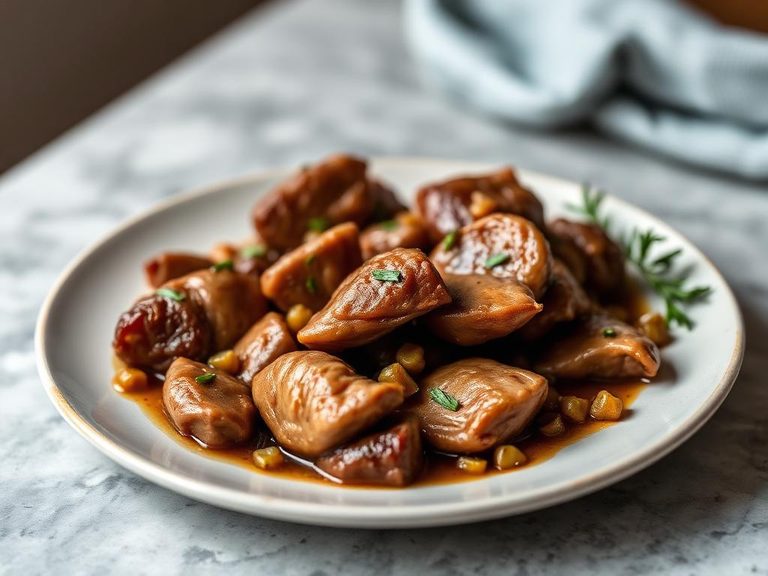
🍽️ Popular dishes
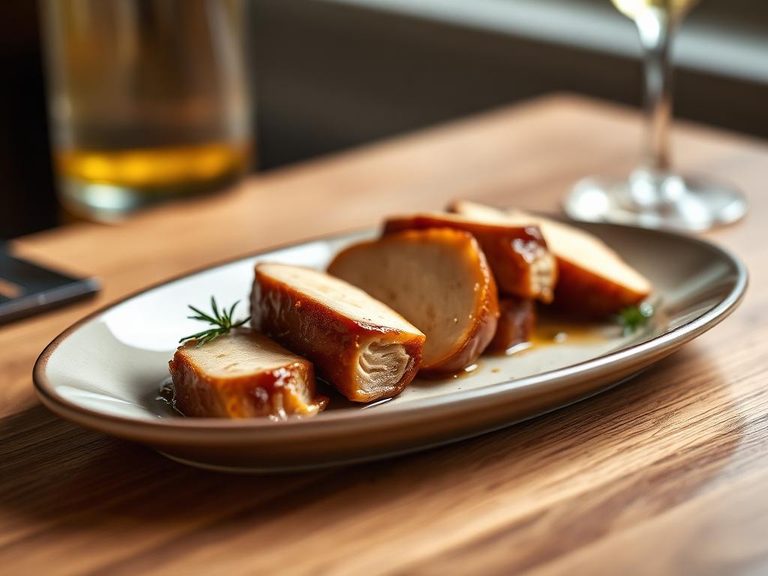
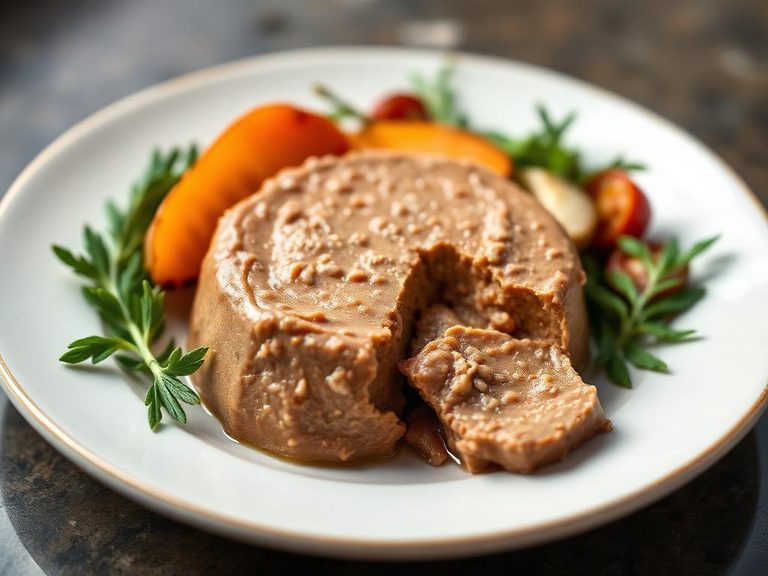
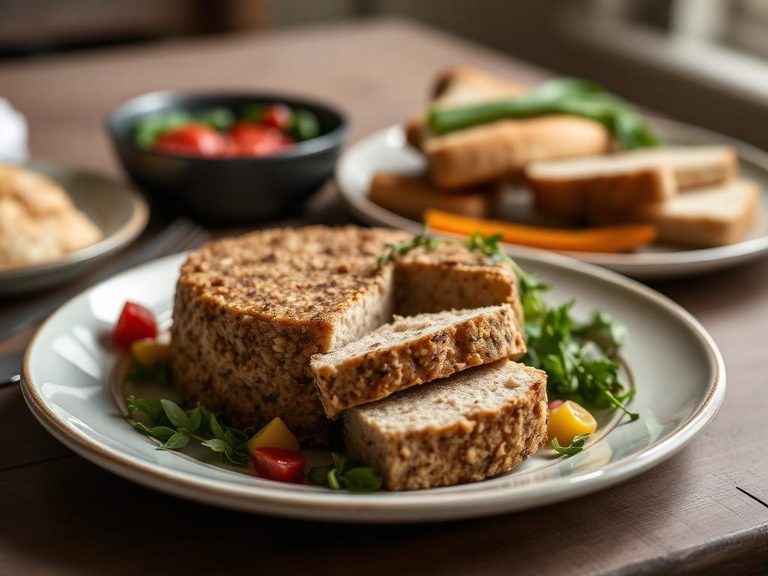
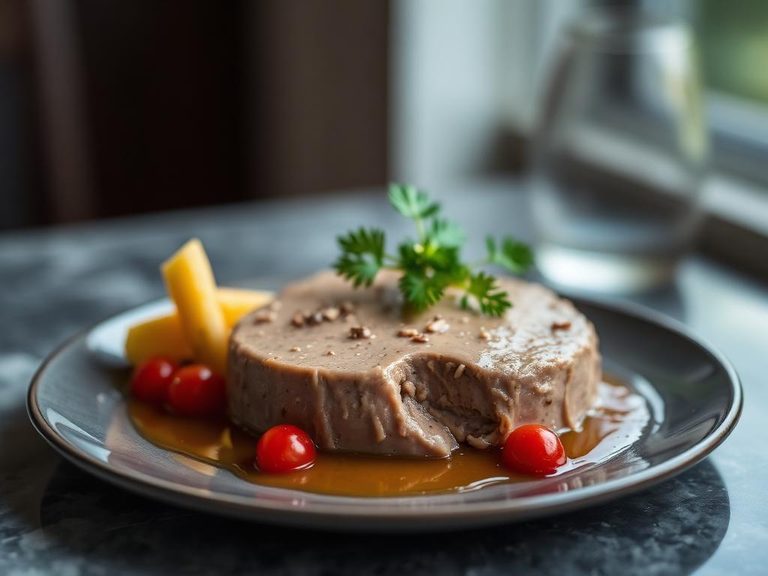
🌍 Where it's eaten
💡 Did you know?
The practice of force-feeding ducks or geese to produce enlarged livers (foie gras) dates back to ancient Egypt, where it was discovered that wild geese gorged themselves on figs before migration.
Full nutrition (USDA data · scales with serving)
| Water | 71.8 g |
| Energy | 136 kcal |
| Energy | 569 kj |
| Protein | 18.7 g |
| Total lipid (fat) | 4.6 g |
| Ash | 1.3 g |
| Carbohydrate, by difference | 3.5 g |
| Fiber, total dietary | 0.00 g |
| Calcium, Ca | 11.0 mg |
| Iron, Fe | 30.5 mg |
| Magnesium, Mg | 24.0 mg |
| Phosphorus, P | 269 mg |
| Potassium, K | 230 mg |
| Sodium, Na | 140 mg |
| Zinc, Zn | 3.1 mg |
| Copper, Cu | 6.0 mg |
| Manganese, Mn | 0.26 mg |
| Selenium, Se | 67.0 ug |
| Vitamin C, total ascorbic acid | 4.5 mg |
| Thiamin | 0.56 mg |
| Riboflavin | 0.89 mg |
| Niacin | 6.5 mg |
| Pantothenic acid | 6.2 mg |
| Vitamin B-6 | 0.76 mg |
| Folate, total | 738 ug |
| Folic acid | 0.00 ug |
| Folate, food | 738 ug |
| Folate, DFE | 738 ug |
| Vitamin B-12 | 54.0 ug |
| Vitamin A, RAE | 11984 ug |
| Retinol | 11984 ug |
| Vitamin A, IU | 39907 iu |
Fat & fatty acid profile (per 100g)
| Fatty acids, total saturated | 1.4 g |
| SFA 10:0 | 0.00 g |
| SFA 12:0 | 0.00 g |
| SFA 14:0 | 0.01 g |
| SFA 16:0 | 0.80 g |
| SFA 18:0 | 0.63 g |
| Fatty acids, total monounsaturated | 0.71 g |
| MUFA 16:1 | 0.05 g |
| MUFA 18:1 | 0.65 g |
| MUFA 20:1 | 0.00 g |
| MUFA 22:1 | 0.00 g |
| Fatty acids, total polyunsaturated | 0.63 g |
| PUFA 18:2 | 0.37 g |
| PUFA 18:3 | 0.00 g |
| PUFA 20:4 | 0.26 g |
| PUFA 20:5 n-3 (EPA) | 0.00 g |
| PUFA 22:5 n-3 (DPA) | 0.00 g |
| PUFA 22:6 n-3 (DHA) | 0.00 g |
| Cholesterol | 515 mg |
Amino acid profile (per 100g)
| Tryptophan | 0.26 g |
| Threonine | 0.83 g |
| Isoleucine | 0.99 g |
| Leucine | 1.7 g |
| Lysine | 1.4 g |
| Methionine | 0.44 g |
| Cystine | 0.25 g |
| Phenylalanine | 0.93 g |
| Tyrosine | 0.66 g |
| Valine | 1.2 g |
| Arginine | 1.1 g |
| Histidine | 0.50 g |
| Alanine | 1.1 g |
| Aspartic acid | 1.8 g |
| Glutamic acid | 2.4 g |
| Glycine | 1.1 g |
| Proline | 0.93 g |
| Serine | 0.81 g |
FAQ
What does raw duck liver taste like?
Raw duck liver has a very strong, metallic, and mineral-rich taste with a pronounced iron-like flavor. It's much more intense than cooked liver and is almost exclusively used as an ingredient in preparations like pâté or mousse.
Is duck liver healthy?
It is exceptionally nutrient-dense, providing high-quality protein, B12, vitamin A, and iron. However, it is also high in cholesterol and purines, so it should be enjoyed in moderation as part of a balanced diet.
How is it different from chicken liver?
Duck liver is larger, has a milder, less 'gamey' flavor, and a smoother, fattier texture. It is the preferred liver for making luxurious pâtés and foie gras, while chicken liver is often used in simpler sautés or rustic pâtés.
Nutrient density (calculated · NRF9.3)
Nutrient Rich Foods index: beneficial nutrients (protein, fiber, vitamins, minerals) minus saturated fat, added sugar & sodium, per 100 kcal.
NRF9.3 index — Fulgoni, Keast & Drewnowski, 2009. Computed from USDA nutrients.
Weight-loss friendliness (composite index)
Energy density 1.36 kcal/g · 55% calories from protein · 0.0 g fiber · 0.0 g sugar per 100 g.
Composite of energy density (Rolls et al., 1999), protein & fiber satiety, minus sugar. A calculated heuristic — ranks satiety-per-calorie, not a clinical measure.
Dietary load (calculated from USDA values)
Potential renal acid load. Positive = acid-forming, negative = alkaline-forming.
Sodium-to-potassium ratio: 0.61 (lower is better — aim for ≤ 1)
Sodium:potassium per WHO potassium guidance. Computed from USDA nutrients.