

Cookies, chocolate chip, prepared from recipe, made with margarine
Whole food · Baked Products

Photo: Wikipedia
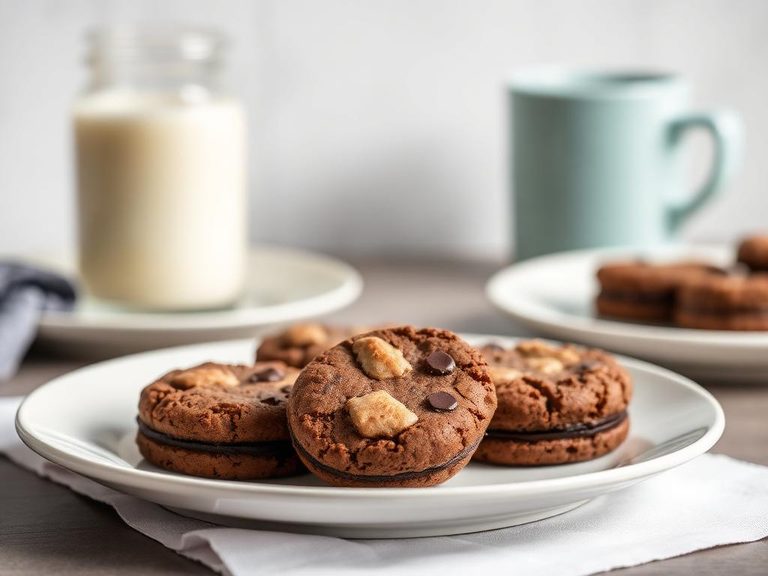
A classic, home-baked treat where a buttery, tender dough cradles pockets of sweet, melted chocolate. The texture is a delightful contrast between a slightly crisp edge and a soft, chewy center. Nutritionally, it's a dense source of energy, primarily from carbohydrates and fats.
Calorie split: 4% protein · 46% carbs · 50% fat
↓ Full nutrition💚 Why it's loved
People adore the nostalgic, comforting combination of sweet, vanilla-scented dough and rich chocolate, making it a universal symbol of home baking and sharing. Its versatility allows for endless variations, from chewy to crispy, and it pairs perfectly with a glass of milk or a cup of coffee.
⚠️ Watch-outs & how to enjoy it better
The high carbohydrate and fat content can lead to blood sugar spikes and is calorie-dense, making portion control important. Those with gluten or dairy allergies should avoid it, and the margarine used may contain trans fats. Counteract this by enjoying a single cookie as a treat, pairing it with a protein source like nuts or Greek yogurt, or opting for recipes using whole-grain flour and dark chocolate.
Key benefits
- Provides quick energy from carbohydrates
- Contains some dietary fiber from flour
- A source of plant-based protein from wheat
- Can be a mood-boosting comfort food
- Easy to customize with add-ins like nuts or oats
🍽️ Popular dishes
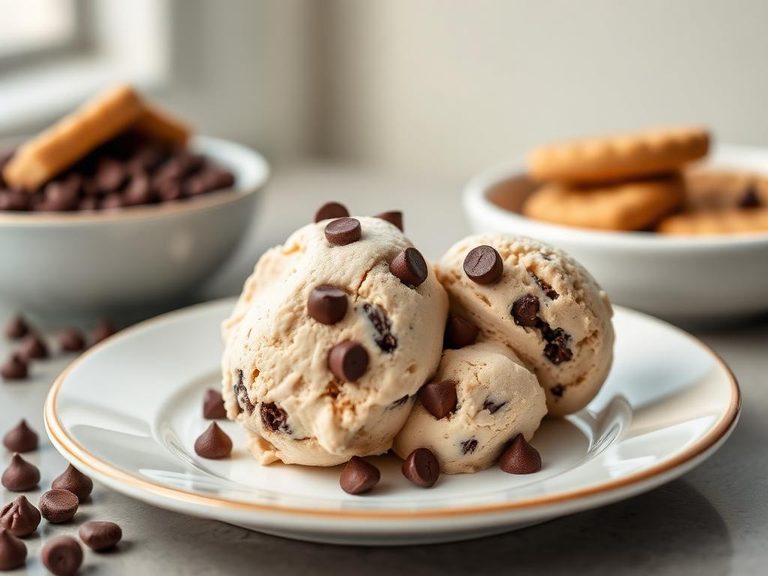
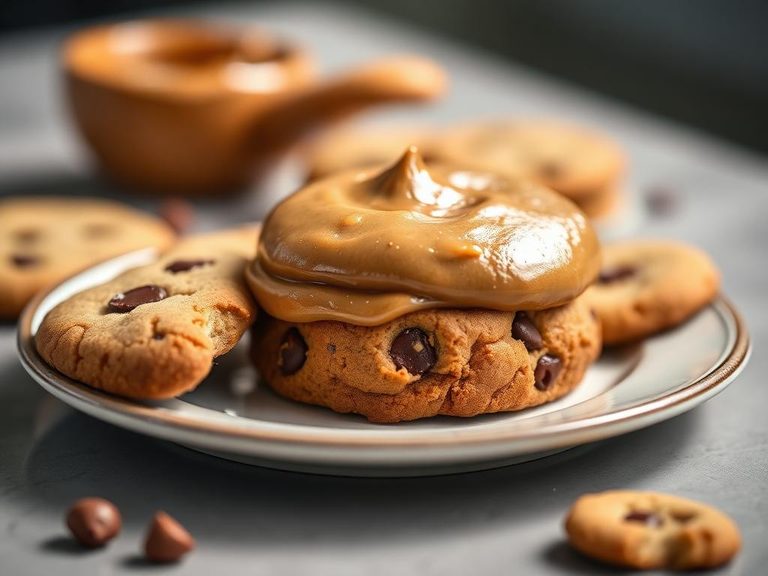
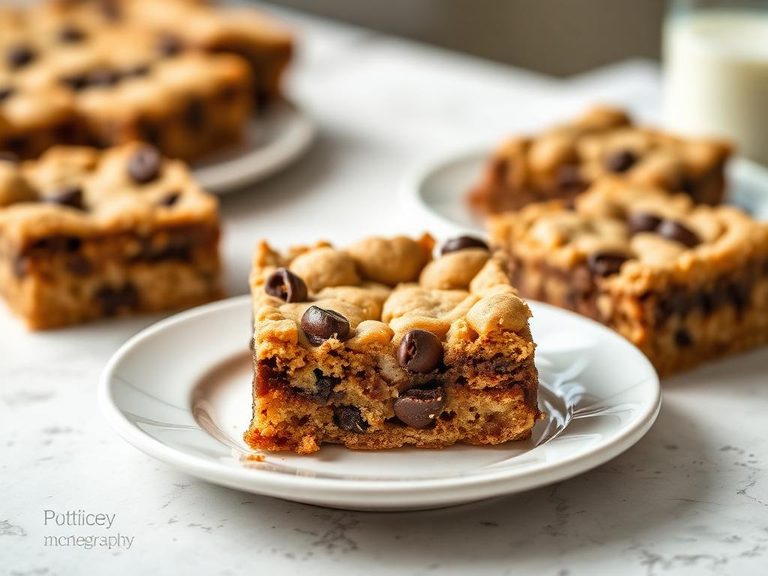
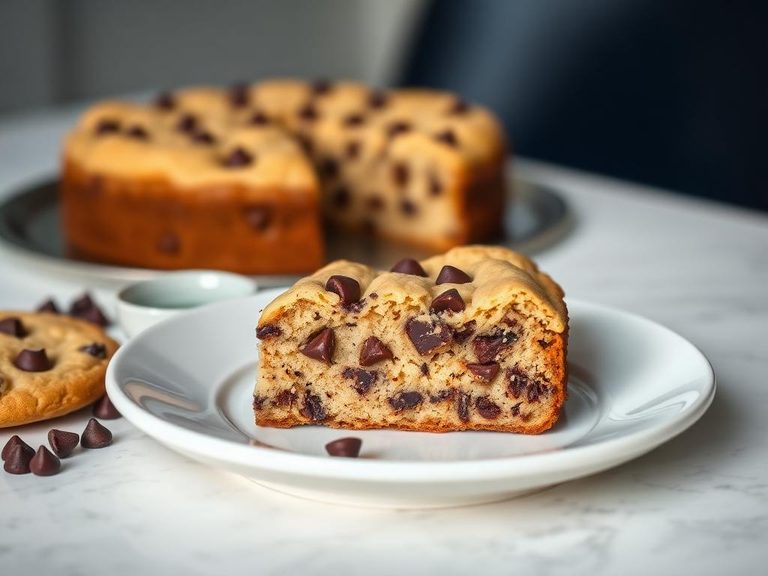
🌍 Where it's eaten
💡 Did you know?
The chocolate chip cookie was invented by accident in 1938 when Ruth Graves Wakefield, owner of the Toll House Inn, chopped up a Nestlé chocolate bar expecting it to melt completely into the dough.
Full nutrition (USDA data · scales with serving)
| Water | 5.7 g |
| Energy | 488 kcal |
| Energy | 2042 kj |
| Protein | 5.7 g |
| Total lipid (fat) | 28.3 g |
| Ash | 1.5 g |
| Carbohydrate, by difference | 58.4 g |
| Fiber, total dietary | 2.8 g |
| Calcium, Ca | 39.0 mg |
| Iron, Fe | 2.5 mg |
| Magnesium, Mg | 55.0 mg |
| Phosphorus, P | 100 mg |
| Potassium, K | 224 mg |
| Sodium, Na | 361 mg |
| Zinc, Zn | 0.93 mg |
| Copper, Cu | 0.38 mg |
| Manganese, Mn | 0.66 mg |
| Selenium, Se | 11.1 ug |
| Vitamin C, total ascorbic acid | 0.30 mg |
| Thiamin | 0.18 mg |
| Riboflavin | 0.18 mg |
| Niacin | 1.4 mg |
| Pantothenic acid | 0.26 mg |
| Vitamin B-6 | 0.09 mg |
| Folate, total | 33.0 ug |
| Folic acid | 20.0 ug |
| Folate, food | 13.0 ug |
| Folate, DFE | 47.0 ug |
| Vitamin B-12 | 0.08 ug |
| Vitamin A, RAE | 143 ug |
| Retinol | 130 ug |
| Carotene, beta | 150 ug |
| Vitamin A, IU | 683 iu |
| Alcohol, ethyl | 0.00 g |
| Caffeine | 16.0 mg |
| Theobromine | 127 mg |
Fat & fatty acid profile (per 100g)
| Fatty acids, total saturated | 8.1 g |
| SFA 4:0 | 0.00 g |
| SFA 6:0 | 0.00 g |
| SFA 8:0 | 0.00 g |
| SFA 10:0 | 0.00 g |
| SFA 12:0 | 0.00 g |
| SFA 14:0 | 0.07 g |
| SFA 16:0 | 4.4 g |
| SFA 18:0 | 3.6 g |
| Fatty acids, total monounsaturated | 10.4 g |
| MUFA 16:1 | 0.04 g |
| MUFA 18:1 | 10.3 g |
| MUFA 20:1 | 0.05 g |
| MUFA 22:1 | 0.00 g |
| Fatty acids, total polyunsaturated | 8.4 g |
| PUFA 18:2 | 7.6 g |
| PUFA 18:3 | 0.83 g |
| PUFA 18:4 | 0.00 g |
| PUFA 20:4 | 0.01 g |
| PUFA 20:5 n-3 (EPA) | 0.00 g |
| PUFA 22:5 n-3 (DPA) | 0.00 g |
| PUFA 22:6 n-3 (DHA) | 0.00 g |
| Cholesterol | 32.0 mg |
Amino acid profile (per 100g)
| Tryptophan | 0.07 g |
| Threonine | 0.19 g |
| Isoleucine | 0.22 g |
| Leucine | 0.39 g |
| Lysine | 0.21 g |
| Methionine | 0.11 g |
| Cystine | 0.11 g |
| Phenylalanine | 0.27 g |
| Tyrosine | 0.19 g |
| Valine | 0.28 g |
| Arginine | 0.38 g |
| Histidine | 0.12 g |
| Alanine | 0.23 g |
| Aspartic acid | 0.42 g |
| Glutamic acid | 1.3 g |
| Glycine | 0.22 g |
| Proline | 0.40 g |
| Serine | 0.30 g |
FAQ
Why do my cookies spread too much?
This often happens if the butter or margarine was too soft, the dough was too warm, or there wasn't enough flour. Try chilling the dough for 30 minutes before baking and ensure your oven is fully preheated.
Can I make this recipe vegan?
Yes. Substitute the margarine with a vegan butter stick, use a plant-based milk (like almond or soy), and replace any egg with a 'flax egg' (1 tbsp ground flaxseed mixed with 3 tbsp water per egg).
What's the best way to store baked cookies?
Store completely cooled cookies in an airtight container at room temperature for up to a week. To keep them soft, add a slice of bread to the container; the cookies will absorb moisture from the bread.
Nutrient density (calculated · NRF9.3)
Nutrient Rich Foods index: beneficial nutrients (protein, fiber, vitamins, minerals) minus saturated fat, added sugar & sodium, per 100 kcal.
NRF9.3 index — Fulgoni, Keast & Drewnowski, 2009. Computed from USDA nutrients.
Weight-loss friendliness (composite index)
Energy density 4.88 kcal/g · 5% calories from protein · 2.8 g fiber · 0.0 g sugar per 100 g.
Composite of energy density (Rolls et al., 1999), protein & fiber satiety, minus sugar. A calculated heuristic — ranks satiety-per-calorie, not a clinical measure.
Dietary load (calculated from USDA values)
Potential renal acid load. Positive = acid-forming, negative = alkaline-forming.
Sodium-to-potassium ratio: 1.61 (lower is better — aim for ≤ 1)
Sodium:potassium per WHO potassium guidance. Computed from USDA nutrients.