

Chicken, stewing, giblets, raw
Whole food · Poultry Products
Chicken giblets are the edible internal organs—typically liver, heart, gizzard, and sometimes neck—of a stewing chicken. They offer a distinct, mineral-rich flavor and a varied texture, from the creamy liver to the chewy gizzard. Nutritionally, they are a powerhouse of protein and essential minerals like iron and B vitamins, with very low carbohydrate content.
Calorie split: 44% protein · 5% carbs · 51% fat
↓ Full nutrition💚 Why it's loved
People love giblets for their deep, savory umami flavor that forms the backbone of traditional gravies and stuffings. They are cherished in culinary traditions worldwide as a flavorful, economical, and nose-to-tail ingredient that adds profound depth to dishes.
⚠️ Watch-outs & how to enjoy it better
The strong, metallic taste of liver can be off-putting to some, and the chewy texture of gizzards requires proper cooking. Those with gout or iron overload disorders should consume them in moderation due to high purine and iron content. To counteract this, pair them with fiber-rich vegetables and ensure they are cooked thoroughly to improve digestibility.
Key benefits
- Excellent source of high-quality protein for muscle maintenance.
- Rich in heme iron, which is easily absorbed by the body.
- Provides significant amounts of B vitamins, especially B12 and riboflavin.
- Naturally low in carbohydrates, making it suitable for low-carb diets.
- Contains essential minerals like selenium and phosphorus.
🍽️ Popular dishes
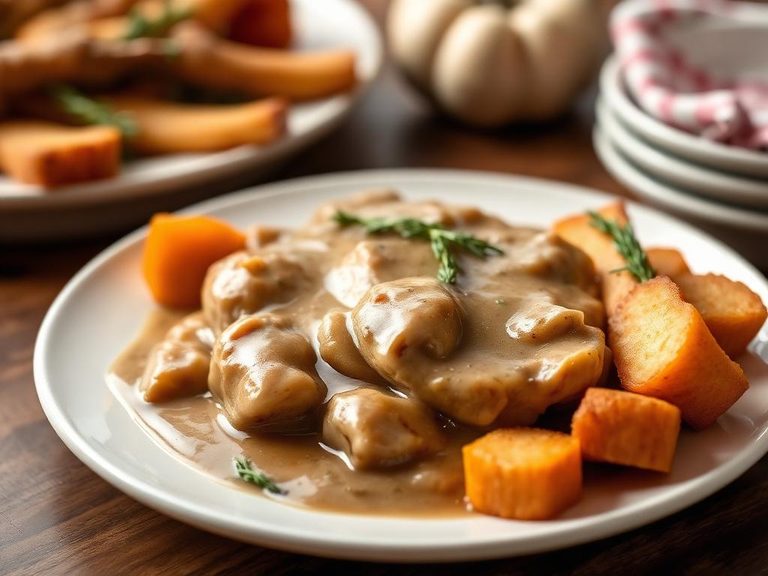
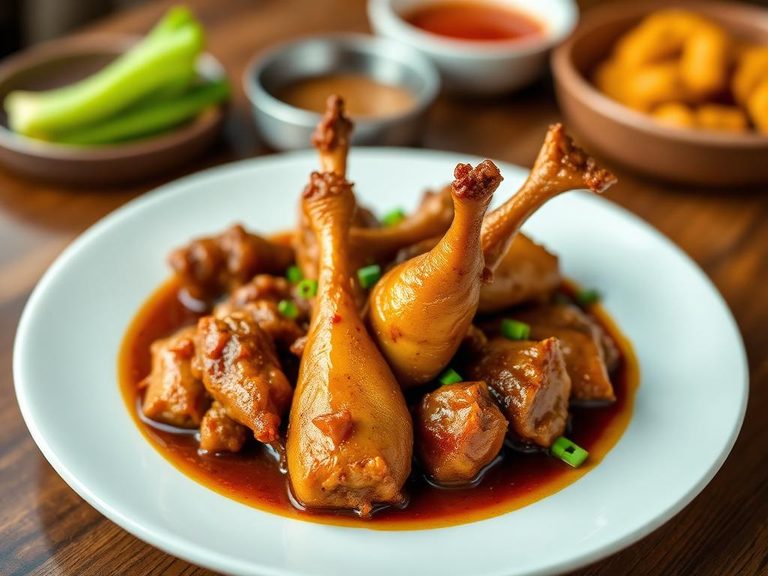
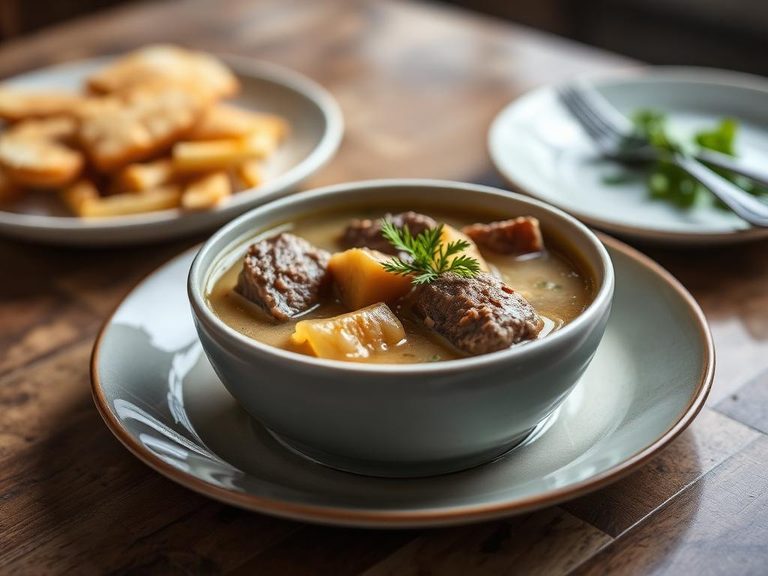
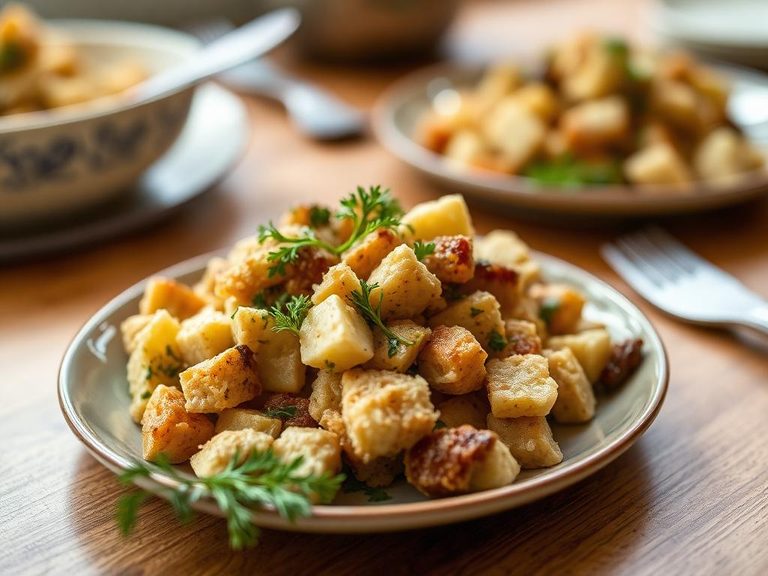
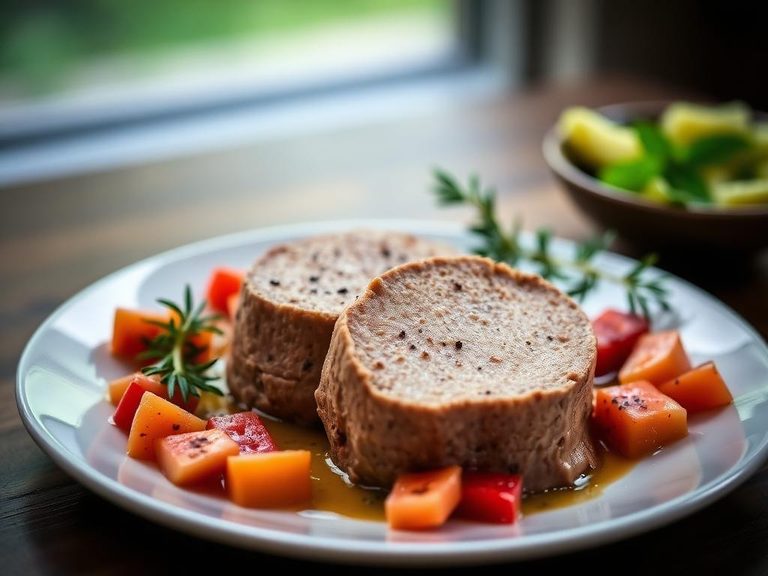
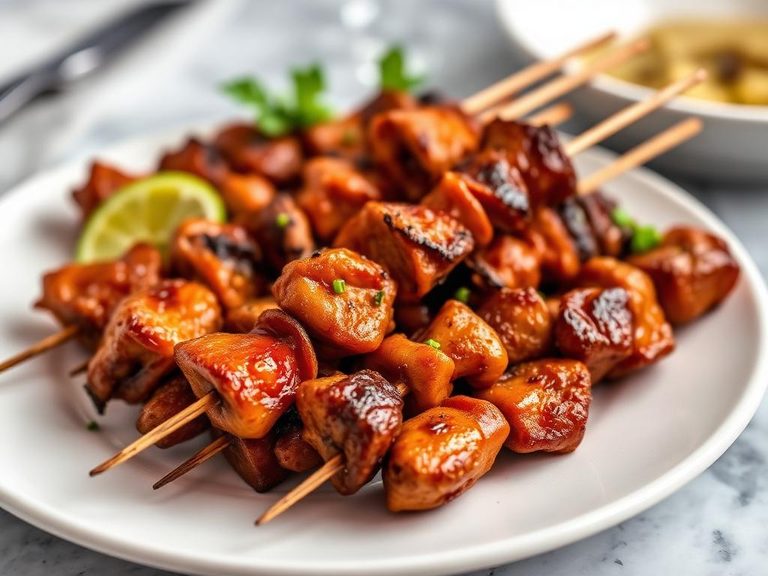
🌍 Where it's eaten
💡 Did you know?
Chicken gizzards are actually a muscular part of the bird's stomach, used to grind up food with swallowed grit or stones, which is why they have such a dense, chewy texture.
Full nutrition (USDA data · scales with serving)
| Water | 69.8 g |
| Energy | 168 kcal |
| Energy | 703 kj |
| Protein | 17.9 g |
| Total lipid (fat) | 9.2 g |
| Ash | 0.97 g |
| Carbohydrate, by difference | 2.1 g |
| Fiber, total dietary | 0.00 g |
| Calcium, Ca | 10.0 mg |
| Iron, Fe | 5.9 mg |
| Magnesium, Mg | 18.0 mg |
| Phosphorus, P | 198 mg |
| Potassium, K | 226 mg |
| Sodium, Na | 77.0 mg |
| Zinc, Zn | 3.0 mg |
| Copper, Cu | 0.28 mg |
| Manganese, Mn | 0.15 mg |
| Selenium, Se | 56.1 ug |
| Vitamin C, total ascorbic acid | 11.4 mg |
| Thiamin | 0.10 mg |
| Riboflavin | 1.1 mg |
| Niacin | 8.5 mg |
| Pantothenic acid | 3.3 mg |
| Vitamin B-6 | 0.52 mg |
| Folate, total | 350 ug |
| Folic acid | 0.00 ug |
| Folate, food | 350 ug |
| Folate, DFE | 350 ug |
| Vitamin B-12 | 10.8 ug |
| Vitamin A, RAE | 3152 ug |
| Retinol | 3152 ug |
| Vitamin A, IU | 10497 iu |
Fat & fatty acid profile (per 100g)
| Fatty acids, total saturated | 2.6 g |
| SFA 10:0 | 0.00 g |
| SFA 12:0 | 0.00 g |
| SFA 14:0 | 0.05 g |
| SFA 16:0 | 1.6 g |
| SFA 18:0 | 0.75 g |
| Fatty acids, total monounsaturated | 2.8 g |
| MUFA 16:1 | 0.31 g |
| MUFA 18:1 | 2.4 g |
| MUFA 20:1 | 0.00 g |
| MUFA 22:1 | 0.00 g |
| Fatty acids, total polyunsaturated | 2.1 g |
| PUFA 18:2 | 1.6 g |
| PUFA 18:3 | 0.05 g |
| PUFA 20:4 | 0.47 g |
| PUFA 20:5 n-3 (EPA) | 0.00 g |
| PUFA 22:5 n-3 (DPA) | 0.00 g |
| PUFA 22:6 n-3 (DHA) | 0.00 g |
| Cholesterol | 240 mg |
Amino acid profile (per 100g)
| Tryptophan | 0.20 g |
| Threonine | 0.81 g |
| Isoleucine | 0.90 g |
| Leucine | 1.4 g |
| Lysine | 1.3 g |
| Methionine | 0.45 g |
| Cystine | 0.24 g |
| Phenylalanine | 0.81 g |
| Tyrosine | 0.59 g |
| Valine | 0.95 g |
| Arginine | 1.2 g |
| Histidine | 0.42 g |
| Alanine | 0.87 g |
| Aspartic acid | 1.7 g |
| Glutamic acid | 2.7 g |
| Glycine | 0.98 g |
| Proline | 0.91 g |
| Serine | 0.78 g |
FAQ
What exactly is included in 'chicken giblets'?
Typically, a giblet package contains the heart, liver, gizzard, and often the neck. The liver is dark red and soft, the heart is small and muscular, the gizzard is a dense, round muscle, and the neck is bony with some meat.
How should I prepare them before cooking?
Rinse them thoroughly under cold water. Remove any green or white sacs from the liver, as these are bitter. Trim excess fat and any silverskin from the gizzard. Pat them dry before cooking.
What's the best way to cook gizzards so they aren't tough?
Gizzards require long, slow cooking to become tender. Simmering them in a stew, braising, or pressure cooking are ideal methods. Quick, high-heat cooking like frying will make them very tough and chewy.
Are chicken giblets safe to eat?
Yes, when handled and cooked properly. They should be kept refrigerated, cooked to an internal temperature of 165°F (74°C), and consumed within a day or two of cooking. The liver is a filter organ, so sourcing from a reputable supplier is advisable.
Nutrient density (calculated · NRF9.3)
Nutrient Rich Foods index: beneficial nutrients (protein, fiber, vitamins, minerals) minus saturated fat, added sugar & sodium, per 100 kcal.
NRF9.3 index — Fulgoni, Keast & Drewnowski, 2009. Computed from USDA nutrients.
Weight-loss friendliness (composite index)
Energy density 1.68 kcal/g · 43% calories from protein · 0.0 g fiber · 0.0 g sugar per 100 g.
Composite of energy density (Rolls et al., 1999), protein & fiber satiety, minus sugar. A calculated heuristic — ranks satiety-per-calorie, not a clinical measure.
Dietary load (calculated from USDA values)
Potential renal acid load. Positive = acid-forming, negative = alkaline-forming.
Sodium-to-potassium ratio: 0.34 (lower is better — aim for ≤ 1)
Sodium:potassium per WHO potassium guidance. Computed from USDA nutrients.