

Chicken, roasting, giblets, raw
Whole food · Poultry Products
Raw chicken giblets are the edible internal organs—typically the heart, liver, gizzard, and neck—removed from a roasting chicken before cooking. They have a dense, muscular texture (especially the gizzard) and a rich, mineral-forward flavor that is more intense than the meat itself. Nutritionally, they are a powerhouse of protein and iron, with very low fat and no carbohydrates.
Calorie split: 59% protein · 4% carbs · 37% fat
↓ Full nutrition💚 Why it's loved
People love giblets for their deep, savory flavor that adds incredible richness to gravies, stocks, and stuffings. They are a cherished ingredient in many culinary traditions, often used to create a flavorful base or a hearty, rustic dish.
⚠️ Watch-outs & how to enjoy it better
The strong, mineral taste and specific textures (like the chewy gizzard) can be off-putting to some. The liver, in particular, is very high in vitamin A (retinol), so excessive consumption should be avoided by those who are pregnant. **Tip:** To milder the flavor, soak giblets in cold water or milk for an hour before cooking, and ensure they are cooked thoroughly to a safe internal temperature.
Key benefits
- Excellent source of high-quality protein (18g per 100g).
- Rich in heme iron, which is highly absorbable.
- Very low in fat and carbohydrates.
- Contains B vitamins, especially B12, from organ meats.
- A traditional, nose-to-tail ingredient that reduces food waste.
🍽️ Popular dishes
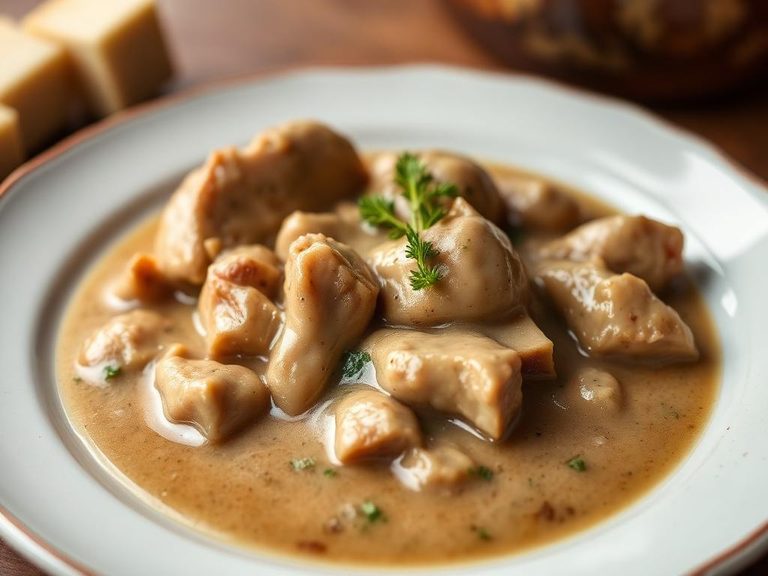
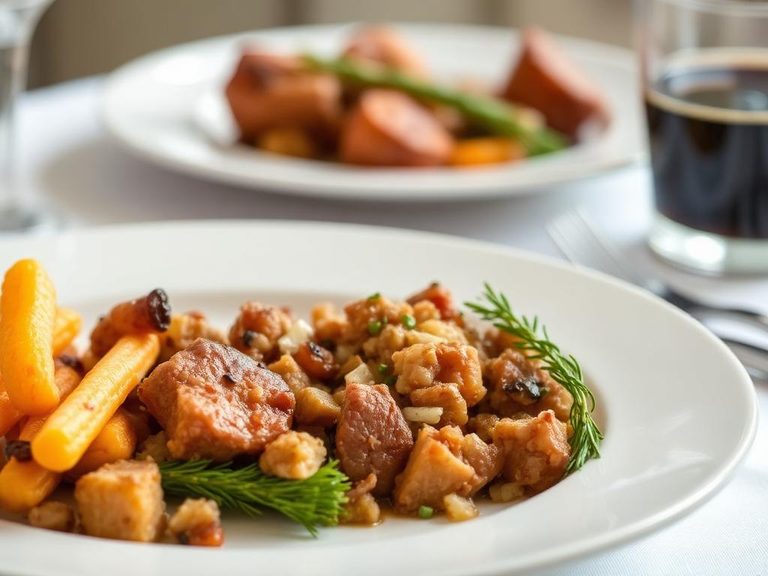
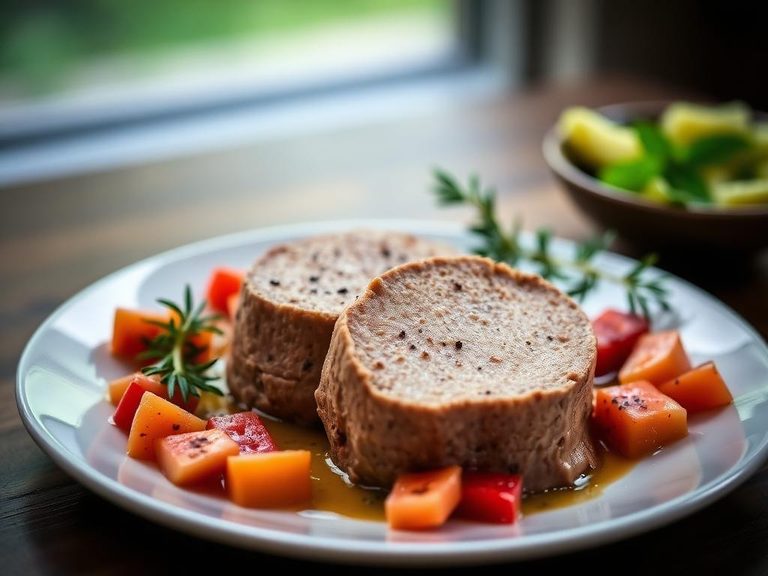
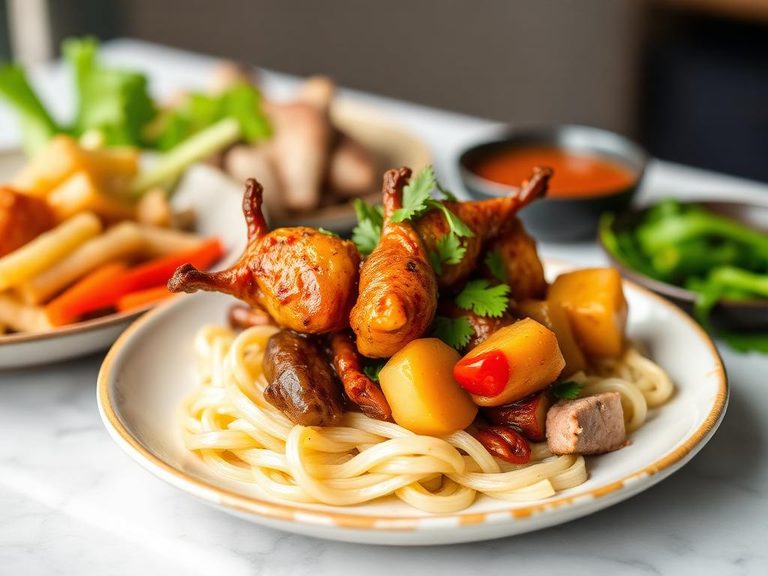
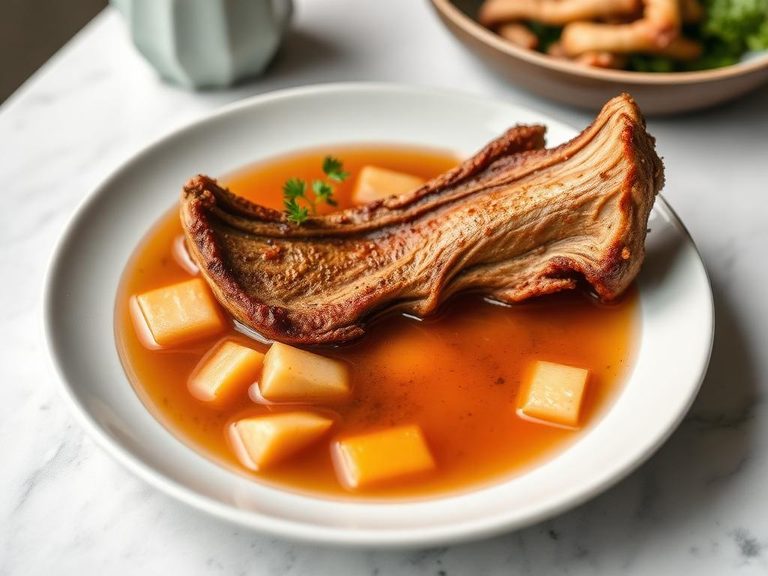
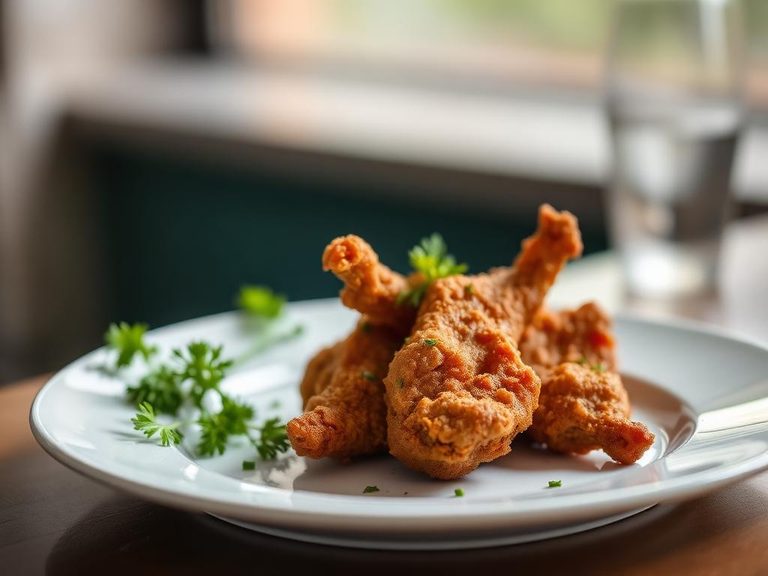
🌍 Where it's eaten
💡 Did you know?
The gizzard is a muscular part of the bird's stomach that contains grit (small stones) to help grind up food, which is why it has such a uniquely tough, chewy texture.
Full nutrition (USDA data · scales with serving)
| Water | 74.7 g |
| Energy | 127 kcal |
| Energy | 531 kj |
| Protein | 18.1 g |
| Total lipid (fat) | 5.0 g |
| Ash | 0.95 g |
| Carbohydrate, by difference | 1.1 g |
| Fiber, total dietary | 0.00 g |
| Calcium, Ca | 10.0 mg |
| Iron, Fe | 5.4 mg |
| Magnesium, Mg | 17.0 mg |
| Phosphorus, P | 184 mg |
| Potassium, K | 227 mg |
| Sodium, Na | 77.0 mg |
| Zinc, Zn | 3.4 mg |
| Copper, Cu | 0.22 mg |
| Manganese, Mn | 0.13 mg |
| Selenium, Se | 54.1 ug |
| Vitamin C, total ascorbic acid | 13.1 mg |
| Thiamin | 0.08 mg |
| Riboflavin | 0.82 mg |
| Niacin | 6.2 mg |
| Pantothenic acid | 2.7 mg |
| Vitamin B-6 | 0.36 mg |
| Folate, total | 276 ug |
| Folic acid | 0.00 ug |
| Folate, food | 276 ug |
| Folate, DFE | 276 ug |
| Vitamin B-12 | 9.4 ug |
| Vitamin A, RAE | 2880 ug |
| Retinol | 2880 ug |
| Vitamin A, IU | 9592 iu |
Fat & fatty acid profile (per 100g)
| Fatty acids, total saturated | 1.5 g |
| SFA 10:0 | 0.00 g |
| SFA 12:0 | 0.00 g |
| SFA 14:0 | 0.03 g |
| SFA 16:0 | 0.85 g |
| SFA 18:0 | 0.53 g |
| Fatty acids, total monounsaturated | 1.3 g |
| MUFA 16:1 | 0.19 g |
| MUFA 18:1 | 1.1 g |
| MUFA 20:1 | 0.01 g |
| MUFA 22:1 | 0.00 g |
| Fatty acids, total polyunsaturated | 1.3 g |
| PUFA 18:2 | 0.87 g |
| PUFA 18:3 | 0.03 g |
| PUFA 20:4 | 0.31 g |
| PUFA 20:5 n-3 (EPA) | 0.01 g |
| PUFA 22:5 n-3 (DPA) | 0.00 g |
| PUFA 22:6 n-3 (DHA) | 0.02 g |
| Cholesterol | 236 mg |
Amino acid profile (per 100g)
| Tryptophan | 0.20 g |
| Threonine | 0.82 g |
| Isoleucine | 0.90 g |
| Leucine | 1.4 g |
| Lysine | 1.3 g |
| Methionine | 0.46 g |
| Cystine | 0.24 g |
| Phenylalanine | 0.81 g |
| Tyrosine | 0.59 g |
| Valine | 0.94 g |
| Arginine | 1.2 g |
| Histidine | 0.41 g |
| Alanine | 0.87 g |
| Aspartic acid | 1.7 g |
| Glutamic acid | 2.8 g |
| Glycine | 0.99 g |
| Proline | 0.93 g |
| Serine | 0.80 g |
FAQ
What parts are included in 'chicken giblets'?
A standard giblet package typically contains the heart, liver, gizzard, and often the neck. The liver is the softest, the gizzard is the toughest, and the heart is in between.
How should I clean and prepare raw giblets?
Rinse them thoroughly under cold water. Trim any excess fat, silverskin, or connective tissue from the heart and gizzard. Pat them completely dry before cooking.
Can I eat the liver raw or undercooked?
No. For food safety, all poultry organs, including the liver, should be cooked to an internal temperature of 165°F (74°C) to eliminate the risk of Salmonella or other pathogens.
What's the best way to use the neck?
The neck is bony and not great for eating directly, but it's perfect for simmering in water to make a rich, flavorful stock or broth, which is the ideal base for gravies and soups.
Nutrient density (calculated · NRF9.3)
Nutrient Rich Foods index: beneficial nutrients (protein, fiber, vitamins, minerals) minus saturated fat, added sugar & sodium, per 100 kcal.
NRF9.3 index — Fulgoni, Keast & Drewnowski, 2009. Computed from USDA nutrients.
Weight-loss friendliness (composite index)
Energy density 1.27 kcal/g · 57% calories from protein · 0.0 g fiber · 0.0 g sugar per 100 g.
Composite of energy density (Rolls et al., 1999), protein & fiber satiety, minus sugar. A calculated heuristic — ranks satiety-per-calorie, not a clinical measure.
Dietary load (calculated from USDA values)
Potential renal acid load. Positive = acid-forming, negative = alkaline-forming.
Sodium-to-potassium ratio: 0.34 (lower is better — aim for ≤ 1)
Sodium:potassium per WHO potassium guidance. Computed from USDA nutrients.