

Chicken, broilers or fryers, neck, meat and skin, raw
Whole food · Poultry Products

Photo: Wikipedia
Chicken necks are the bony, skin-covered vertebrae connecting the head to the body, offering a unique combination of tender meat, gelatinous skin, and rich connective tissue. When raw, they have a deep pink hue and a distinct, gamey poultry aroma. Nutritionally, they are a dense source of fat and protein, providing a significant caloric boost with virtually no carbohydrates.
Calorie split: 19% protein · 0% carbs · 81% fat
↓ Full nutrition💚 Why it's loved
People cherish chicken necks for their intensely savory, concentrated chicken flavor and the satisfying, textural contrast between the tender meat, soft skin, and edible cartilage. They are a beloved staple in soul food, barbecue, and home-style cooking, prized for their ability to transform simple dishes into deeply flavorful meals.
⚠️ Watch-outs & how to enjoy it better
Due to their high fat content and lack of carbohydrates, they are not suitable for low-fat or ketogenic diets, and the calorie density requires portion awareness. The bony structure can be challenging to eat neatly, and they may not be appealing to those who prefer lean, boneless cuts. To counteract, pair with high-fiber vegetables like roasted broccoli or a leafy salad to add volume and balance the meal.
Key benefits
- Excellent source of complete protein for muscle maintenance
- Rich in collagen and gelatin from skin and connective tissue
- Provides essential minerals like iron and zinc
- High in energy-dense fats for sustained fuel
- A cost-effective cut for nutrient-rich broths and stocks
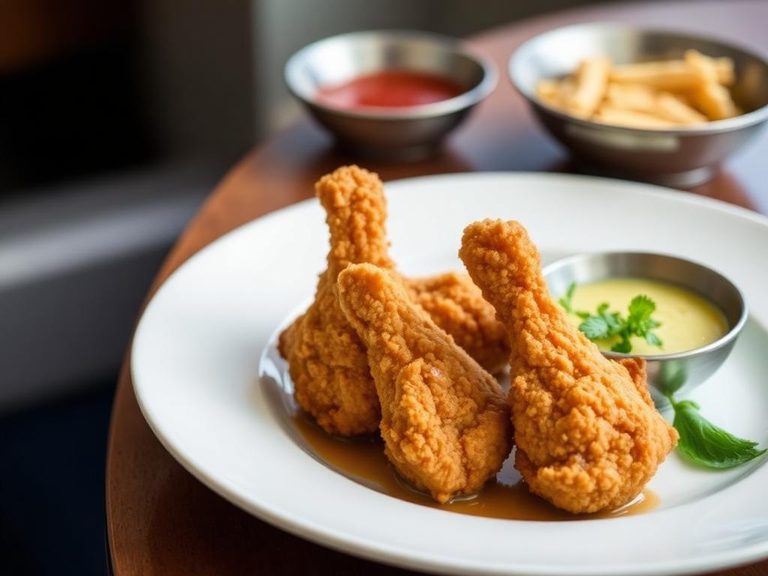
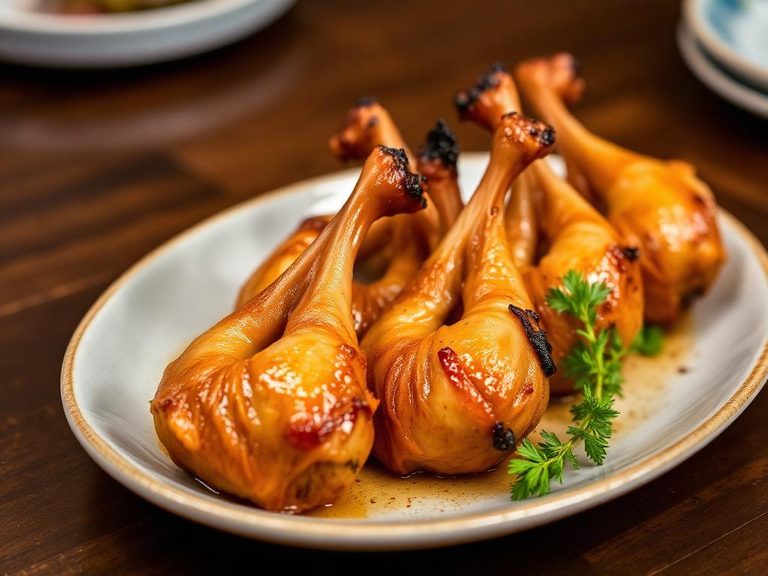
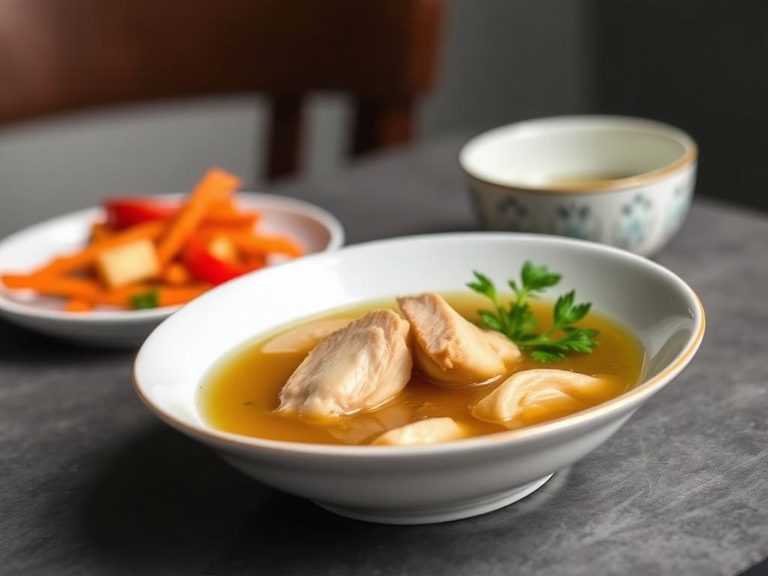
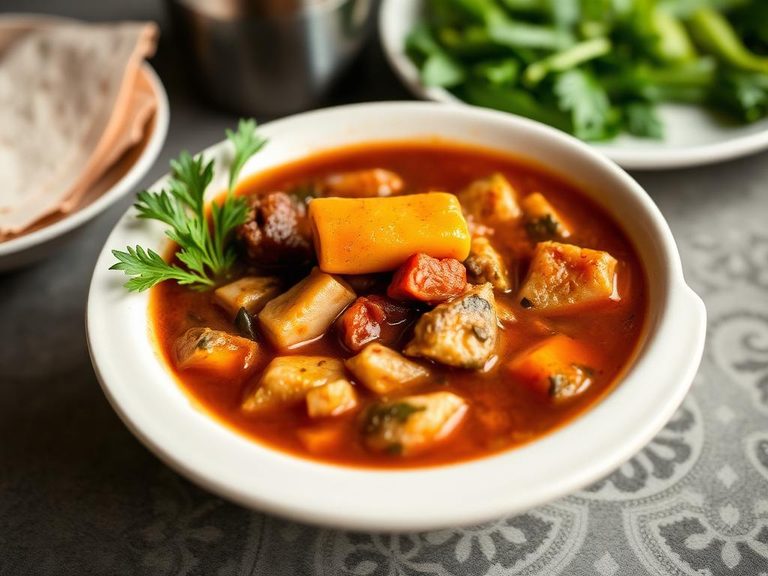
🍽️ Popular dishes
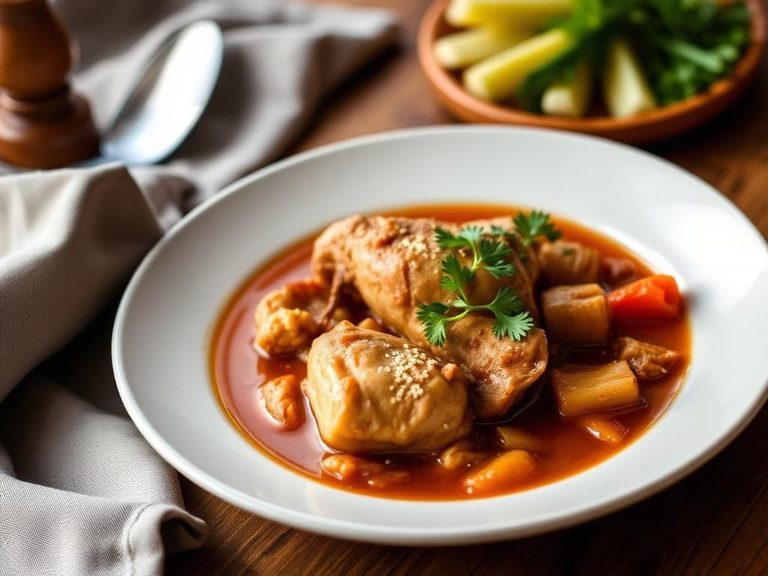
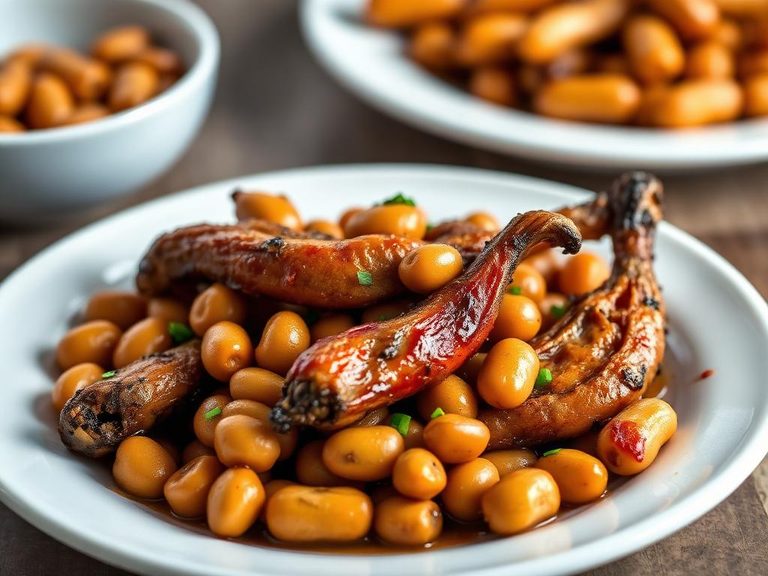
🌍 Where it's eaten
💡 Did you know?
Chicken necks are a popular, low-cost training treat for dogs, often recommended by veterinarians for dental health and mental stimulation due to their size and texture.
Full nutrition (USDA data · scales with serving)
| Water | 60.0 g |
| Energy | 297 kcal |
| Energy | 1243 kj |
| Protein | 14.1 g |
| Total lipid (fat) | 26.2 g |
| Ash | 0.55 g |
| Carbohydrate, by difference | 0.00 g |
| Fiber, total dietary | 0.00 g |
| Calcium, Ca | 18.0 mg |
| Iron, Fe | 1.9 mg |
| Magnesium, Mg | 13.0 mg |
| Phosphorus, P | 112 mg |
| Potassium, K | 137 mg |
| Sodium, Na | 64.0 mg |
| Zinc, Zn | 1.9 mg |
| Copper, Cu | 0.08 mg |
| Manganese, Mn | 0.03 mg |
| Selenium, Se | 12.0 ug |
| Vitamin C, total ascorbic acid | 0.00 mg |
| Thiamin | 0.05 mg |
| Riboflavin | 0.19 mg |
| Niacin | 3.6 mg |
| Pantothenic acid | 0.85 mg |
| Vitamin B-6 | 0.17 mg |
| Folate, total | 5.0 ug |
| Folic acid | 0.00 ug |
| Folate, food | 5.0 ug |
| Folate, DFE | 5.0 ug |
| Vitamin B-12 | 0.26 ug |
| Vitamin A, RAE | 65.0 ug |
| Retinol | 65.0 ug |
| Vitamin A, IU | 216 iu |
| Vitamin E (alpha-tocopherol) | 0.30 mg |
| Alcohol, ethyl | 0.00 g |
Fat & fatty acid profile (per 100g)
| Fatty acids, total saturated | 7.3 g |
| SFA 4:0 | 0.00 g |
| SFA 6:0 | 0.00 g |
| SFA 8:0 | 0.00 g |
| SFA 10:0 | 0.00 g |
| SFA 12:0 | 0.04 g |
| SFA 14:0 | 0.21 g |
| SFA 16:0 | 5.5 g |
| SFA 18:0 | 1.4 g |
| Fatty acids, total monounsaturated | 10.6 g |
| MUFA 16:1 | 1.5 g |
| MUFA 18:1 | 8.6 g |
| MUFA 20:1 | 0.30 g |
| MUFA 22:1 | 0.00 g |
| Fatty acids, total polyunsaturated | 5.7 g |
| PUFA 18:2 | 5.0 g |
| PUFA 18:3 | 0.21 g |
| PUFA 18:4 | 0.00 g |
| PUFA 20:4 | 0.16 g |
| PUFA 20:5 n-3 (EPA) | 0.02 g |
| PUFA 22:5 n-3 (DPA) | 0.03 g |
| PUFA 22:6 n-3 (DHA) | 0.06 g |
| Cholesterol | 99.0 mg |
Amino acid profile (per 100g)
| Tryptophan | 0.14 g |
| Threonine | 0.55 g |
| Isoleucine | 0.59 g |
| Leucine | 0.93 g |
| Lysine | 1.0 g |
| Methionine | 0.33 g |
| Cystine | 0.21 g |
| Phenylalanine | 0.51 g |
| Tyrosine | 0.39 g |
| Valine | 0.64 g |
| Arginine | 0.97 g |
| Histidine | 0.35 g |
| Alanine | 0.97 g |
| Aspartic acid | 1.3 g |
| Glutamic acid | 1.9 g |
| Glycine | 1.5 g |
| Proline | 0.97 g |
| Serine | 0.53 g |
FAQ
How do you eat a chicken neck?
It's typically cooked until tender, then the meat is gnawed or sucked off the bone. The soft skin and cartilage are also eaten. For dishes like stew or broth, the necks are simmered to extract flavor and then discarded or eaten.
Are chicken necks safe to eat?
Yes, when cooked thoroughly to an internal temperature of 165°F (74°C) to eliminate bacteria. The small bones can pose a choking hazard, so caution is advised, especially for young children.
What's the best way to cook them?
They excel in long, slow cooking methods like braising, stewing, smoking, or deep-frying, which break down the connective tissue and render the fat, resulting in tender, flavorful meat.
Nutrient density (calculated · NRF9.3)
Nutrient Rich Foods index: beneficial nutrients (protein, fiber, vitamins, minerals) minus saturated fat, added sugar & sodium, per 100 kcal.
NRF9.3 index — Fulgoni, Keast & Drewnowski, 2009. Computed from USDA nutrients.
Weight-loss friendliness (composite index)
Energy density 2.97 kcal/g · 19% calories from protein · 0.0 g fiber · 0.0 g sugar per 100 g.
Composite of energy density (Rolls et al., 1999), protein & fiber satiety, minus sugar. A calculated heuristic — ranks satiety-per-calorie, not a clinical measure.
Dietary load (calculated from USDA values)
Potential renal acid load. Positive = acid-forming, negative = alkaline-forming.
Sodium-to-potassium ratio: 0.47 (lower is better — aim for ≤ 1)
Sodium:potassium per WHO potassium guidance. Computed from USDA nutrients.