

Beans, white, mature seeds, cooked, boiled, with salt
Whole food · Legumes and Legume Products

Photo: Wikipedia
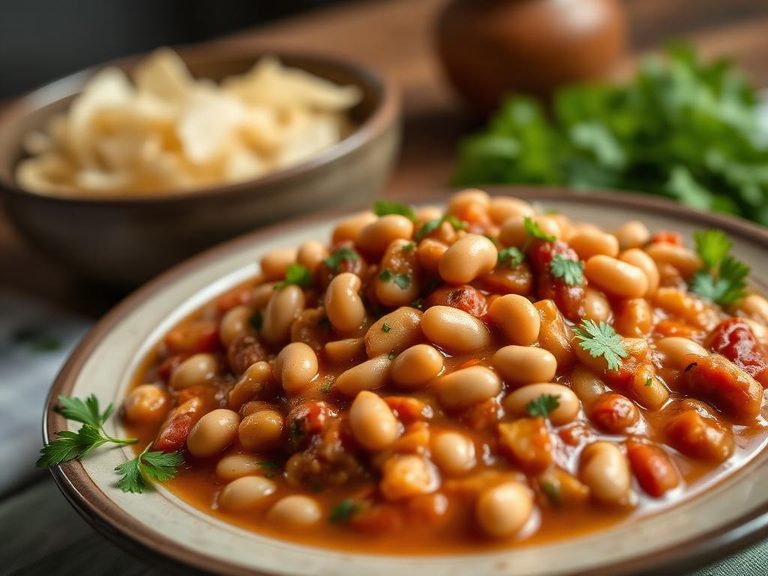
These are creamy, ivory-colored beans with a mild, slightly nutty flavor and a smooth, starchy texture that holds its shape well after boiling. They are a low-fat, high-fiber plant protein source, packing over 6 grams of fiber and nearly 10 grams of protein per 100g serving.
Calorie split: 27% protein · 70% carbs · 2% fat
↓ Full nutrition💚 Why it's loved
People love them for their incredibly versatile, mild flavor that acts as a perfect canvas for bold spices and herbs, and their satisfying, creamy texture in soups, salads, and stews.
⚠️ Watch-outs & how to enjoy it better
The added salt in the canned/cooked version can be a concern for those monitoring sodium intake, and the high fiber content may cause digestive discomfort for some. To counteract, rinse canned beans thoroughly to reduce sodium by up to 40%, and introduce them gradually into your diet while drinking plenty of water.
Key benefits
- Excellent source of dietary fiber for digestive health.
- High-quality plant-based protein for muscle maintenance.
- Low in fat and naturally cholesterol-free.
- Rich in minerals like iron and folate.
- Provides complex carbohydrates for sustained energy.
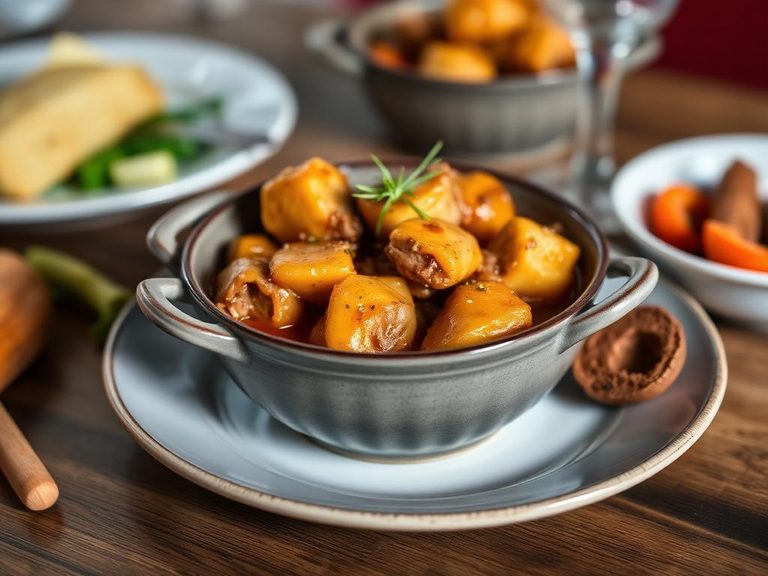
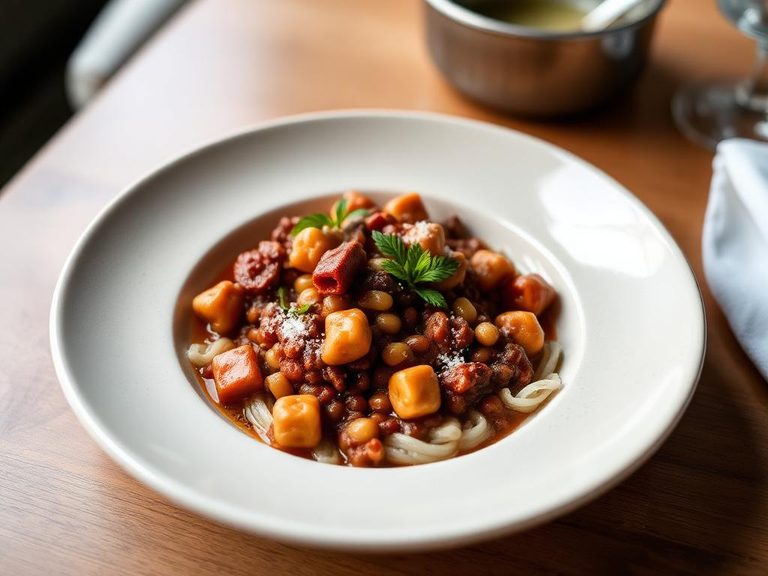
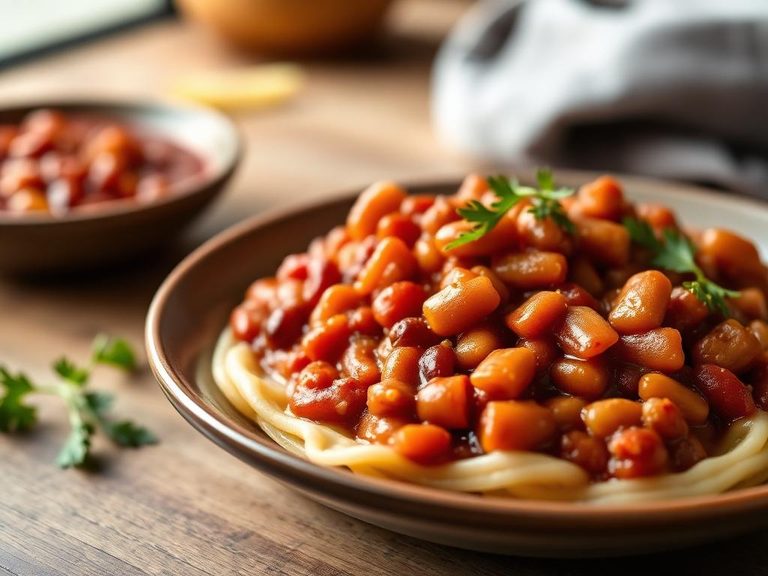
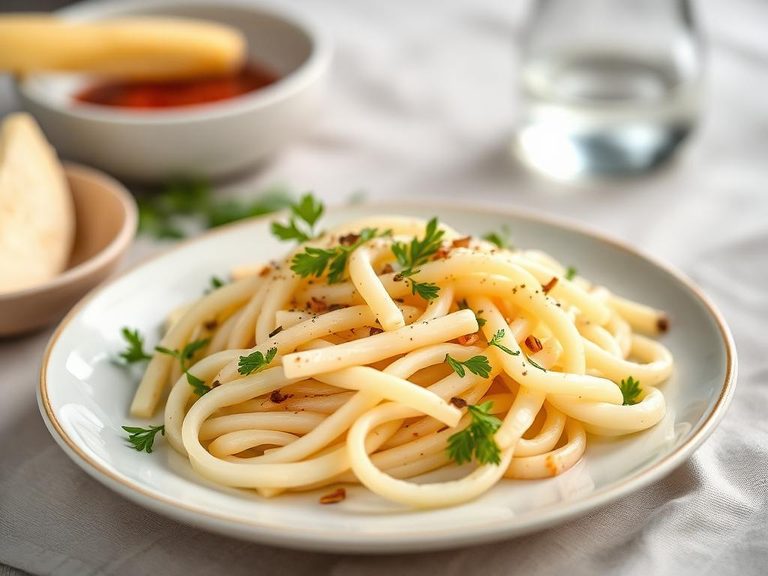
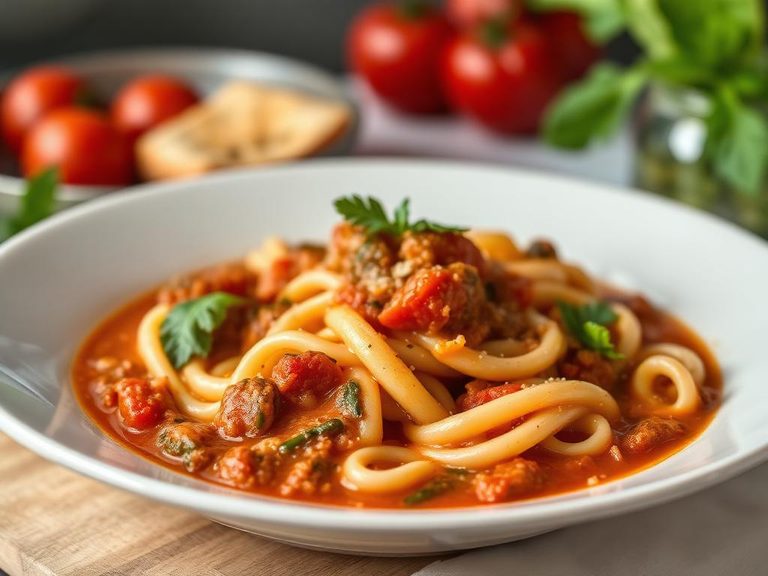
🍽️ Popular dishes
🌍 Where it's eaten
💡 Did you know?
The 'Navy bean' gets its name because it was a staple food for United States sailors for over a century, from the mid-1800s until World War II.
Full nutrition (USDA data · scales with serving)
| Water | 63.1 g |
| Energy | 139 kcal |
| Energy | 581 kj |
| Protein | 9.7 g |
| Total lipid (fat) | 0.35 g |
| Ash | 1.8 g |
| Carbohydrate, by difference | 25.1 g |
| Fiber, total dietary | 6.3 g |
| Total Sugars | 0.34 g |
| Calcium, Ca | 90.0 mg |
| Iron, Fe | 3.7 mg |
| Magnesium, Mg | 63.0 mg |
| Phosphorus, P | 113 mg |
| Potassium, K | 561 mg |
| Sodium, Na | 242 mg |
| Zinc, Zn | 1.4 mg |
| Copper, Cu | 0.29 mg |
| Manganese, Mn | 0.64 mg |
| Selenium, Se | 1.3 ug |
| Vitamin C, total ascorbic acid | 0.00 mg |
| Thiamin | 0.12 mg |
| Riboflavin | 0.05 mg |
| Niacin | 0.14 mg |
| Pantothenic acid | 0.23 mg |
| Vitamin B-6 | 0.09 mg |
| Folate, total | 81.0 ug |
| Folic acid | 0.00 ug |
| Folate, food | 81.0 ug |
| Folate, DFE | 81.0 ug |
| Choline, total | 35.1 mg |
| Vitamin B-12 | 0.00 ug |
| Vitamin A, RAE | 0.00 ug |
| Retinol | 0.00 ug |
| Carotene, beta | 0.00 ug |
| Carotene, alpha | 0.00 ug |
| Cryptoxanthin, beta | 0.00 ug |
| Vitamin A, IU | 0.00 iu |
| Lycopene | 0.00 ug |
| Lutein + zeaxanthin | 0.00 ug |
| Vitamin E (alpha-tocopherol) | 0.94 mg |
| Vitamin D (D2 + D3), International Units | 0.00 iu |
| Vitamin D (D2 + D3) | 0.00 ug |
| Vitamin K (phylloquinone) | 3.5 ug |
Fat & fatty acid profile (per 100g)
| Fatty acids, total saturated | 0.09 g |
| SFA 14:0 | 0.00 g |
| SFA 16:0 | 0.09 g |
| SFA 18:0 | 0.01 g |
| Fatty acids, total monounsaturated | 0.03 g |
| MUFA 18:1 | 0.03 g |
| Fatty acids, total polyunsaturated | 0.15 g |
| PUFA 18:2 | 0.08 g |
| PUFA 18:3 | 0.07 g |
| Fatty acids, total trans | 0.00 g |
| Cholesterol | 0.00 mg |
Amino acid profile (per 100g)
| Tryptophan | 0.12 g |
| Threonine | 0.41 g |
| Isoleucine | 0.43 g |
| Leucine | 0.78 g |
| Lysine | 0.67 g |
| Methionine | 0.15 g |
| Cystine | 0.11 g |
| Phenylalanine | 0.53 g |
| Tyrosine | 0.27 g |
| Valine | 0.51 g |
| Arginine | 0.60 g |
| Histidine | 0.27 g |
| Alanine | 0.41 g |
| Aspartic acid | 1.2 g |
| Glutamic acid | 1.5 g |
| Glycine | 0.38 g |
| Proline | 0.41 g |
| Serine | 0.53 g |
FAQ
What's the difference between canned and dried cooked white beans?
Nutritionally, they are very similar. Canned beans are pre-cooked and often contain added salt for preservation and flavor. Dried beans require soaking and longer cooking but give you full control over sodium content and texture.
How can I use the starchy cooking liquid from boiled beans?
The liquid, often called 'bean broth' or 'aquafaba' (for chickpeas, but similar), is flavorful and starchy. Use it to thicken soups, stews, and sauces, or as a base for a simple bean soup.
Are white beans a good choice for people with diabetes?
Yes, they are an excellent choice. Their high fiber and protein content helps slow the absorption of carbohydrates, leading to a more gradual rise in blood sugar compared to lower-fiber foods.
Nutrient density (calculated · NRF9.3)
Nutrient Rich Foods index: beneficial nutrients (protein, fiber, vitamins, minerals) minus saturated fat, added sugar & sodium, per 100 kcal.
NRF9.3 index — Fulgoni, Keast & Drewnowski, 2009. Computed from USDA nutrients.
Weight-loss friendliness (composite index)
Energy density 1.39 kcal/g · 28% calories from protein · 6.3 g fiber · 0.3 g sugar per 100 g.
Composite of energy density (Rolls et al., 1999), protein & fiber satiety, minus sugar. A calculated heuristic — ranks satiety-per-calorie, not a clinical measure.
Dietary load (calculated from USDA values)
Potential renal acid load. Positive = acid-forming, negative = alkaline-forming.
Sodium-to-potassium ratio: 0.43 (lower is better — aim for ≤ 1)
Sodium:potassium per WHO potassium guidance. Computed from USDA nutrients.