

Turkey, all classes, breast, meat and skin, raw
Whole food · Poultry Products
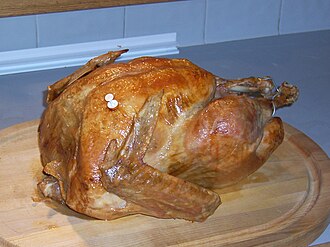
Photo: Wikipedia
Turkey breast with skin is a lean, dense protein powerhouse, offering a mild, subtly sweet flavor and a firm, fine-grained texture that becomes juicy when cooked properly. The skin adds a layer of rich, savory fat that crisps beautifully, transforming the cut from a diet staple into a more indulgent centerpiece. Nutritionally, it's a standout for high-quality protein with virtually no carbohydrates.
Calorie split: 58% protein · 0% carbs · 42% fat
↓ Full nutrition💚 Why it's loved
People love turkey breast for its incredible versatility—it's a blank canvas that absorbs marinades and spices, making it perfect for everything from a simple weeknight roast to a holiday feast. Its lean profile also makes it a go-to for health-conscious cooks seeking a satisfying, high-protein meal without excess calories.
⚠️ Watch-outs & how to enjoy it better
The primary downside is its tendency to dry out if overcooked, leading to a tough, chalky texture. The skin, while flavorful, significantly increases the fat and calorie content, which those monitoring intake should note. To counteract dryness, brine the meat before cooking or use a meat thermometer to pull it at 165°F (74°C). To manage fat intake, simply remove the crispy skin before eating, or portion it as a garnish rather than the main event.
Key benefits
- Excellent source of complete protein for muscle maintenance and satiety
- Very low in carbohydrates, suitable for low-carb and ketogenic diets
- Provides essential B vitamins like niacin and B6 for energy metabolism
- Contains minerals such as selenium and phosphorus
🍽️ Popular dishes
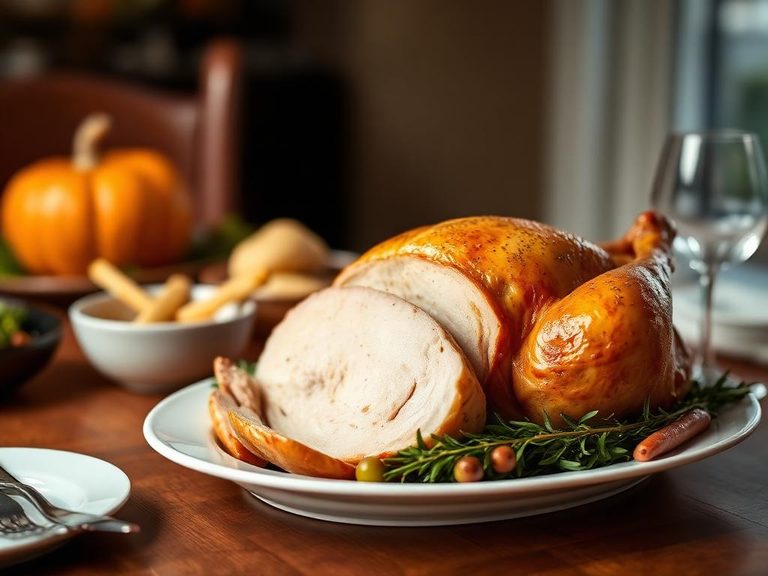
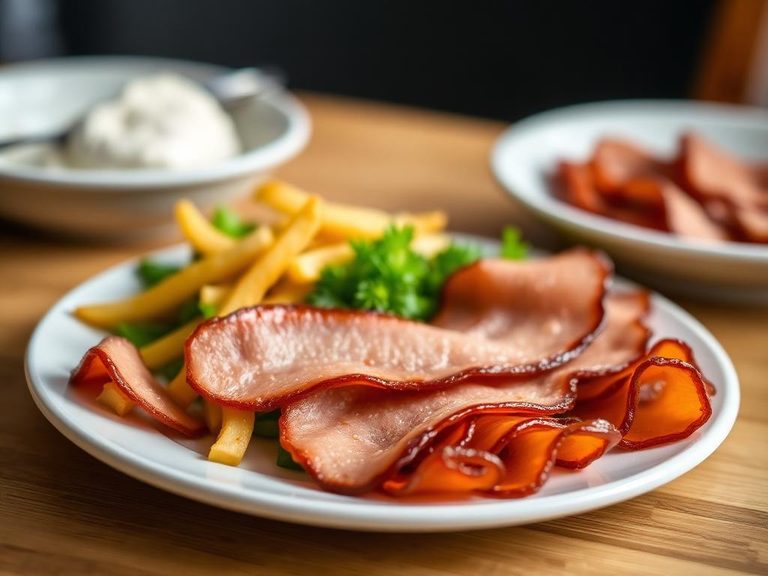
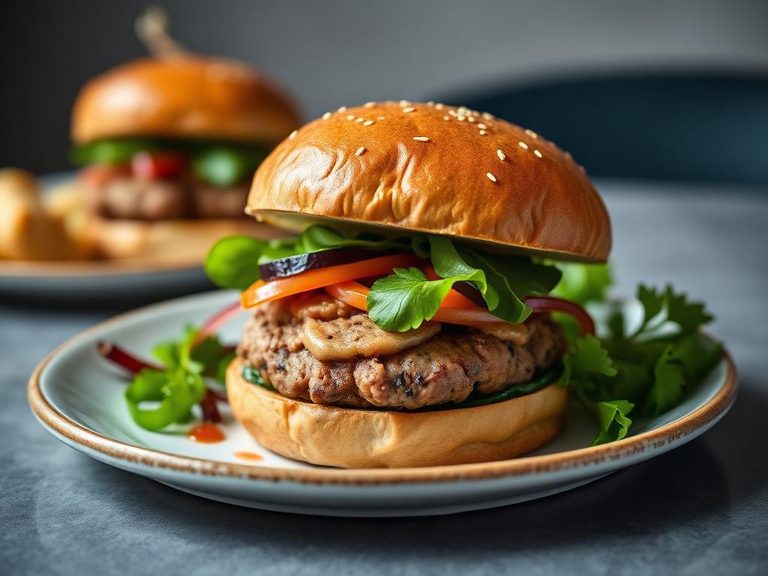
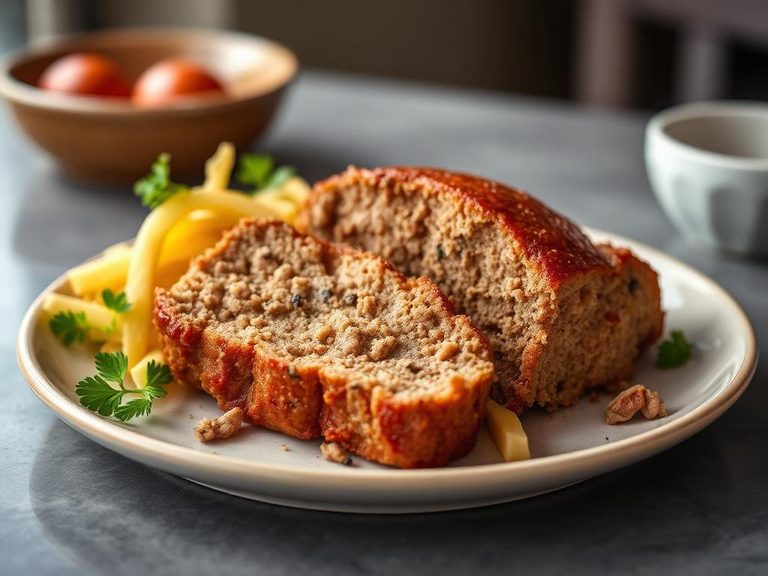
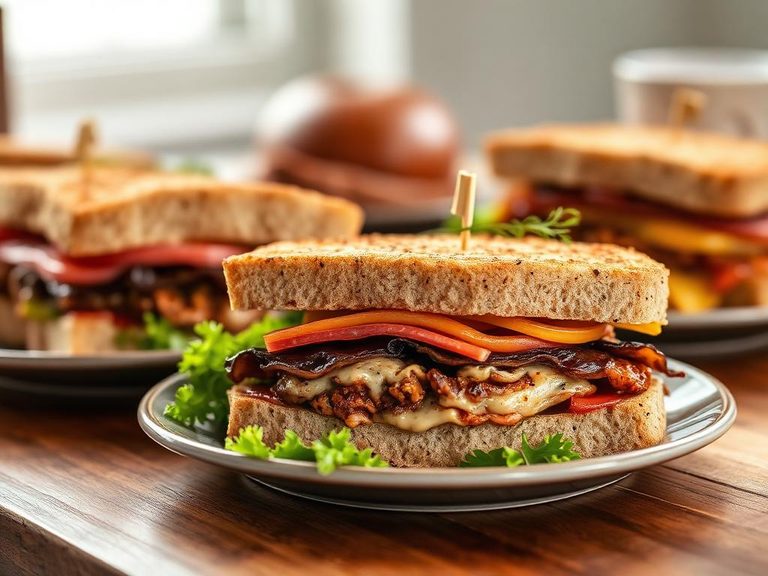
🌍 Where it's eaten
💡 Did you know?
The wild turkey was so admired by Benjamin Franklin that he once proposed it, not the bald eagle, as the national bird of the United States, calling it 'a Bird of Courage.'
Full nutrition (USDA data · scales with serving)
| Water | 70.0 g |
| Energy | 157 kcal |
| Energy | 657 kj |
| Protein | 21.9 g |
| Total lipid (fat) | 7.0 g |
| Ash | 0.91 g |
| Carbohydrate, by difference | 0.00 g |
| Fiber, total dietary | 0.00 g |
| Calcium, Ca | 13.0 mg |
| Iron, Fe | 1.2 mg |
| Magnesium, Mg | 24.0 mg |
| Phosphorus, P | 186 mg |
| Potassium, K | 275 mg |
| Sodium, Na | 59.0 mg |
| Zinc, Zn | 1.6 mg |
| Copper, Cu | 0.07 mg |
| Manganese, Mn | 0.02 mg |
| Selenium, Se | 22.4 ug |
| Vitamin C, total ascorbic acid | 0.00 mg |
| Thiamin | 0.06 mg |
| Riboflavin | 0.12 mg |
| Niacin | 5.2 mg |
| Pantothenic acid | 0.62 mg |
| Vitamin B-6 | 0.48 mg |
| Folate, total | 7.0 ug |
| Folic acid | 0.00 ug |
| Folate, food | 7.0 ug |
| Folate, DFE | 7.0 ug |
| Vitamin B-12 | 0.42 ug |
| Vitamin A, RAE | 2.0 ug |
| Retinol | 2.0 ug |
| Vitamin A, IU | 6.0 iu |
Fat & fatty acid profile (per 100g)
| Fatty acids, total saturated | 1.9 g |
| SFA 10:0 | 0.00 g |
| SFA 12:0 | 0.01 g |
| SFA 14:0 | 0.05 g |
| SFA 16:0 | 1.3 g |
| SFA 18:0 | 0.41 g |
| Fatty acids, total monounsaturated | 2.7 g |
| MUFA 16:1 | 0.45 g |
| MUFA 18:1 | 2.1 g |
| MUFA 20:1 | 0.01 g |
| MUFA 22:1 | 0.01 g |
| Fatty acids, total polyunsaturated | 1.7 g |
| PUFA 18:2 | 1.4 g |
| PUFA 18:3 | 0.09 g |
| PUFA 20:4 | 0.09 g |
| PUFA 20:5 n-3 (EPA) | 0.00 g |
| PUFA 22:5 n-3 (DPA) | 0.01 g |
| PUFA 22:6 n-3 (DHA) | 0.01 g |
| Cholesterol | 65.0 mg |
Amino acid profile (per 100g)
| Tryptophan | 0.24 g |
| Threonine | 0.96 g |
| Isoleucine | 1.1 g |
| Leucine | 1.7 g |
| Lysine | 2.0 g |
| Methionine | 0.62 g |
| Cystine | 0.24 g |
| Phenylalanine | 0.86 g |
| Tyrosine | 0.83 g |
| Valine | 1.1 g |
| Arginine | 1.5 g |
| Histidine | 0.66 g |
| Alanine | 1.4 g |
| Aspartic acid | 2.1 g |
| Glutamic acid | 3.5 g |
| Glycine | 1.3 g |
| Proline | 1.0 g |
| Serine | 0.97 g |
FAQ
What's the best way to cook turkey breast with skin to keep it juicy?
Brining the turkey in a saltwater solution for several hours before cooking helps it retain moisture. Roasting at a moderate temperature (around 325-350°F / 165-175°C) and using a meat thermometer to remove it at exactly 165°F (74°C) is crucial. Letting it rest for 15-20 minutes after cooking allows juices to redistribute.
Is turkey breast with skin considered a healthy food?
Yes, it is an excellent source of lean protein, low in carbs, and rich in vitamins and minerals. The healthiness depends on preparation; roasting or grilling is healthier than frying. The skin adds fat and calories, so it can be enjoyed in moderation or removed for a leaner option.
How does the nutrition of turkey breast compare to chicken breast?
They are very similar, both being high-protein, low-fat meats. Per 100g, turkey breast is slightly higher in protein and marginally lower in fat than chicken breast, but the difference is nutritionally negligible. The main difference is often in flavor and texture, with turkey being slightly milder and denser.
Nutrient density (calculated · NRF9.3)
Nutrient Rich Foods index: beneficial nutrients (protein, fiber, vitamins, minerals) minus saturated fat, added sugar & sodium, per 100 kcal.
NRF9.3 index — Fulgoni, Keast & Drewnowski, 2009. Computed from USDA nutrients.
Weight-loss friendliness (composite index)
Energy density 1.57 kcal/g · 56% calories from protein · 0.0 g fiber · 0.0 g sugar per 100 g.
Composite of energy density (Rolls et al., 1999), protein & fiber satiety, minus sugar. A calculated heuristic — ranks satiety-per-calorie, not a clinical measure.
Dietary load (calculated from USDA values)
Potential renal acid load. Positive = acid-forming, negative = alkaline-forming.
Sodium-to-potassium ratio: 0.21 (lower is better — aim for ≤ 1)
Sodium:potassium per WHO potassium guidance. Computed from USDA nutrients.