

Taro, cooked, with salt
Whole food · Vegetables and Vegetable Products

Photo: Wikipedia
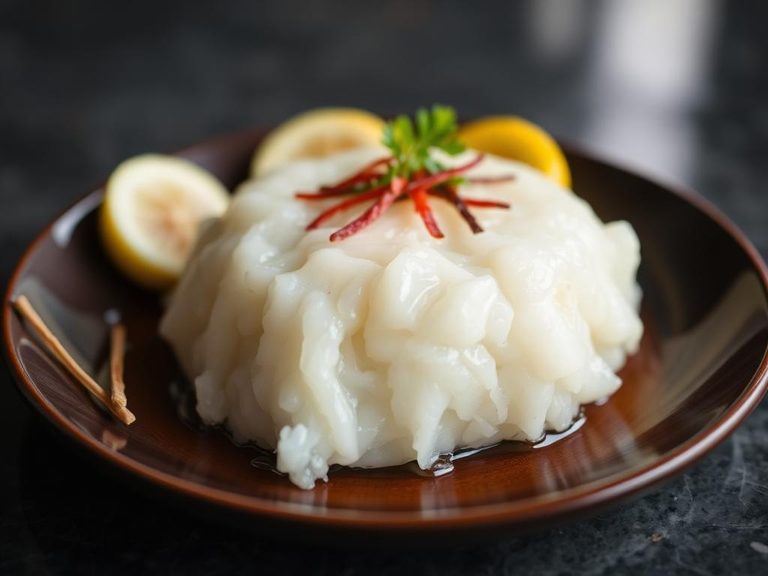
Cooked taro is a starchy root vegetable with a creamy, slightly slimy texture and a mild, nutty flavor reminiscent of a cross between a potato and a sweet potato. Its flesh turns a soft lavender-grey when boiled or steamed, often with subtle purple flecks. Nutritionally, it's a solid source of dietary fiber and complex carbohydrates, providing sustained energy with minimal fat.
Calorie split: 1% protein · 98% carbs · 1% fat
↓ Full nutrition💚 Why it's loved
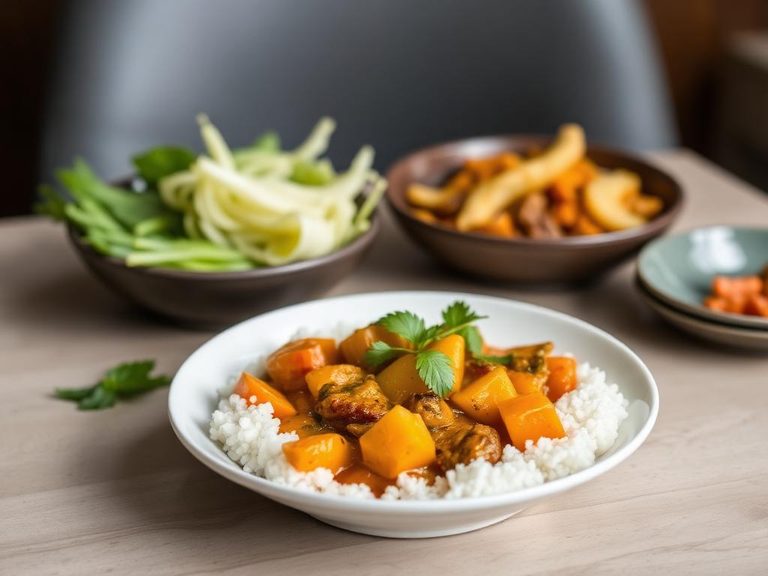
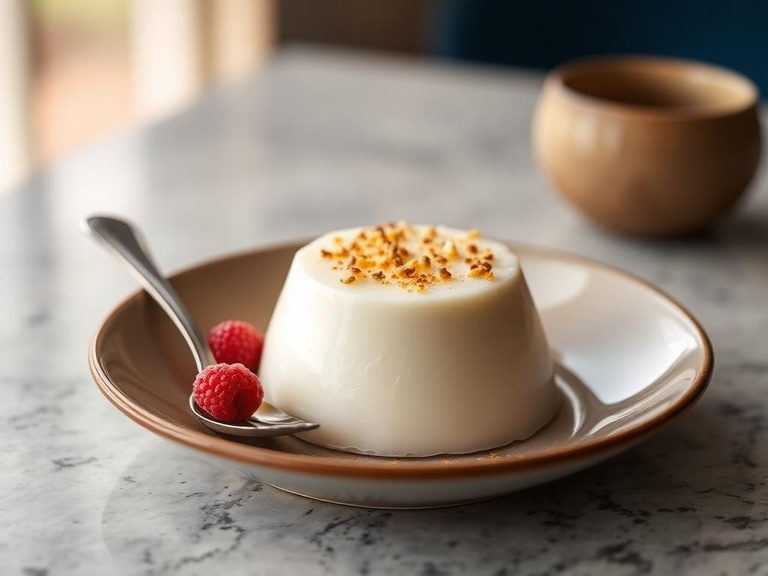
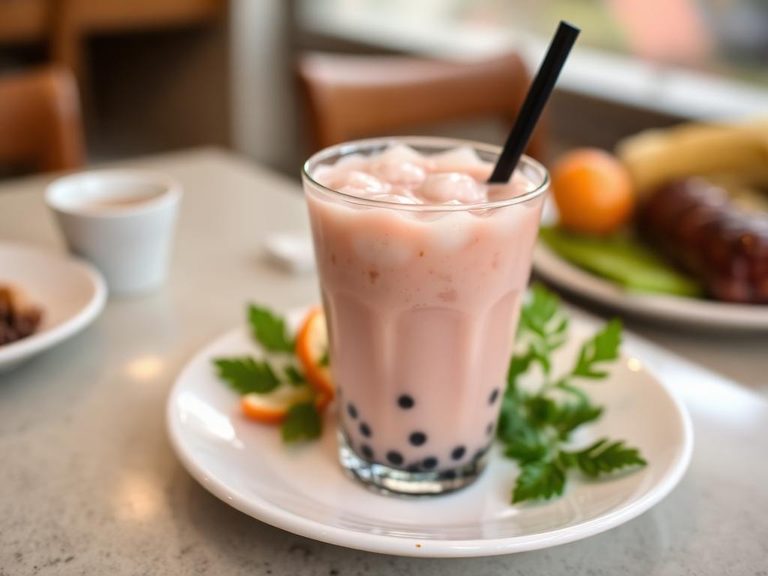
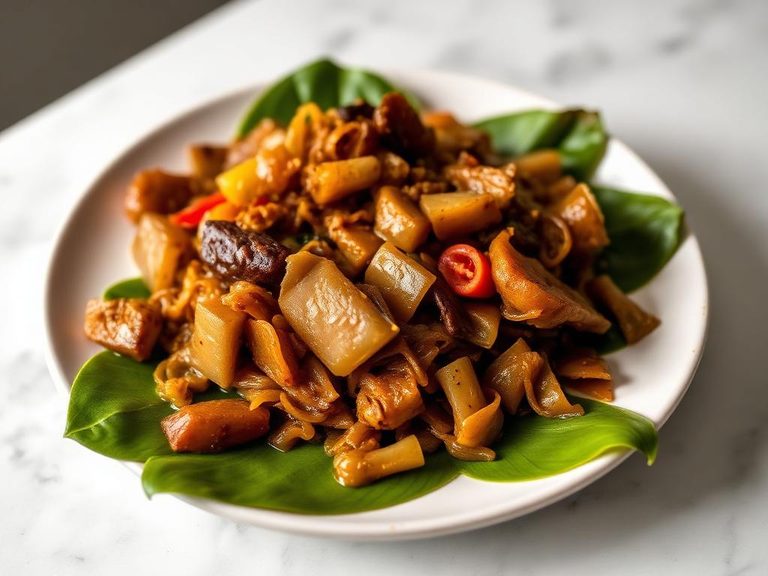
People love taro for its unique, earthy sweetness and its incredibly versatile, satisfying texture that becomes wonderfully creamy when cooked. It's a beloved staple in many cultures, forming the base of comforting porridges, savory dishes, and iconic desserts.
⚠️ Watch-outs & how to enjoy it better
Raw taro contains calcium oxalate crystals, which can cause irritation; it must be thoroughly cooked. Its high carbohydrate content can impact blood sugar, so those managing diabetes should practice portion control. To mitigate this, pair it with protein or healthy fats (like coconut milk in a curry) and eat it as part of a balanced meal.
Key benefits
- High in dietary fiber for digestive health
- Good source of complex carbohydrates for energy
- Contains resistant starch which may support gut health
- Provides essential minerals like potassium and manganese
- Naturally gluten-free
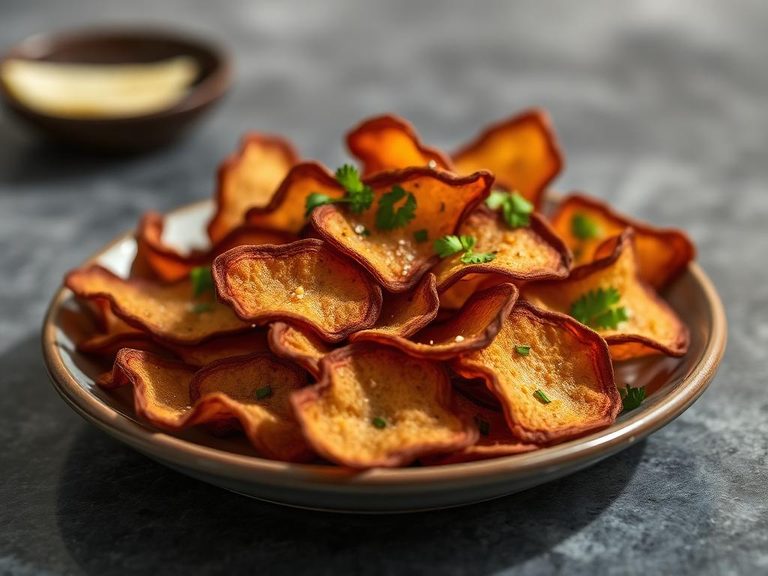
🍽️ Popular dishes
🌍 Where it's eaten
💡 Did you know?
Taro is one of the earliest cultivated plants, with evidence of its domestication in the humid lowlands of Southeast Asia dating back over 10,000 years, making it older than many grain crops.
Full nutrition (USDA data · scales with serving)
| Water | 63.8 g |
| Energy | 142 kcal |
| Energy | 594 kj |
| Protein | 0.52 g |
| Total lipid (fat) | 0.11 g |
| Ash | 0.97 g |
| Carbohydrate, by difference | 34.6 g |
| Fiber, total dietary | 5.1 g |
| Total Sugars | 0.49 g |
| Calcium, Ca | 18.0 mg |
| Iron, Fe | 0.72 mg |
| Magnesium, Mg | 30.0 mg |
| Phosphorus, P | 76.0 mg |
| Potassium, K | 484 mg |
| Sodium, Na | 251 mg |
| Zinc, Zn | 0.27 mg |
| Copper, Cu | 0.20 mg |
| Manganese, Mn | 0.45 mg |
| Selenium, Se | 0.90 ug |
| Vitamin C, total ascorbic acid | 5.0 mg |
| Thiamin | 0.11 mg |
| Riboflavin | 0.03 mg |
| Niacin | 0.51 mg |
| Pantothenic acid | 0.34 mg |
| Vitamin B-6 | 0.33 mg |
| Folate, total | 19.0 ug |
| Folic acid | 0.00 ug |
| Folate, food | 19.0 ug |
| Folate, DFE | 19.0 ug |
| Choline, total | 21.3 mg |
| Vitamin B-12 | 0.00 ug |
| Vitamin B-12, added | 0.00 ug |
| Vitamin A, RAE | 4.0 ug |
| Retinol | 0.00 ug |
| Carotene, beta | 39.0 ug |
| Carotene, alpha | 0.00 ug |
| Cryptoxanthin, beta | 22.0 ug |
| Vitamin A, IU | 84.0 iu |
| Lycopene | 0.00 ug |
| Lutein + zeaxanthin | 0.00 ug |
| Vitamin E (alpha-tocopherol) | 2.9 mg |
| Vitamin E, added | 0.00 mg |
| Vitamin D (D2 + D3), International Units | 0.00 iu |
| Vitamin D (D2 + D3) | 0.00 ug |
| Vitamin K (phylloquinone) | 1.2 ug |
| Alcohol, ethyl | 0.00 g |
| Caffeine | 0.00 mg |
| Theobromine | 0.00 mg |
Fat & fatty acid profile (per 100g)
| Fatty acids, total saturated | 0.02 g |
| SFA 16:0 | 0.02 g |
| SFA 18:0 | 0.00 g |
| Fatty acids, total monounsaturated | 0.01 g |
| MUFA 18:1 | 0.01 g |
| Fatty acids, total polyunsaturated | 0.05 g |
| PUFA 18:2 | 0.03 g |
| PUFA 18:3 | 0.01 g |
| Fatty acids, total trans | 0.00 g |
| Cholesterol | 0.00 mg |
Amino acid profile (per 100g)
| Tryptophan | 0.01 g |
| Threonine | 0.02 g |
| Isoleucine | 0.02 g |
| Leucine | 0.04 g |
| Lysine | 0.02 g |
| Methionine | 0.01 g |
| Cystine | 0.01 g |
| Phenylalanine | 0.03 g |
| Tyrosine | 0.02 g |
| Valine | 0.03 g |
| Arginine | 0.04 g |
| Histidine | 0.01 g |
| Alanine | 0.03 g |
| Aspartic acid | 0.07 g |
| Glutamic acid | 0.06 g |
| Glycine | 0.03 g |
| Proline | 0.02 g |
| Serine | 0.03 g |
FAQ
Why does cooked taro sometimes feel slimy?
This is due to its mucilage content, a type of soluble fiber that becomes sticky when heated. The texture is normal and is even prized in certain dishes like poi.
Can I eat taro skin?
The skin is tough and fibrous and should be peeled before cooking. Like the flesh, it also contains irritating calcium oxalate crystals.
Is taro the same as sweet potato?
No. While both are starchy tubers, taro is a distinct plant (Colocasia esculenta) with a different flavor, texture, and nutritional profile.
Nutrient density (calculated · NRF9.3)
Nutrient Rich Foods index: beneficial nutrients (protein, fiber, vitamins, minerals) minus saturated fat, added sugar & sodium, per 100 kcal.
NRF9.3 index — Fulgoni, Keast & Drewnowski, 2009. Computed from USDA nutrients.
Weight-loss friendliness (composite index)
Energy density 1.42 kcal/g · 1% calories from protein · 5.1 g fiber · 0.5 g sugar per 100 g.
Composite of energy density (Rolls et al., 1999), protein & fiber satiety, minus sugar. A calculated heuristic — ranks satiety-per-calorie, not a clinical measure.
Dietary load (calculated from USDA values)
Potential renal acid load. Positive = acid-forming, negative = alkaline-forming.
Sodium-to-potassium ratio: 0.52 (lower is better — aim for ≤ 1)
Sodium:potassium per WHO potassium guidance. Computed from USDA nutrients.