

Soy protein concentrate, produced by acid wash
Whole food · Legumes and Legume Products

Photo: Wikipedia
Acid-washed soy protein concentrate is a highly refined, protein-packed powder with a neutral, slightly beany flavor and a fine, absorbent texture. It's a nutritional powerhouse, boasting over 63g of protein per 100g with minimal fat, making it a staple for fortifying foods and supplements.
Calorie split: 71% protein · 28% carbs · 1% fat
↓ Full nutrition💚 Why it's loved
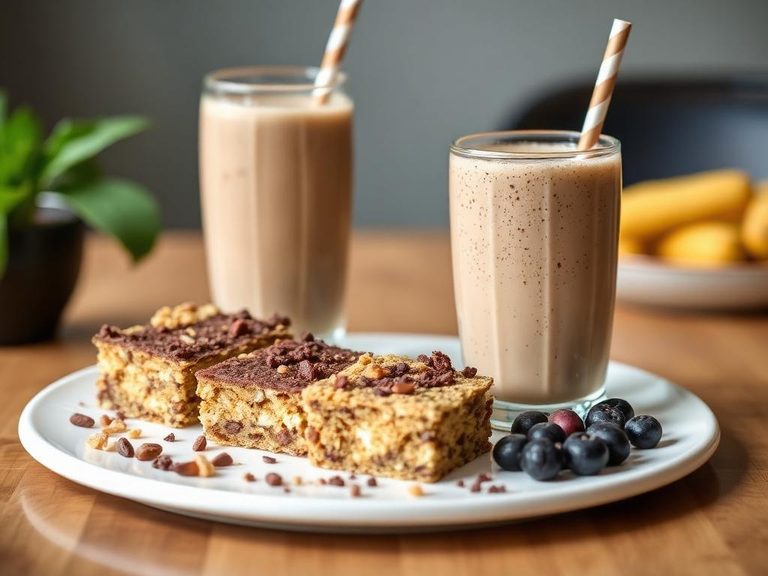
Food manufacturers and health enthusiasts love it for its incredible versatility and neutral profile. It seamlessly boosts the protein content of everything from protein bars and shakes to baked goods and meat analogues without drastically altering the intended flavor.
⚠️ Watch-outs & how to enjoy it better
As a highly processed soy isolate, it may cause digestive discomfort (bloating, gas) in some individuals, especially those with sensitive stomachs. It's also a common allergen. To mitigate, start with small portions and consider pairing it with digestive enzymes or probiotics. Always check labels for other additives like sodium.
Key benefits
- Exceptionally high in complete protein (contains all essential amino acids)
- Very low in fat, making it a lean protein source
- Good source of dietary fiber
- Highly functional ingredient that improves texture and moisture in processed foods
- Cost-effective protein for large-scale food production
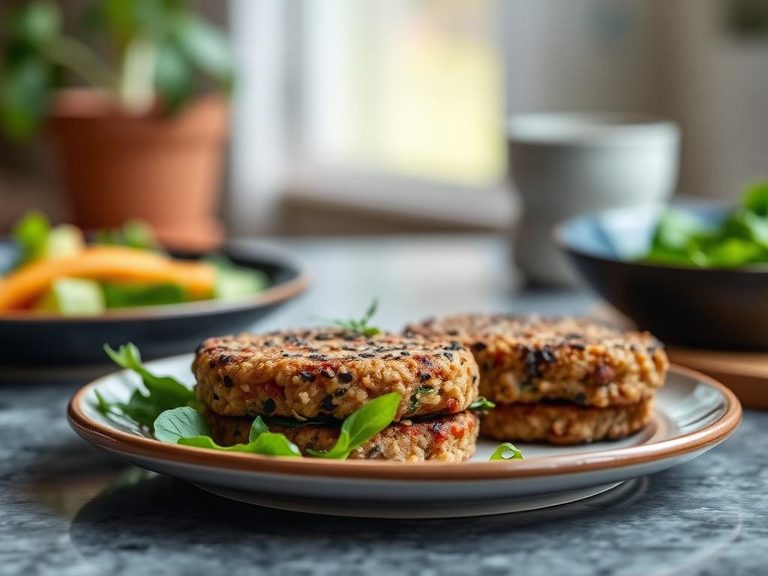
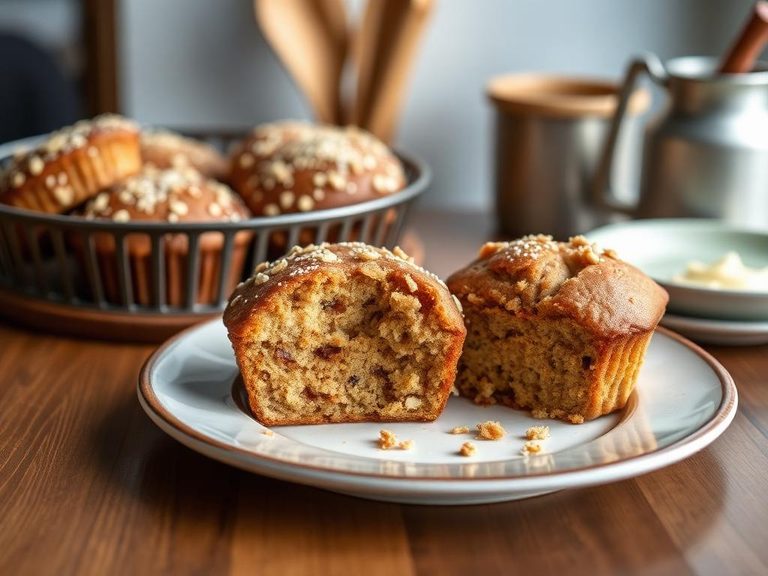
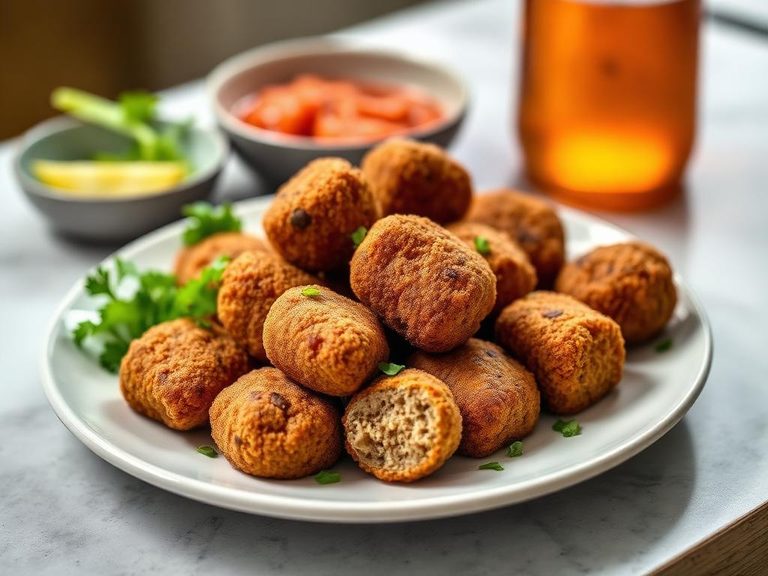
🍽️ Popular dishes
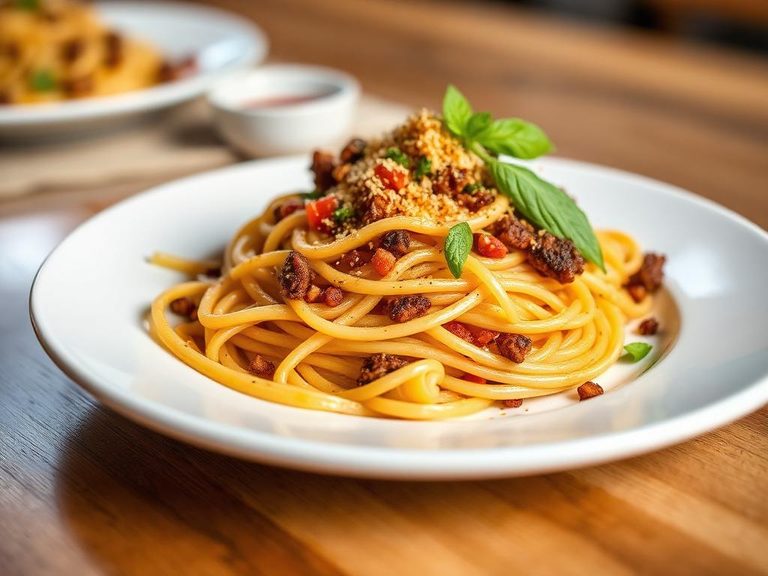
🌍 Where it's eaten
💡 Did you know?
The acid washing process specifically targets and removes most of the carbohydrates (like sugars and oligosaccharides) that can cause digestive issues, concentrating the protein to over 65% by weight.
Full nutrition (USDA data · scales with serving)
| Water | 5.8 g |
| Energy | 328 kcal |
| Energy | 1373 kj |
| Protein | 63.6 g |
| Total lipid (fat) | 0.46 g |
| Ash | 4.7 g |
| Carbohydrate, by difference | 25.4 g |
| Fiber, total dietary | 5.5 g |
| Total Sugars | 20.0 g |
| Calcium, Ca | 363 mg |
| Iron, Fe | 10.8 mg |
| Magnesium, Mg | 140 mg |
| Phosphorus, P | 839 mg |
| Potassium, K | 450 mg |
| Sodium, Na | 900 mg |
| Zinc, Zn | 4.4 mg |
| Copper, Cu | 0.98 mg |
| Manganese, Mn | 4.2 mg |
| Selenium, Se | 0.80 ug |
| Vitamin C, total ascorbic acid | 0.00 mg |
| Thiamin | 0.32 mg |
| Riboflavin | 0.14 mg |
| Niacin | 0.72 mg |
| Pantothenic acid | 0.06 mg |
| Vitamin B-6 | 0.13 mg |
| Folate, total | 340 ug |
| Folic acid | 0.00 ug |
| Folate, food | 340 ug |
| Folate, DFE | 340 ug |
| Vitamin B-12 | 0.00 ug |
| Vitamin A, RAE | 0.00 ug |
| Retinol | 0.00 ug |
| Carotene, beta | 0.00 ug |
| Carotene, alpha | 0.00 ug |
| Cryptoxanthin, beta | 0.00 ug |
| Vitamin A, IU | 0.00 iu |
| Lycopene | 0.00 ug |
| Lutein + zeaxanthin | 0.00 ug |
| Vitamin D (D2 + D3), International Units | 0.00 iu |
| Vitamin D (D2 + D3) | 0.00 ug |
| Vitamin K (phylloquinone) | 0.00 ug |
| Caffeine | 0.00 mg |
| Theobromine | 0.00 mg |
Fat & fatty acid profile (per 100g)
| Fatty acids, total saturated | 0.05 g |
| SFA 14:0 | 0.00 g |
| SFA 16:0 | 0.04 g |
| SFA 18:0 | 0.01 g |
| Fatty acids, total monounsaturated | 0.08 g |
| MUFA 16:1 | 0.00 g |
| MUFA 18:1 | 0.08 g |
| Fatty acids, total polyunsaturated | 0.20 g |
| PUFA 18:2 | 0.18 g |
| PUFA 18:3 | 0.02 g |
| Fatty acids, total trans | 0.00 g |
| Cholesterol | 0.00 mg |
Amino acid profile (per 100g)
| Tryptophan | 0.83 g |
| Threonine | 2.5 g |
| Isoleucine | 2.9 g |
| Leucine | 4.9 g |
| Lysine | 3.9 g |
| Methionine | 0.81 g |
| Cystine | 0.89 g |
| Phenylalanine | 3.3 g |
| Tyrosine | 2.3 g |
| Valine | 3.1 g |
| Arginine | 4.6 g |
| Histidine | 1.6 g |
| Alanine | 2.7 g |
| Aspartic acid | 7.2 g |
| Glutamic acid | 12.0 g |
| Glycine | 2.7 g |
| Proline | 3.3 g |
| Serine | 3.4 g |
FAQ
How is acid-washed soy protein concentrate different from regular soy protein isolate?
The 'acid wash' is a specific purification step during manufacturing. It uses a mild acid solution to precipitate and wash away more of the soluble carbohydrates, ash, and off-flavors compared to standard water-based extraction, resulting in a higher purity protein (often 65%+) with a cleaner taste.
Can I use this directly in home cooking like baking?
Yes, but it's potent. It can be added to smoothies, oatmeal, or baked goods to boost protein. However, using too much can give a dry, chalky texture or a strong bean flavor. Start with 1-2 tablespoons per recipe and increase gradually, often adjusting other liquids.
Is the high sugar content (20g) a concern?
The 20g of sugar per 100g likely refers to naturally occurring sugars from the soybean that remain after processing, not added sugar. In typical serving sizes (30-50g), the sugar intake is modest. However, individuals monitoring blood sugar should account for it within their total carbohydrate intake.
Nutrient density (calculated · NRF9.3)
Nutrient Rich Foods index: beneficial nutrients (protein, fiber, vitamins, minerals) minus saturated fat, added sugar & sodium, per 100 kcal.
NRF9.3 index — Fulgoni, Keast & Drewnowski, 2009. Computed from USDA nutrients.
Weight-loss friendliness (composite index)
Energy density 3.28 kcal/g · 78% calories from protein · 5.5 g fiber · 20.0 g sugar per 100 g.
Composite of energy density (Rolls et al., 1999), protein & fiber satiety, minus sugar. A calculated heuristic — ranks satiety-per-calorie, not a clinical measure.
Dietary load (calculated from USDA values)
Potential renal acid load. Positive = acid-forming, negative = alkaline-forming.
Sodium-to-potassium ratio: 2.00 (lower is better — aim for ≤ 1)
Sodium:potassium per WHO potassium guidance. Computed from USDA nutrients.