

Protein Bars & Shakes
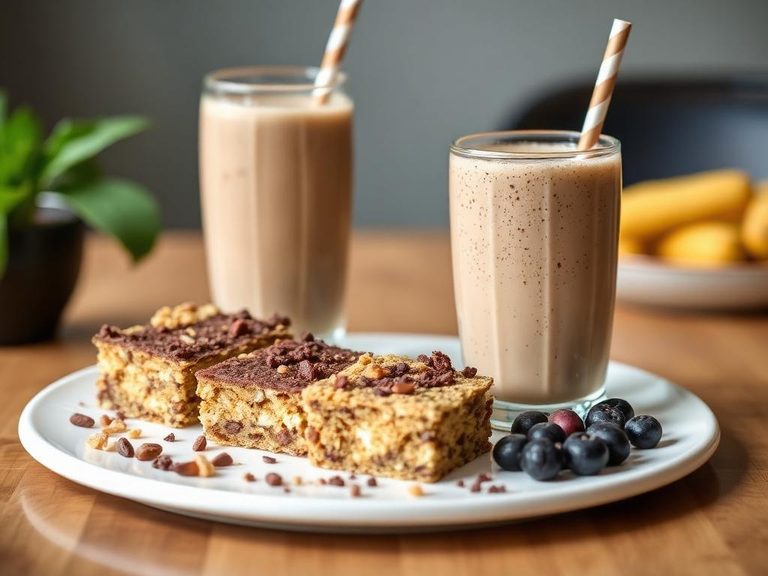
Protein bars and shakes are convenient, portable supplements designed to boost protein intake, typically made from whey, casein, soy, or plant-based protein sources mixed with sweeteners, flavorings, and sometimes added vitamins. They originated in the fitness and bodybuilding communities of the mid-20th century but have now become mainstream snacks for busy individuals, athletes, and anyone seeking a quick nutritional boost.
🍽️ Nutrition at a glance
These products are specifically engineered to be high in protein, often containing 15-30 grams per serving, while their carbohydrate and fat content can vary widely based on the specific product (e.g., low-carb vs. meal-replacement styles). They are a concentrated source of essential amino acids and often fortified with vitamins and minerals, with a typical bar or shake serving ranging from 150 to 400 calories.
Nutrition breakdown
| Calories | 220 kcal |
| Protein | 20 g |
| Carbs | 24 g |
| Fat | 7 g |
| Fiber | 3 g |
| Sugar | 5 g |
| Sodium | 180 mg |
| Calcium | 200 mg |
| Iron | 4 mg |
| Potassium | 150 mg |
| Magnesium | 50 mg |
| Vitamin B12 | 2.4 µg |
| Phosphorus | 150 mg |
| Zinc | 3 mg |
| Vitamin D | 2 µg |
Per 1 bar (60 g) · estimated, varies by recipe
💡 What's interesting
Culturally, they represent the modern intersection of convenience food and performance nutrition, often marketed with a focus on efficiency and goals. Nutritionally unique is their role as a 'functional food'—designed not just for sustenance but to deliver a specific macronutrient (protein) in a controlled, easily digestible form.
🍽️ Related dishes





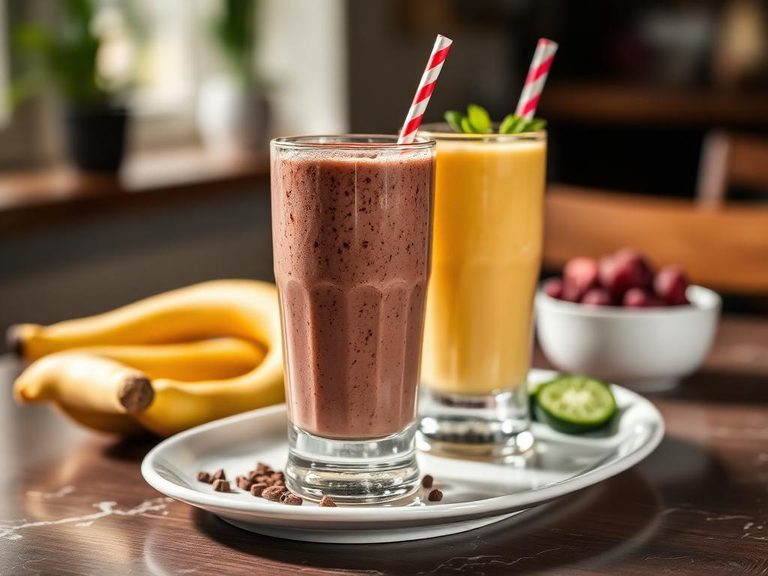
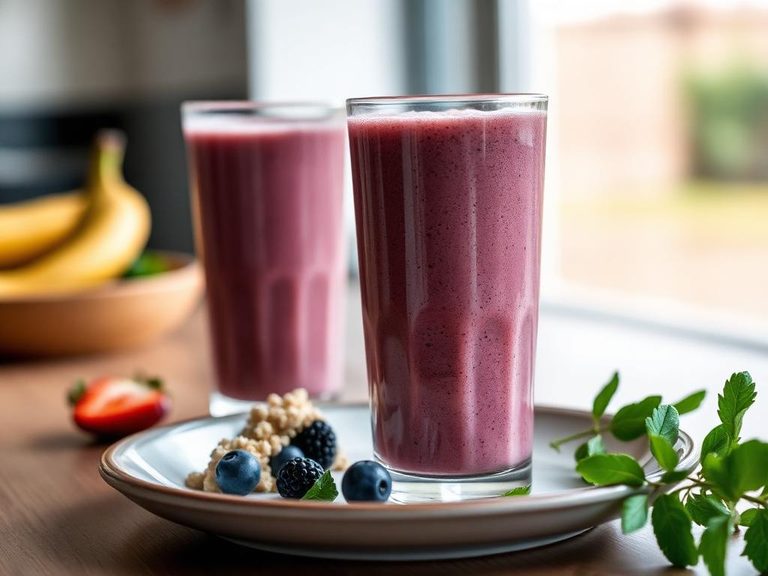

AI estimate may be inaccurate · Terms