

Seaweed, spirulina, raw
Whole food · Vegetables and Vegetable Products
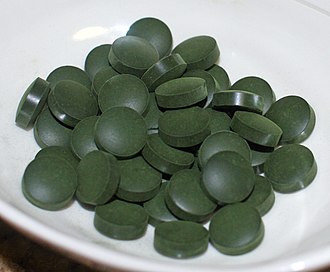
Photo: Wikipedia
Spirulina is a microscopic, spiral-shaped blue-green alga, often sold as a fine, deep emerald powder or crisp flakes. It has a potent, distinctly oceanic and earthy flavor, often described as 'seaweed on steroids,' with a slightly bitter, savory finish. Nutritionally, it's a powerhouse, delivering an impressive 5.92g of complete protein per 100g, along with a rich profile of iron, B-vitamins, and antioxidants.
Calorie split: 64% protein · 26% carbs · 10% fat
↓ Full nutrition💚 Why it's loved
People love spirulina for its unmatched nutrient density, making it an easy 'superfood' boost to smoothies and bowls. Its vibrant, electric-green color is visually striking, and it's deeply embedded in health food culture as a symbol of vitality.
⚠️ Watch-outs & how to enjoy it better
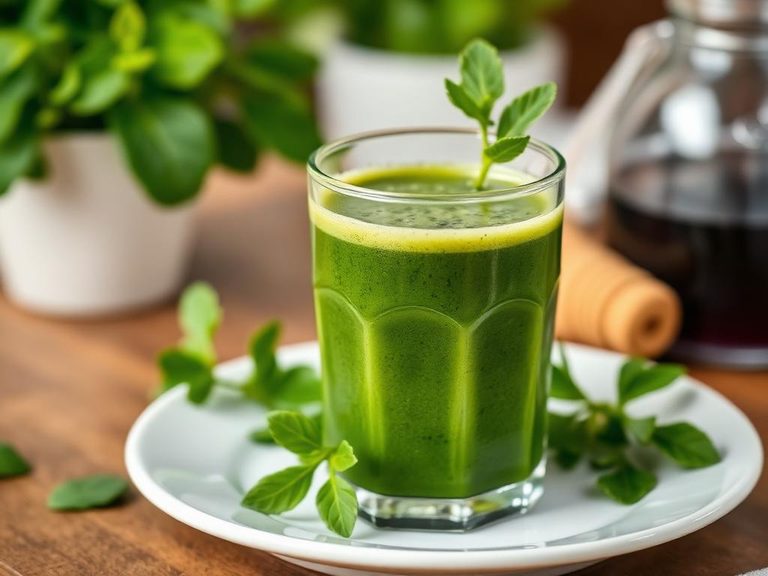
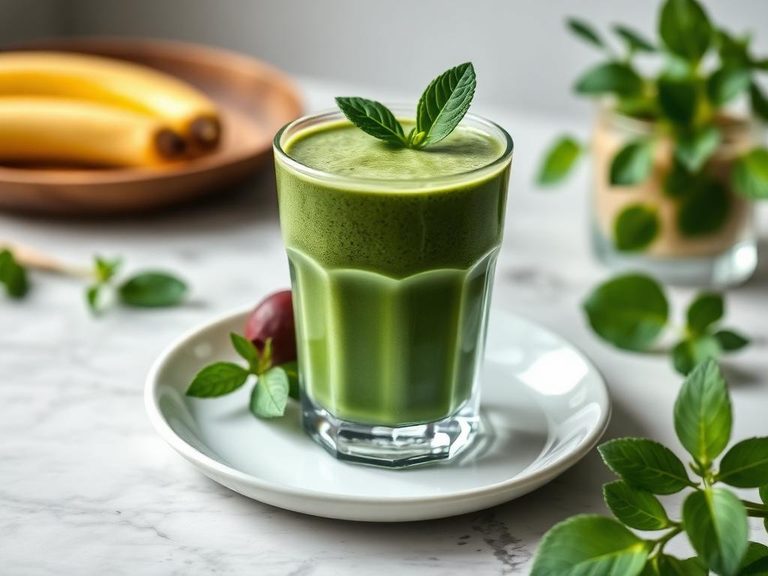
Its strong, fishy, and earthy taste can be overwhelming if not properly masked. It is high in protein and contains Vitamin K, so those on blood thinners like warfarin should consult a doctor. **Tip:** Start with a small 1/2 teaspoon dose mixed into a fruit-heavy smoothie or juice with pineapple or mango to mask the flavor, and gradually increase.
Key benefits
- Exceptionally high in protein by weight, containing all essential amino acids.
- Rich source of iron, more so than spinach per gram.
- Contains phycocyanin, a unique antioxidant pigment with anti-inflammatory properties.
- Provides a natural, concentrated source of B-vitamins, especially thiamine and riboflavin.
- One of the best plant-based sources of gamma-linolenic acid (GLA), an omega-6 fatty acid.
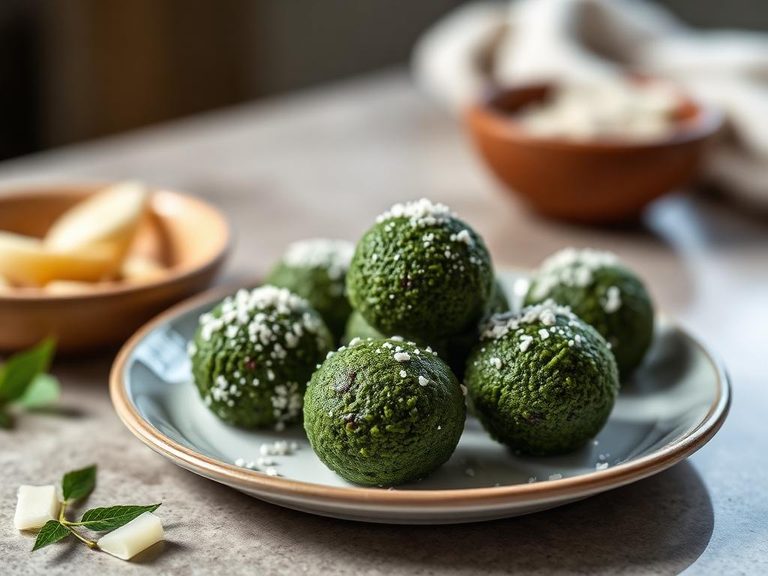
🍽️ Popular dishes
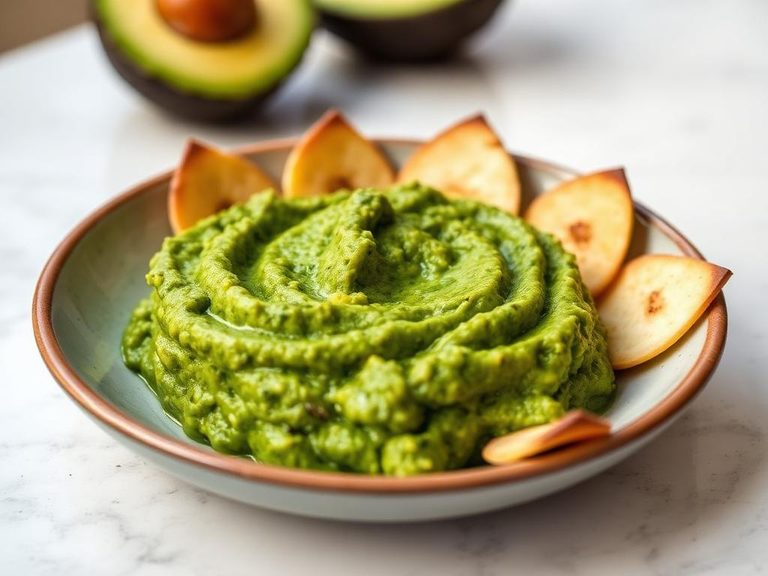
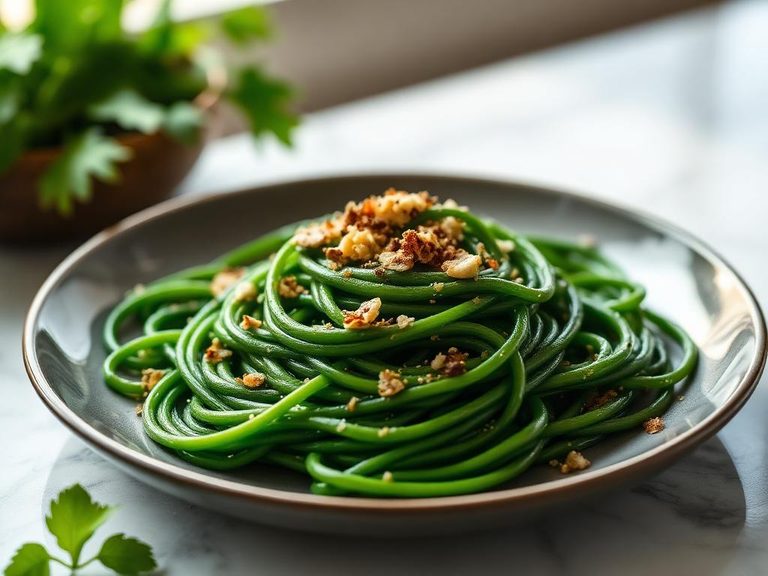
🌍 Where it's eaten
💡 Did you know?
The Aztecs harvested spirulina from Lake Texcoco and called it 'tecuitlatl,' forming it into dried cakes that were a major part of their diet.
Full nutrition (USDA data · scales with serving)
| Water | 90.7 g |
| Energy | 26.0 kcal |
| Energy | 109 kj |
| Protein | 5.9 g |
| Total lipid (fat) | 0.39 g |
| Ash | 0.60 g |
| Carbohydrate, by difference | 2.4 g |
| Fiber, total dietary | 0.40 g |
| Total Sugars | 0.30 g |
| Calcium, Ca | 12.0 mg |
| Iron, Fe | 2.8 mg |
| Magnesium, Mg | 19.0 mg |
| Phosphorus, P | 11.0 mg |
| Potassium, K | 127 mg |
| Sodium, Na | 98.0 mg |
| Zinc, Zn | 0.20 mg |
| Copper, Cu | 0.60 mg |
| Manganese, Mn | 0.19 mg |
| Selenium, Se | 0.70 ug |
| Vitamin C, total ascorbic acid | 0.90 mg |
| Thiamin | 0.22 mg |
| Riboflavin | 0.34 mg |
| Niacin | 1.2 mg |
| Pantothenic acid | 0.33 mg |
| Vitamin B-6 | 0.03 mg |
| Folate, total | 9.0 ug |
| Folic acid | 0.00 ug |
| Folate, food | 9.0 ug |
| Folate, DFE | 9.0 ug |
| Choline, total | 6.5 mg |
| Vitamin B-12 | 0.00 ug |
| Vitamin A, RAE | 3.0 ug |
| Retinol | 0.00 ug |
| Carotene, beta | 33.0 ug |
| Carotene, alpha | 0.00 ug |
| Cryptoxanthin, beta | 0.00 ug |
| Vitamin A, IU | 56.0 iu |
| Lycopene | 0.00 ug |
| Lutein + zeaxanthin | 0.00 ug |
| Vitamin E (alpha-tocopherol) | 0.49 mg |
| Vitamin D (D2 + D3), International Units | 0.00 iu |
| Vitamin D (D2 + D3) | 0.00 ug |
| Vitamin K (phylloquinone) | 2.5 ug |
| Alcohol, ethyl | 0.00 g |
| Caffeine | 0.00 mg |
| Theobromine | 0.00 mg |
Fat & fatty acid profile (per 100g)
| Fatty acids, total saturated | 0.14 g |
| SFA 14:0 | 0.00 g |
| SFA 16:0 | 0.13 g |
| SFA 18:0 | 0.00 g |
| Fatty acids, total monounsaturated | 0.03 g |
| MUFA 16:1 | 0.02 g |
| MUFA 18:1 | 0.02 g |
| Fatty acids, total polyunsaturated | 0.11 g |
| PUFA 18:2 | 0.06 g |
| PUFA 18:3 | 0.04 g |
| Fatty acids, total trans | 0.00 g |
| Cholesterol | 0.00 mg |
Amino acid profile (per 100g)
| Tryptophan | 0.10 g |
| Threonine | 0.31 g |
| Isoleucine | 0.33 g |
| Leucine | 0.51 g |
| Lysine | 0.31 g |
| Methionine | 0.12 g |
| Cystine | 0.07 g |
| Phenylalanine | 0.29 g |
| Tyrosine | 0.27 g |
| Valine | 0.36 g |
| Arginine | 0.43 g |
| Histidine | 0.11 g |
| Alanine | 0.47 g |
| Aspartic acid | 0.60 g |
| Glutamic acid | 0.86 g |
| Glycine | 0.32 g |
| Proline | 0.24 g |
| Serine | 0.31 g |
FAQ
Is spirulina a complete protein?
Yes, spirulina contains all nine essential amino acids, making it a complete protein source, which is relatively rare for plant foods.
Can I cook with spirulina?
It's best added to cold or room-temperature preparations like smoothies, dressings, or energy bars. High heat can degrade its delicate nutrients and intensify its strong flavor.
How much should I take daily?
A common starting dose is 1-3 grams per day, with many supplements using 3 grams (about 1 teaspoon). It's wise to begin with a smaller amount to assess tolerance.
Nutrient density (calculated · NRF9.3)
Nutrient Rich Foods index: beneficial nutrients (protein, fiber, vitamins, minerals) minus saturated fat, added sugar & sodium, per 100 kcal.
NRF9.3 index — Fulgoni, Keast & Drewnowski, 2009. Computed from USDA nutrients.
Weight-loss friendliness (composite index)
Energy density 0.26 kcal/g · 91% calories from protein · 0.4 g fiber · 0.3 g sugar per 100 g.
Composite of energy density (Rolls et al., 1999), protein & fiber satiety, minus sugar. A calculated heuristic — ranks satiety-per-calorie, not a clinical measure.
Dietary load (calculated from USDA values)
Potential renal acid load. Positive = acid-forming, negative = alkaline-forming.
Sodium-to-potassium ratio: 0.77 (lower is better — aim for ≤ 1)
Sodium:potassium per WHO potassium guidance. Computed from USDA nutrients.