

Sauce, cheese, ready-to-serve
Whole food · Soups, Sauces, and Gravies

Photo: Wikipedia
A smooth, velvety sauce made from melted cheese and other ingredients, offering a rich, creamy texture and a savory, umami-packed flavor. Nutritionally, it's a calorie-dense source of fat and protein, providing a quick energy boost and satiety.
Calorie split: 15% protein · 16% carbs · 69% fat
↓ Full nutrition💚 Why it's loved
People adore its luxurious, comforting creaminess and its unparalleled ability to transform simple foods like vegetables, pasta, or chips into a decadent treat. It's a staple of indulgent comfort food culture.
⚠️ Watch-outs & how to enjoy it better
Its high fat and calorie content can be a concern for those monitoring weight or heart health. To enjoy it mindfully, practice portion control and pair it with fiber-rich foods like steamed broccoli or whole-grain crackers to slow digestion and add nutritional balance.
Key benefits
- Provides a good source of protein for muscle maintenance.
- High in fat, which aids in the absorption of fat-soluble vitamins.
- Offers a quick and convenient source of calories and energy.
- Enhances the flavor and palatability of many dishes.
🍽️ Popular dishes
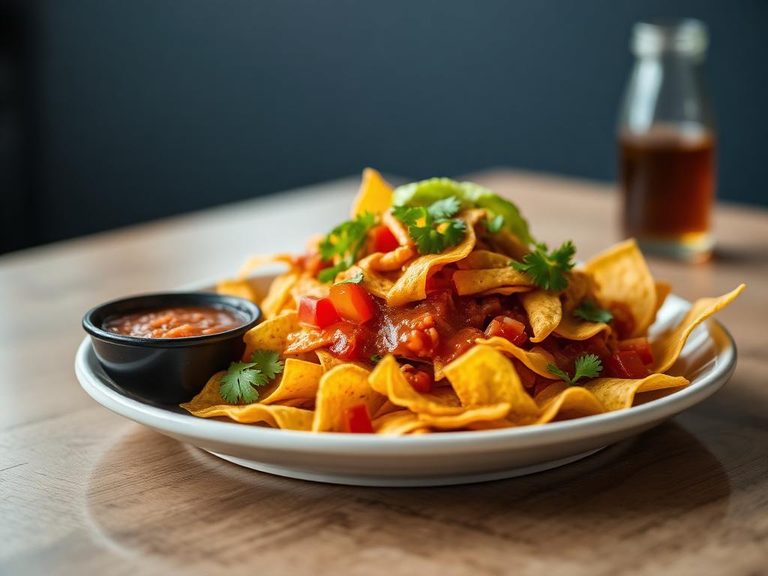
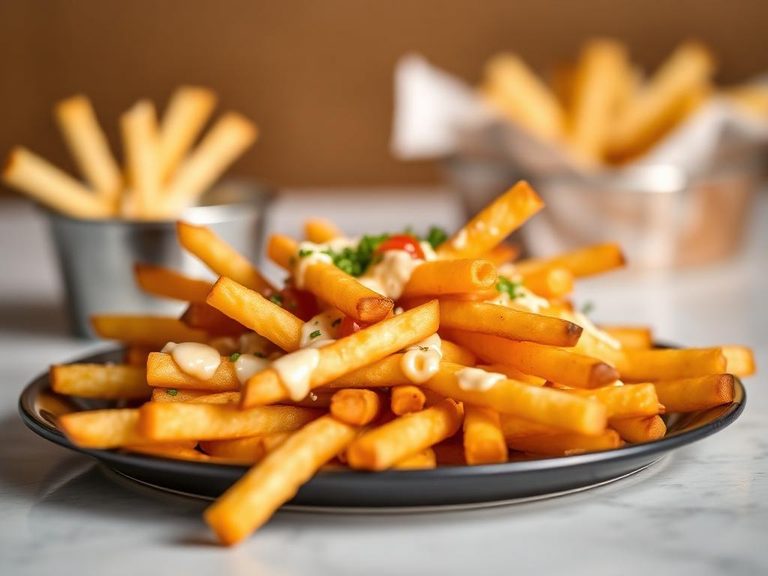
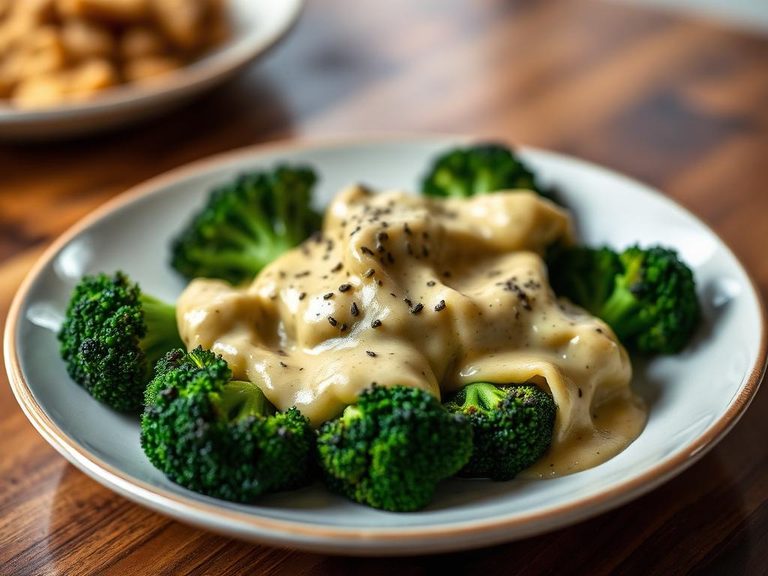
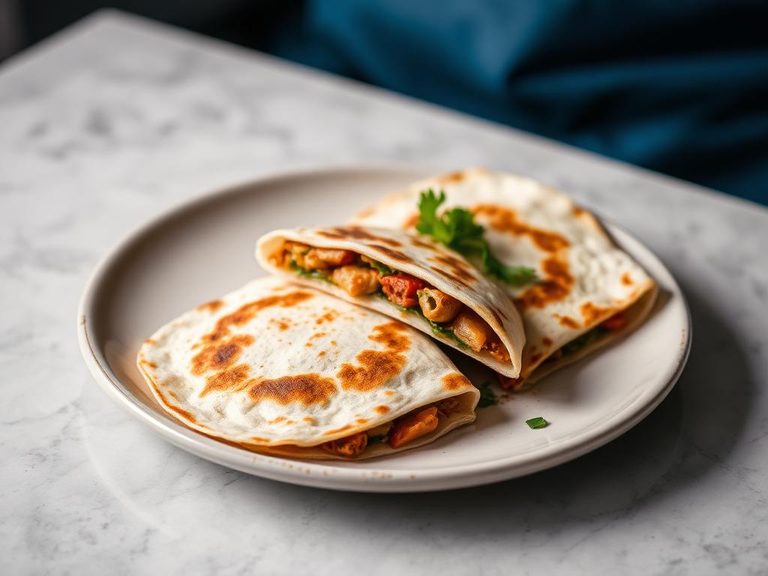
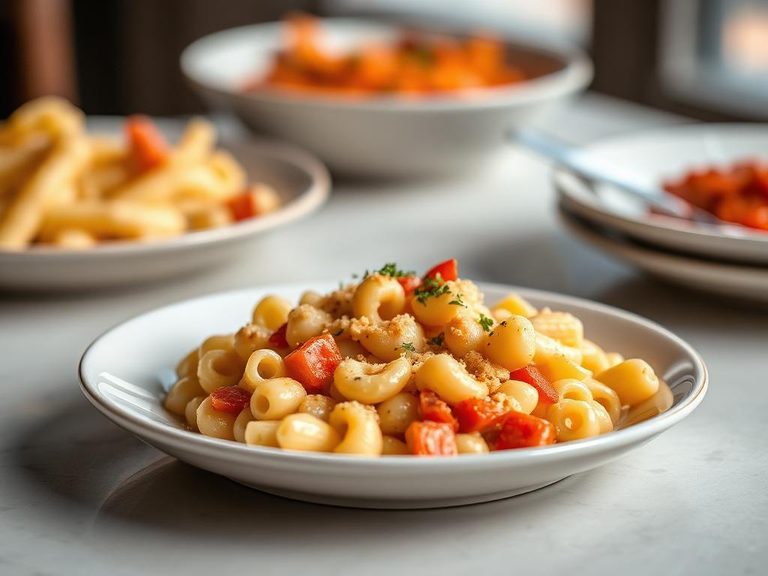
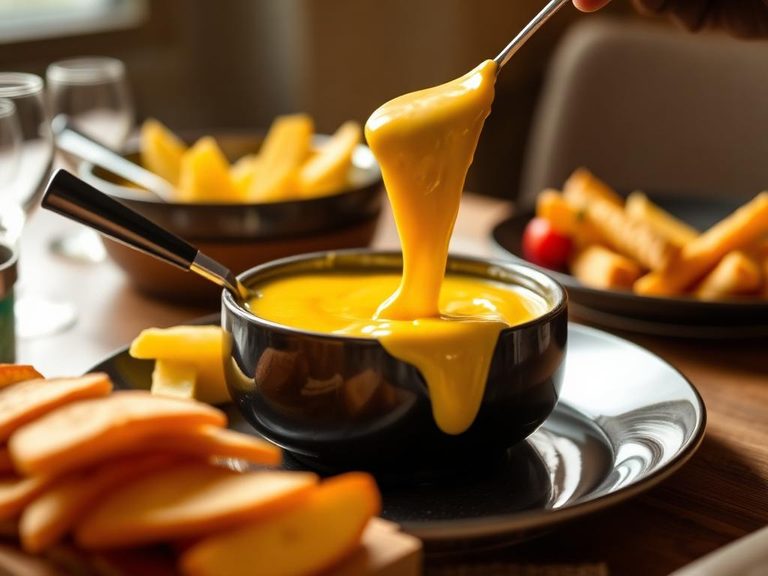
🌍 Where it's eaten
💡 Did you know?
The most iconic 'cheese sauce' for nachos, often called 'nacho cheese,' was reportedly invented by a maître d' named Ignacio Anaya in 1943, who named it after himself: 'Nacho's Especial.'
Full nutrition (USDA data · scales with serving)
| Water | 70.5 g |
| Energy | 174 kcal |
| Energy | 728 kj |
| Protein | 6.7 g |
| Total lipid (fat) | 13.3 g |
| Ash | 2.7 g |
| Carbohydrate, by difference | 6.8 g |
| Fiber, total dietary | 0.50 g |
| Total Sugars | 0.42 g |
| Calcium, Ca | 184 mg |
| Iron, Fe | 0.21 mg |
| Magnesium, Mg | 9.0 mg |
| Phosphorus, P | 157 mg |
| Potassium, K | 30.0 mg |
| Sodium, Na | 828 mg |
| Zinc, Zn | 0.98 mg |
| Copper, Cu | 0.02 mg |
| Manganese, Mn | 0.01 mg |
| Selenium, Se | 3.2 ug |
| Fluoride, F | 29.0 ug |
| Vitamin C, total ascorbic acid | 0.40 mg |
| Thiamin | 0.01 mg |
| Riboflavin | 0.11 mg |
| Niacin | 0.02 mg |
| Pantothenic acid | 0.13 mg |
| Vitamin B-6 | 0.02 mg |
| Folate, total | 4.0 ug |
| Folic acid | 0.00 ug |
| Folate, food | 4.0 ug |
| Folate, DFE | 4.0 ug |
| Vitamin B-12 | 0.14 ug |
| Vitamin A, RAE | 80.0 ug |
| Retinol | 77.0 ug |
| Vitamin A, IU | 316 iu |
| Alcohol, ethyl | 0.00 g |
Fat & fatty acid profile (per 100g)
| Fatty acids, total saturated | 6.0 g |
| SFA 4:0 | 0.27 g |
| SFA 6:0 | 0.13 g |
| SFA 8:0 | 0.07 g |
| SFA 10:0 | 0.15 g |
| SFA 12:0 | 0.14 g |
| SFA 14:0 | 0.86 g |
| SFA 16:0 | 3.2 g |
| SFA 18:0 | 1.2 g |
| Fatty acids, total monounsaturated | 3.8 g |
| MUFA 16:1 | 0.26 g |
| MUFA 18:1 | 3.4 g |
| MUFA 20:1 | 0.00 g |
| MUFA 22:1 | 0.00 g |
| Fatty acids, total polyunsaturated | 2.6 g |
| PUFA 18:2 | 2.4 g |
| PUFA 18:3 | 0.23 g |
| PUFA 18:4 | 0.00 g |
| PUFA 20:4 | 0.00 g |
| PUFA 20:5 n-3 (EPA) | 0.00 g |
| PUFA 22:5 n-3 (DPA) | 0.00 g |
| PUFA 22:6 n-3 (DHA) | 0.00 g |
| Cholesterol | 29.0 mg |
Amino acid profile (per 100g)
Estimated from Sauce, homemade, white, medium — USDA does not publish this profile for Sauce.
| Tryptophan | 0.04 g |
| Threonine | 0.14 g |
| Isoleucine | 0.19 g |
| Leucine | 0.30 g |
| Lysine | 0.24 g |
| Methionine | 0.08 g |
| Cystine | 0.03 g |
| Phenylalanine | 0.15 g |
| Tyrosine | 0.15 g |
| Valine | 0.20 g |
| Arginine | 0.11 g |
| Histidine | 0.08 g |
| Alanine | 0.10 g |
| Aspartic acid | 0.23 g |
| Glutamic acid | 0.64 g |
| Glycine | 0.07 g |
| Proline | 0.30 g |
| Serine | 0.17 g |
FAQ
Is cheese sauce the same as melted cheese?
Not exactly. Cheese sauce is a prepared sauce, often with a béchamel base (milk, butter, flour) and added cheese, while melted cheese is simply cheese heated until it becomes liquid. The sauce has a smoother, more pourable consistency.
Can I make a lower-fat version at home?
Yes, you can reduce fat by using low-fat milk, a smaller amount of strong-flavored cheese (like sharp cheddar), and thickening with pureed cauliflower or cornstarch instead of a traditional butter-flour roux.
Why does my homemade cheese sauce sometimes become grainy?
This is often due to overheating or using cheese with a high moisture content. To prevent it, melt the cheese over very low heat, remove the pan from the heat source before adding cheese, and stir in a small amount of acid like a splash of lemon juice or white wine to help stabilize the emulsion.
Nutrient density (calculated · NRF9.3)
Nutrient Rich Foods index: beneficial nutrients (protein, fiber, vitamins, minerals) minus saturated fat, added sugar & sodium, per 100 kcal.
NRF9.3 index — Fulgoni, Keast & Drewnowski, 2009. Computed from USDA nutrients.
Weight-loss friendliness (composite index)
Energy density 1.74 kcal/g · 15% calories from protein · 0.5 g fiber · 0.4 g sugar per 100 g.
Composite of energy density (Rolls et al., 1999), protein & fiber satiety, minus sugar. A calculated heuristic — ranks satiety-per-calorie, not a clinical measure.
Dietary load (calculated from USDA values)
Potential renal acid load. Positive = acid-forming, negative = alkaline-forming.
Sodium-to-potassium ratio: 27.60 (lower is better — aim for ≤ 1)
Sodium:potassium per WHO potassium guidance. Computed from USDA nutrients.