

Raspberries, frozen, red, sweetened
Whole food · Fruits and Fruit Juices

Photo: Wikipedia
Sweetened frozen red raspberries are vibrant, jewel-toned berries flash-frozen at peak ripeness and tossed with a light sugar coating to preserve their bright, tangy-sweet flavor. The texture softens slightly upon thawing, releasing a burst of juicy, jammy sweetness with a pleasant, subtle tartness. Despite the added sugar, they remain a low-calorie, high-fiber option, offering a convenient way to enjoy the classic raspberry taste year-round.
Calorie split: 3% protein · 96% carbs · 1% fat
↓ Full nutrition💚 Why it's loved
People adore them for their intense, concentrated berry flavor that's both sweet and tart, and their incredible versatility in everything from smoothies to baked goods. They are a staple in many cultures for desserts and preserves, offering a nostalgic taste of summer even in winter.
⚠️ Watch-outs & how to enjoy it better
The added sugar (21.76g per 100g) can contribute to blood sugar spikes, so portion control is key for those monitoring intake. To counteract this, pair them with a source of protein or healthy fat (like Greek yogurt or nuts) to slow sugar absorption. Also, be mindful of the oxalate content if you have a history of kidney stones.
Key benefits
- Excellent source of dietary fiber (4.4g per 100g) for digestive health.
- Rich in antioxidants, particularly vitamin C and anthocyanins.
- Low in fat (0.16g per 100g) and a good source of natural sugars for quick energy.
- Convenient and affordable way to enjoy out-of-season berries.
- Versatile ingredient for both sweet and savory applications.
🍽️ Popular dishes
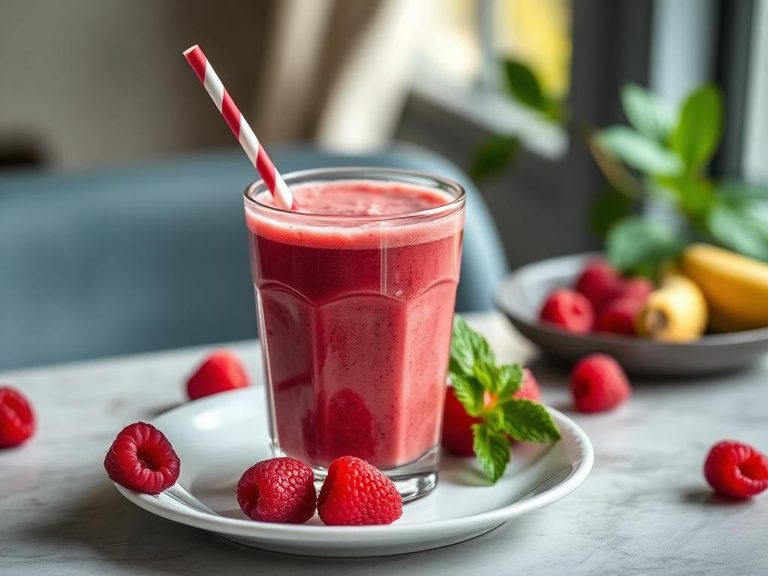
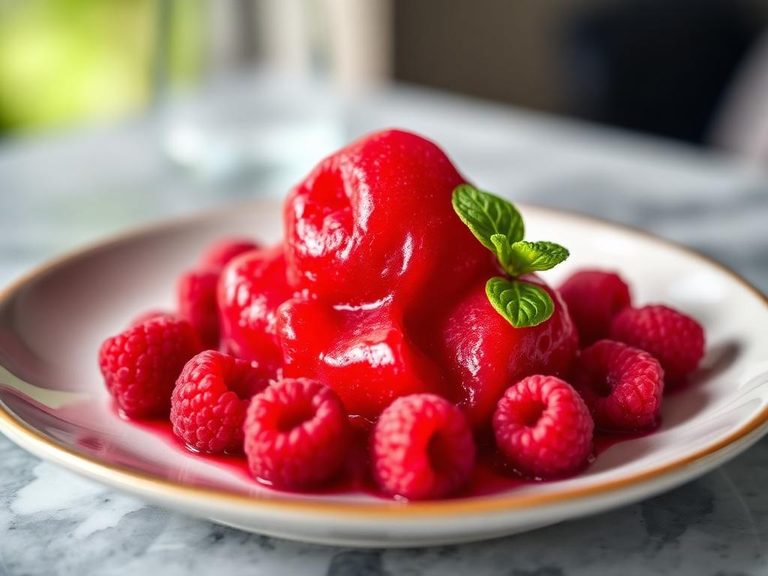
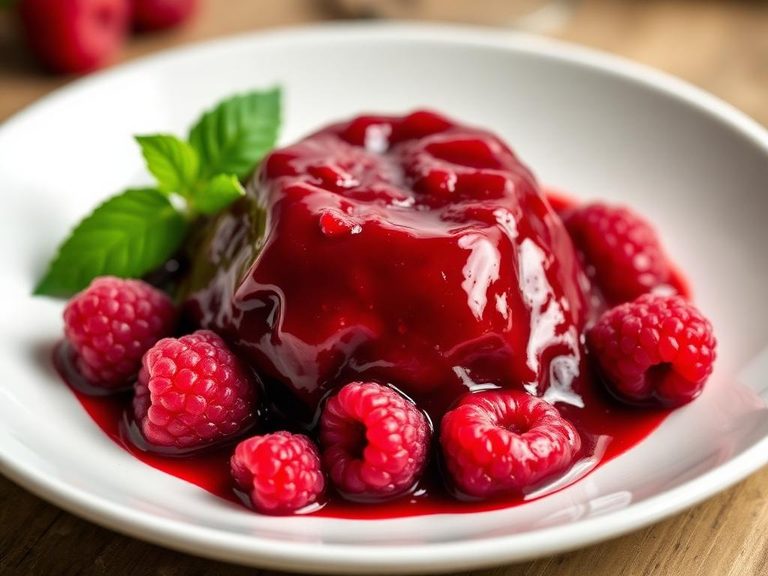
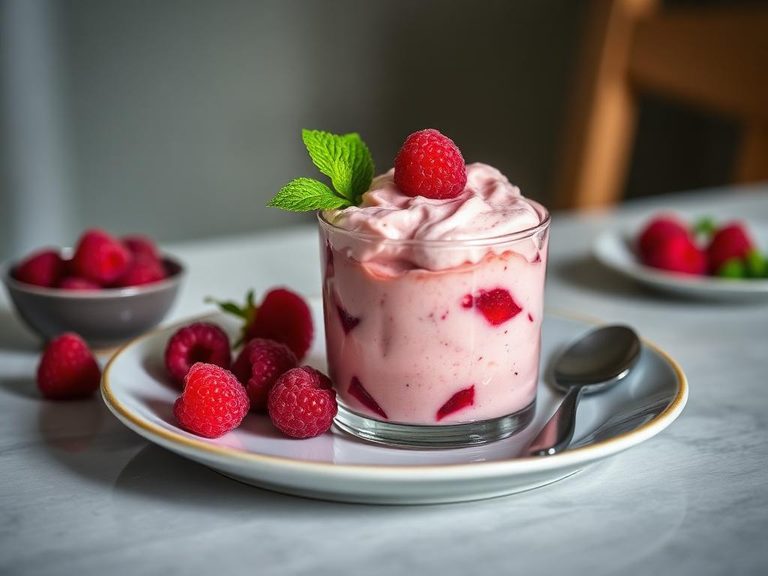
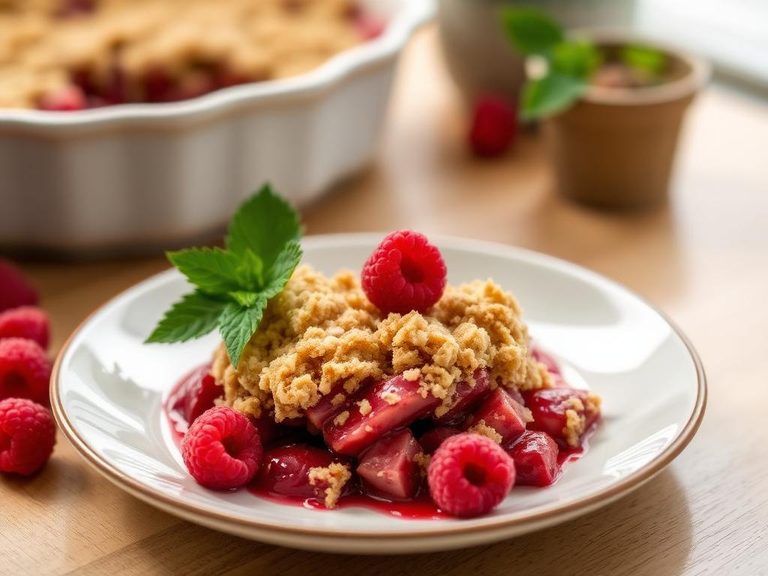
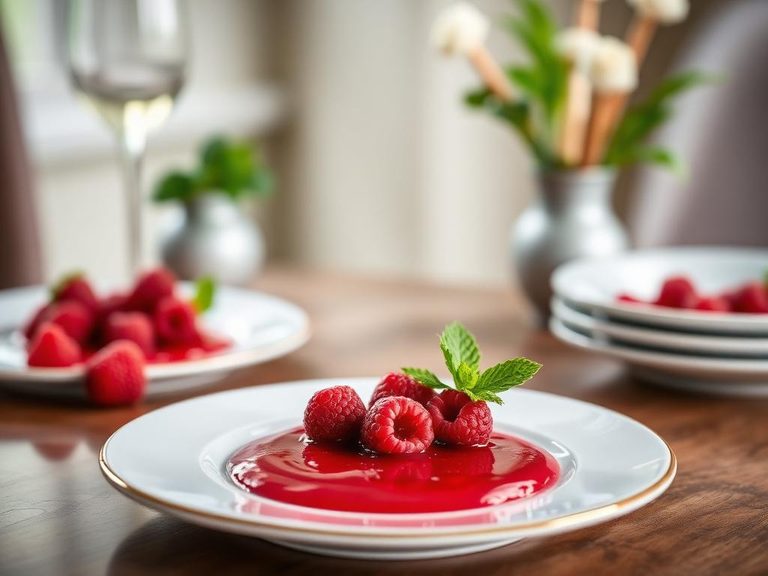
🌍 Where it's eaten
💡 Did you know?
Raspberries are not true berries botanically; they are an aggregate fruit made up of many tiny drupelets, each containing a single seed.
Full nutrition (USDA data · scales with serving)
| Water | 72.8 g |
| Energy | 103 kcal |
| Energy | 431 kj |
| Protein | 0.70 g |
| Total lipid (fat) | 0.16 g |
| Ash | 0.24 g |
| Carbohydrate, by difference | 26.2 g |
| Fiber, total dietary | 4.4 g |
| Total Sugars | 21.8 g |
| Calcium, Ca | 15.0 mg |
| Iron, Fe | 0.65 mg |
| Magnesium, Mg | 13.0 mg |
| Phosphorus, P | 17.0 mg |
| Potassium, K | 114 mg |
| Sodium, Na | 1.0 mg |
| Zinc, Zn | 0.18 mg |
| Copper, Cu | 0.10 mg |
| Manganese, Mn | 0.65 mg |
| Selenium, Se | 0.30 ug |
| Vitamin C, total ascorbic acid | 16.5 mg |
| Thiamin | 0.02 mg |
| Riboflavin | 0.04 mg |
| Niacin | 0.23 mg |
| Pantothenic acid | 0.15 mg |
| Vitamin B-6 | 0.03 mg |
| Folate, total | 26.0 ug |
| Folic acid | 0.00 ug |
| Folate, food | 26.0 ug |
| Folate, DFE | 26.0 ug |
| Choline, total | 10.2 mg |
| Vitamin B-12 | 0.00 ug |
| Vitamin B-12, added | 0.00 ug |
| Vitamin A, RAE | 3.0 ug |
| Retinol | 0.00 ug |
| Carotene, beta | 21.0 ug |
| Carotene, alpha | 29.0 ug |
| Cryptoxanthin, beta | 0.00 ug |
| Vitamin A, IU | 60.0 iu |
| Lycopene | 0.00 ug |
| Lutein + zeaxanthin | 113 ug |
| Vitamin E (alpha-tocopherol) | 0.72 mg |
| Vitamin E, added | 0.00 mg |
| Vitamin D (D2 + D3), International Units | 0.00 iu |
| Vitamin D (D2 + D3) | 0.00 ug |
| Vitamin K (phylloquinone) | 6.5 ug |
| Alcohol, ethyl | 0.00 g |
| Caffeine | 0.00 mg |
| Theobromine | 0.00 mg |
Fat & fatty acid profile (per 100g)
| Fatty acids, total saturated | 0.01 g |
| SFA 4:0 | 0.00 g |
| SFA 6:0 | 0.00 g |
| SFA 8:0 | 0.00 g |
| SFA 10:0 | 0.00 g |
| SFA 12:0 | 0.00 g |
| SFA 14:0 | 0.00 g |
| SFA 16:0 | 0.00 g |
| SFA 18:0 | 0.00 g |
| Fatty acids, total monounsaturated | 0.01 g |
| MUFA 16:1 | 0.00 g |
| MUFA 18:1 | 0.01 g |
| MUFA 20:1 | 0.00 g |
| MUFA 22:1 | 0.00 g |
| Fatty acids, total polyunsaturated | 0.09 g |
| PUFA 18:2 | 0.06 g |
| PUFA 18:3 | 0.03 g |
| PUFA 18:4 | 0.00 g |
| PUFA 20:4 | 0.00 g |
| PUFA 20:5 n-3 (EPA) | 0.00 g |
| PUFA 22:5 n-3 (DPA) | 0.00 g |
| PUFA 22:6 n-3 (DHA) | 0.00 g |
| Fatty acids, total trans | 0.00 g |
| Cholesterol | 0.00 mg |
FAQ
How do frozen raspberries differ from fresh ones?
Frozen raspberries are picked at peak ripeness and flash-frozen, which preserves their nutrients and flavor well. They are often softer and juicier when thawed compared to fresh raspberries, making them ideal for cooking, baking, and smoothies, but less ideal for fresh eating where texture is key.
Are sweetened frozen raspberries high in sugar?
Yes, they contain added sugar (about 21.76g per 100g), which increases their calorie content compared to unsweetened varieties. If you're monitoring sugar intake, look for unsweetened frozen raspberries or use them in moderation and pair with protein or fat.
Can I use sweetened frozen raspberries in baking?
Absolutely. They are excellent in baking, as they hold their shape reasonably well and add moisture and flavor. However, you may need to reduce the sugar in your recipe to compensate for the sweetness of the berries. Thaw them slightly and drain any excess liquid before adding to batters or fillings.
Nutrient density (calculated · NRF9.3)
Nutrient Rich Foods index: beneficial nutrients (protein, fiber, vitamins, minerals) minus saturated fat, added sugar & sodium, per 100 kcal.
NRF9.3 index — Fulgoni, Keast & Drewnowski, 2009. Computed from USDA nutrients.
Weight-loss friendliness (composite index)
Energy density 1.03 kcal/g · 3% calories from protein · 4.4 g fiber · 21.8 g sugar per 100 g.
Composite of energy density (Rolls et al., 1999), protein & fiber satiety, minus sugar. A calculated heuristic — ranks satiety-per-calorie, not a clinical measure.
Dietary load (calculated from USDA values)
Potential renal acid load. Positive = acid-forming, negative = alkaline-forming.
Sodium-to-potassium ratio: 0.01 (lower is better — aim for ≤ 1)
Sodium:potassium per WHO potassium guidance. Computed from USDA nutrients.