

Pheasant, breast, meat only, raw
Whole food · Poultry Products

Photo: Wikipedia
Pheasant breast is a lean, elegant game bird meat, prized for its fine-grained, tender texture and a flavor that's subtly richer than chicken, with a delicate, slightly sweet, and earthy undertone. Nutritionally, it's a powerhouse of high-quality protein with virtually no fat or carbohydrates, making it an exceptionally clean source of fuel for muscle maintenance and satiety.
Calorie split: 77% protein · 0% carbs · 23% fat
↓ Full nutrition💚 Why it's loved
People love pheasant breast for its refined, nuanced flavor that feels like a gourmet upgrade from everyday poultry, offering a taste of the wild. Its quick-cooking, tender nature makes it incredibly versatile for both rustic and elegant preparations, from a simple pan-sear to a sophisticated roulade.
⚠️ Watch-outs & how to enjoy it better
As an extremely lean meat, it can dry out and become tough if overcooked, which is a common pitfall for those accustomed to fattier cuts. To counteract this, use quick, high-heat cooking methods (grilling, sautéing) or brine the meat beforehand to lock in moisture. It's also a game meat, so some may find its flavor stronger than chicken; pairing it with fruit-based sauces (like cranberry or cherry) or creamy preparations can balance this.
Key benefits
- Extremely high in lean protein for muscle synthesis.
- Very low in total fat and saturated fat.
- Zero carbohydrates, making it ideal for ketogenic or low-carb diets.
- Rich in B vitamins, particularly niacin (B3) and B6, for energy metabolism.
- A good source of minerals like selenium and phosphorus.
🍽️ Popular dishes
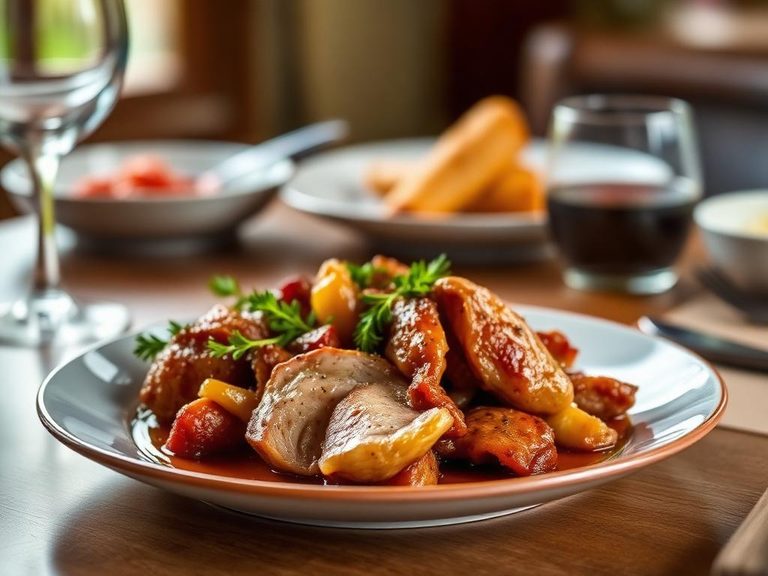
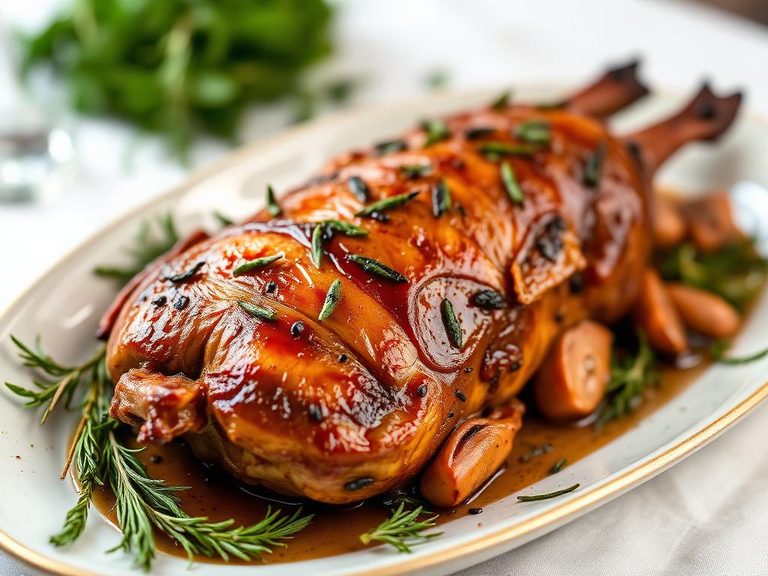
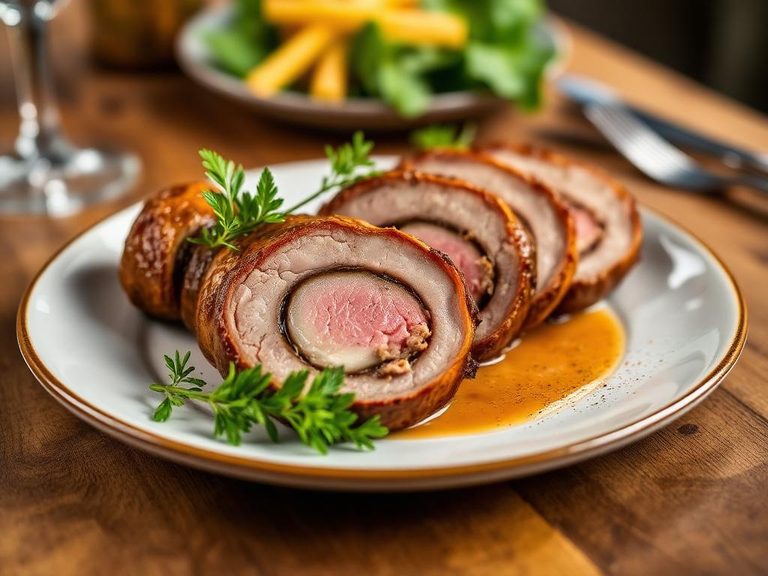
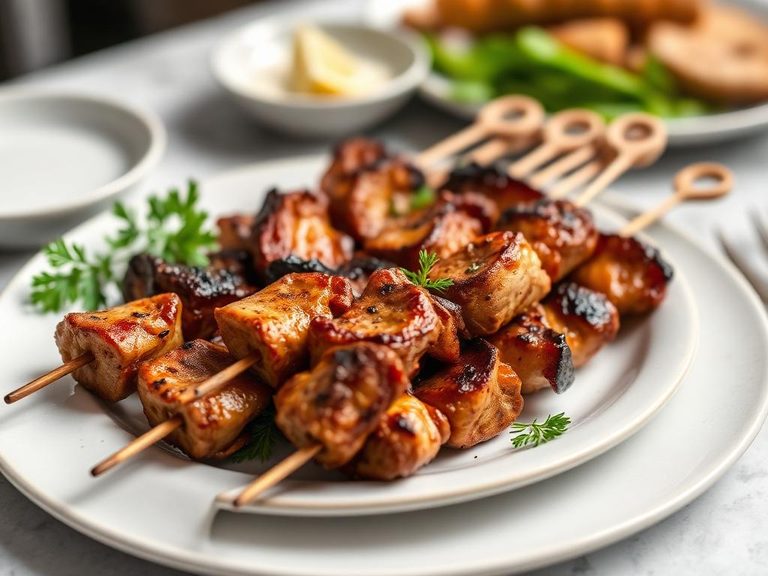
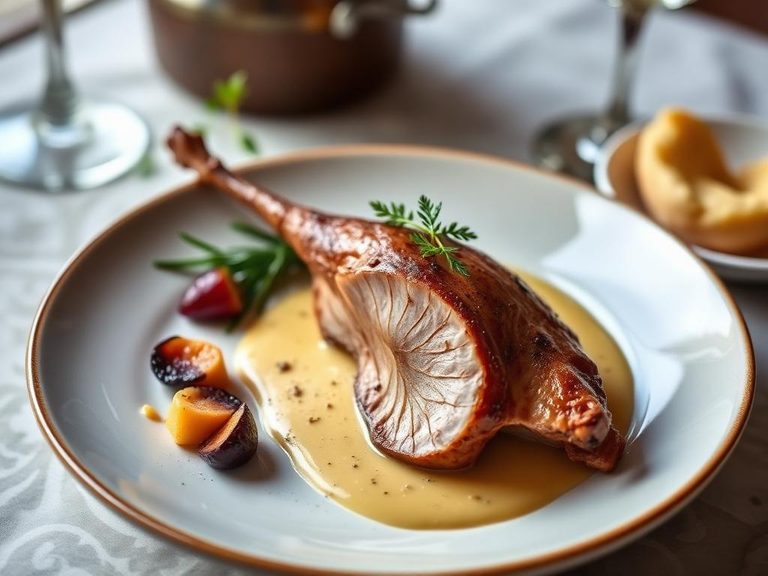
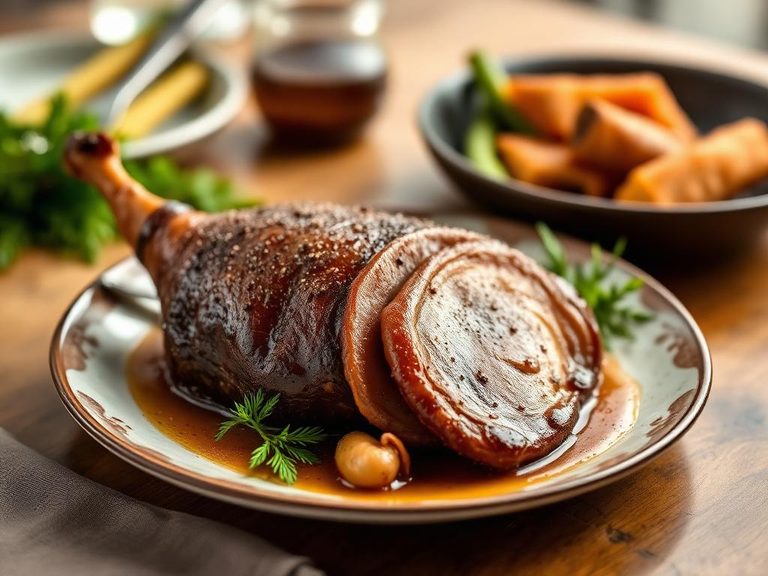
🌍 Where it's eaten
💡 Did you know?
Pheasants are not native to the Americas; they were introduced from Asia, with the common ring-necked pheasant being brought to North America in the late 19th century for hunting.
Full nutrition (USDA data · scales with serving)
| Water | 72.4 g |
| Energy | 133 kcal |
| Energy | 556 kj |
| Protein | 24.4 g |
| Total lipid (fat) | 3.3 g |
| Ash | 1.3 g |
| Carbohydrate, by difference | 0.00 g |
| Fiber, total dietary | 0.00 g |
| Calcium, Ca | 3.0 mg |
| Iron, Fe | 0.79 mg |
| Magnesium, Mg | 21.0 mg |
| Phosphorus, P | 200 mg |
| Potassium, K | 242 mg |
| Sodium, Na | 33.0 mg |
| Zinc, Zn | 0.63 mg |
| Copper, Cu | 0.05 mg |
| Manganese, Mn | 0.01 mg |
| Selenium, Se | 16.7 ug |
| Vitamin C, total ascorbic acid | 6.0 mg |
| Thiamin | 0.08 mg |
| Riboflavin | 0.12 mg |
| Niacin | 8.6 mg |
| Pantothenic acid | 0.96 mg |
| Vitamin B-6 | 0.74 mg |
| Folate, total | 4.0 ug |
| Folic acid | 0.00 ug |
| Folate, food | 4.0 ug |
| Folate, DFE | 4.0 ug |
| Vitamin B-12 | 0.84 ug |
| Vitamin A, RAE | 44.0 ug |
| Retinol | 44.0 ug |
| Vitamin A, IU | 147 iu |
Fat & fatty acid profile (per 100g)
| Fatty acids, total saturated | 1.1 g |
| SFA 10:0 | 0.00 g |
| SFA 12:0 | 0.04 g |
| SFA 14:0 | 0.03 g |
| SFA 16:0 | 0.67 g |
| SFA 18:0 | 0.32 g |
| Fatty acids, total monounsaturated | 1.0 g |
| MUFA 16:1 | 0.18 g |
| MUFA 18:1 | 0.86 g |
| MUFA 20:1 | 0.00 g |
| MUFA 22:1 | 0.00 g |
| Fatty acids, total polyunsaturated | 0.55 g |
| PUFA 18:2 | 0.48 g |
| PUFA 18:3 | 0.07 g |
| PUFA 20:4 | 0.00 g |
| PUFA 20:5 n-3 (EPA) | 0.00 g |
| PUFA 22:5 n-3 (DPA) | 0.00 g |
| PUFA 22:6 n-3 (DHA) | 0.00 g |
| Cholesterol | 58.0 mg |
Amino acid profile (per 100g)
| Tryptophan | 0.34 g |
| Threonine | 1.2 g |
| Isoleucine | 1.4 g |
| Leucine | 2.1 g |
| Lysine | 2.2 g |
| Methionine | 0.71 g |
| Cystine | 0.32 g |
| Phenylalanine | 0.95 g |
| Tyrosine | 0.80 g |
| Valine | 1.3 g |
| Arginine | 1.5 g |
| Histidine | 0.97 g |
| Alanine | 1.5 g |
| Aspartic acid | 2.4 g |
| Glutamic acid | 3.6 g |
| Glycine | 1.1 g |
| Proline | 0.89 g |
| Serine | 1.0 g |
FAQ
How does pheasant breast taste compared to chicken?
Pheasant has a more complex, slightly gamier and earthier flavor than chicken, with a subtle sweetness. The texture is finer and leaner, requiring careful cooking to stay moist.
What's the best way to cook pheasant breast to keep it tender?
Quick, high-heat methods are best: sear in a hot pan for 3-4 minutes per side, grill, or roast at a high temperature (425°F/220°C). Brining for 30 minutes before cooking also greatly improves moisture retention.
Is pheasant breast a sustainable meat choice?
Sustainability varies. Wild pheasant from well-managed hunting areas can be sustainable. Farm-raised pheasant's impact depends on the specific farm's practices regarding feed, land use, and waste management.
Nutrient density (calculated · NRF9.3)
Nutrient Rich Foods index: beneficial nutrients (protein, fiber, vitamins, minerals) minus saturated fat, added sugar & sodium, per 100 kcal.
NRF9.3 index — Fulgoni, Keast & Drewnowski, 2009. Computed from USDA nutrients.
Weight-loss friendliness (composite index)
Energy density 1.33 kcal/g · 73% calories from protein · 0.0 g fiber · 0.0 g sugar per 100 g.
Composite of energy density (Rolls et al., 1999), protein & fiber satiety, minus sugar. A calculated heuristic — ranks satiety-per-calorie, not a clinical measure.
Dietary load (calculated from USDA values)
Potential renal acid load. Positive = acid-forming, negative = alkaline-forming.
Sodium-to-potassium ratio: 0.14 (lower is better — aim for ≤ 1)
Sodium:potassium per WHO potassium guidance. Computed from USDA nutrients.