

Pasta, gluten-free, corn, dry
Whole food · Cereal Grains and Pasta
This is a dry, gluten-free pasta made from corn flour, offering a firm, slightly chewy texture with a mild, earthy corn flavor. It's a staple for those avoiding wheat, providing a hearty, satisfying base for a wide range of sauces. Nutritionally, it's a high-carbohydrate energy source with a notable 11g of fiber per 100g.
Calorie split: 8% protein · 87% carbs · 5% fat
↓ Full nutrition💚 Why it's loved
People love it for its ability to closely mimic the satisfying al dente bite of traditional pasta, making it a comforting and reliable staple. Its mild flavor acts as a perfect canvas, absorbing the tastes of rich sauces, herbs, and spices from countless global cuisines.
⚠️ Watch-outs & how to enjoy it better
Its high carbohydrate content (79.26g per 100g) can cause blood-sugar spikes if eaten alone, especially for those managing diabetes. To counteract this, always pair it with a source of protein (like chicken, beans, or cheese) and healthy fats (like olive oil or avocado) to slow digestion and create a more balanced meal.
Key benefits
- Gluten-free alternative for celiac or gluten-sensitive diets
- High in dietary fiber (11g per 100g) for digestive health
- Good source of complex carbohydrates for sustained energy
- Naturally low in fat (2.08g per 100g)
- Versatile base for both hot and cold dishes
🍽️ Popular dishes
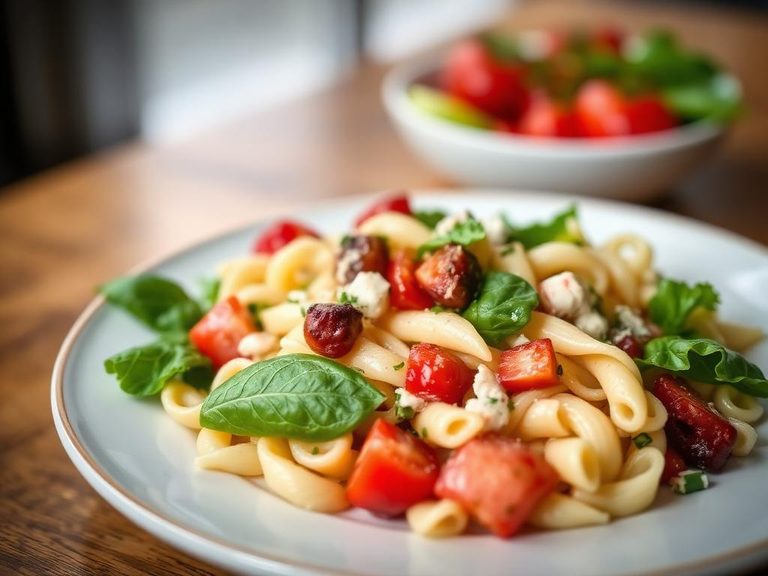
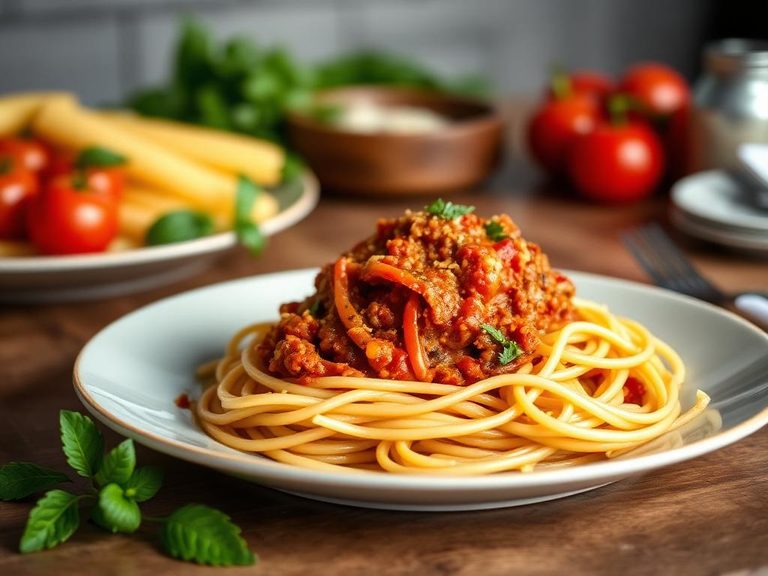
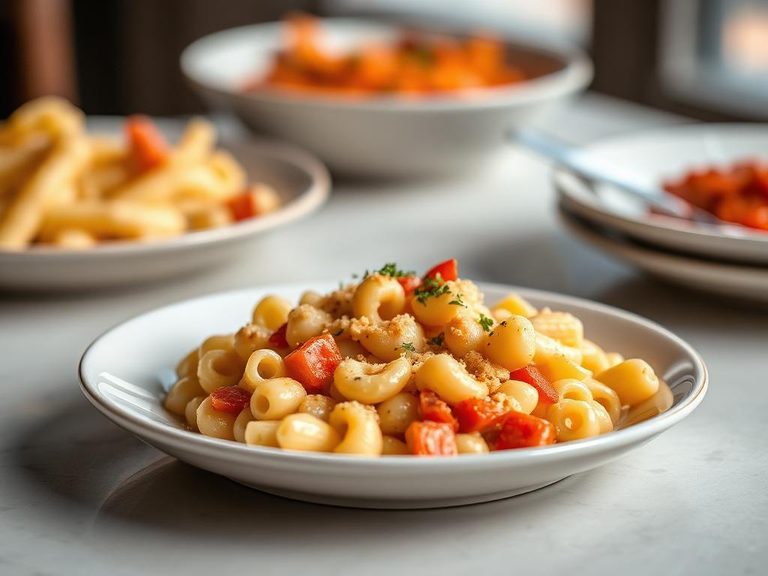
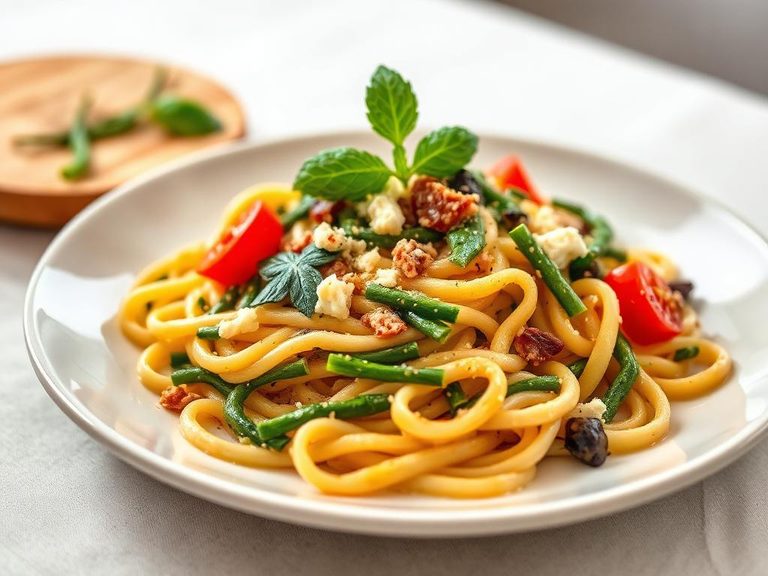
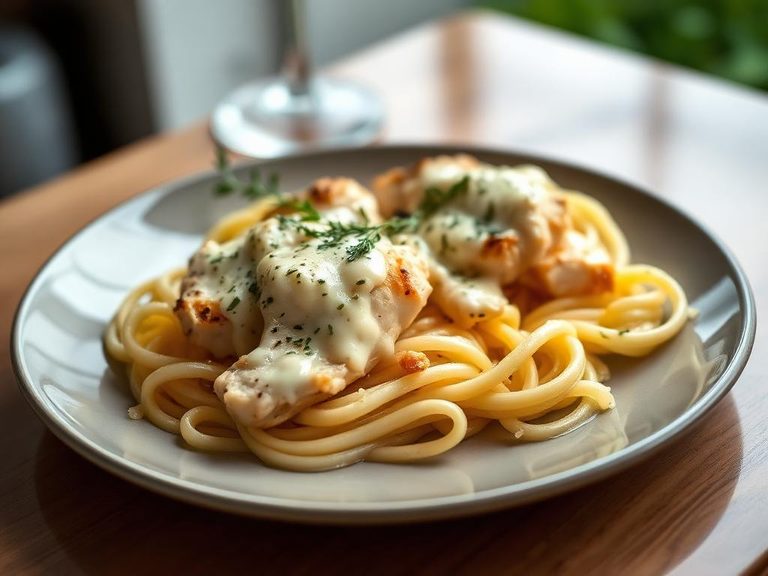
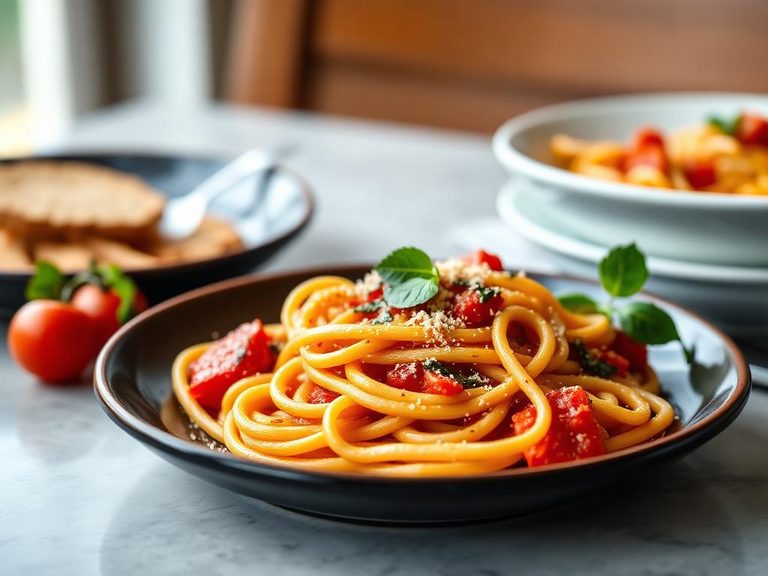
🌍 Where it's eaten
💡 Did you know?
Corn pasta was developed as a modern staple, but corn itself has been ground into dough for tortillas and tamales in the Americas for thousands of years, making its use in pasta a contemporary twist on an ancient grain.
Full nutrition (USDA data · scales with serving)
| Water | 10.0 g |
| Energy | 357 kcal |
| Energy | 1494 kj |
| Protein | 7.5 g |
| Total lipid (fat) | 2.1 g |
| Ash | 1.2 g |
| Carbohydrate, by difference | 79.3 g |
| Fiber, total dietary | 11.0 g |
| Calcium, Ca | 4.0 mg |
| Iron, Fe | 0.93 mg |
| Magnesium, Mg | 119 mg |
| Phosphorus, P | 253 mg |
| Potassium, K | 294 mg |
| Sodium, Na | 3.0 mg |
| Zinc, Zn | 1.8 mg |
| Copper, Cu | 0.20 mg |
| Manganese, Mn | 0.48 mg |
| Selenium, Se | 7.9 ug |
| Vitamin C, total ascorbic acid | 0.00 mg |
| Thiamin | 0.23 mg |
| Riboflavin | 0.09 mg |
| Niacin | 2.4 mg |
| Pantothenic acid | 0.48 mg |
| Vitamin B-6 | 0.21 mg |
| Folate, total | 25.0 ug |
| Folic acid | 0.00 ug |
| Folate, food | 25.0 ug |
| Folate, DFE | 25.0 ug |
| Vitamin B-12 | 0.00 ug |
| Vitamin A, RAE | 9.0 ug |
| Retinol | 0.00 ug |
| Vitamin A, IU | 170 iu |
| Alcohol, ethyl | 0.00 g |
Fat & fatty acid profile (per 100g)
| Fatty acids, total saturated | 0.29 g |
| SFA 4:0 | 0.00 g |
| SFA 6:0 | 0.00 g |
| SFA 8:0 | 0.00 g |
| SFA 10:0 | 0.00 g |
| SFA 12:0 | 0.00 g |
| SFA 14:0 | 0.00 g |
| SFA 16:0 | 0.25 g |
| SFA 18:0 | 0.03 g |
| Fatty acids, total monounsaturated | 0.54 g |
| MUFA 16:1 | 0.00 g |
| MUFA 18:1 | 0.54 g |
| MUFA 20:1 | 0.00 g |
| MUFA 22:1 | 0.00 g |
| Fatty acids, total polyunsaturated | 0.92 g |
| PUFA 18:2 | 0.90 g |
| PUFA 18:3 | 0.03 g |
| PUFA 18:4 | 0.00 g |
| PUFA 20:4 | 0.00 g |
| PUFA 20:5 n-3 (EPA) | 0.00 g |
| PUFA 22:5 n-3 (DPA) | 0.00 g |
| PUFA 22:6 n-3 (DHA) | 0.00 g |
| Cholesterol | 0.00 mg |
Amino acid profile (per 100g)
| Tryptophan | 0.05 g |
| Threonine | 0.28 g |
| Isoleucine | 0.27 g |
| Leucine | 0.92 g |
| Lysine | 0.21 g |
| Methionine | 0.16 g |
| Cystine | 0.13 g |
| Phenylalanine | 0.37 g |
| Tyrosine | 0.30 g |
| Valine | 0.38 g |
| Arginine | 0.37 g |
| Histidine | 0.23 g |
| Alanine | 0.56 g |
| Aspartic acid | 0.52 g |
| Glutamic acid | 1.4 g |
| Glycine | 0.31 g |
| Proline | 0.65 g |
| Serine | 0.35 g |
FAQ
Does corn pasta taste like corn?
It has a subtle, mild corn flavor that is less pronounced than a tortilla chip. Most people find the taste neutral enough to be covered by sauces, with the main difference being in its slightly denser, chewier texture.
Is it healthier than regular wheat pasta?
It's not inherently healthier, but it is essential for a gluten-free diet. It is typically higher in fiber than many refined wheat pastas but also higher in carbohydrates. The best choice depends on your dietary needs and how you prepare it.
How do I prevent it from getting mushy?
Cook it in plenty of well-salted, boiling water and check it a minute or two before the package time suggests. Rinse it briefly with cool water after draining to stop the cooking process, especially for cold salads.
Nutrient density (calculated · NRF9.3)
Nutrient Rich Foods index: beneficial nutrients (protein, fiber, vitamins, minerals) minus saturated fat, added sugar & sodium, per 100 kcal.
NRF9.3 index — Fulgoni, Keast & Drewnowski, 2009. Computed from USDA nutrients.
Weight-loss friendliness (composite index)
Energy density 3.57 kcal/g · 8% calories from protein · 11.0 g fiber · 0.0 g sugar per 100 g.
Composite of energy density (Rolls et al., 1999), protein & fiber satiety, minus sugar. A calculated heuristic — ranks satiety-per-calorie, not a clinical measure.
Dietary load (calculated from USDA values)
Potential renal acid load. Positive = acid-forming, negative = alkaline-forming.
Sodium-to-potassium ratio: 0.01 (lower is better — aim for ≤ 1)
Sodium:potassium per WHO potassium guidance. Computed from USDA nutrients.