

Oil, oat
Whole food · Fats and Oils
Oat oil is a golden, nutty-flavored oil pressed from oat groats, prized for its smooth, light texture and subtle, toasty aroma. It is a pure fat source, containing 100g of fat per 100g, with a favorable profile rich in heart-healthy monounsaturated and polyunsaturated fatty acids, including omega-6 and omega-9.
Calorie split: 0% protein · 0% carbs · 100% fat
↓ Full nutrition💚 Why it's loved
People love oat oil for its delicate, nutty flavor that enhances dishes without overpowering them, and its versatility as a finishing oil, baking ingredient, or gentle carrier oil for infusions and dressings.
⚠️ Watch-outs & how to enjoy it better
As a pure fat, it is very calorie-dense (884 kcal per 100g), so portion control is key. It has a lower smoke point than some refined oils, making it less ideal for very high-heat searing. Tip: Use it for medium-heat sautéing, dressings, or drizzling, and pair it with fiber- and protein-rich foods to create balanced meals.
Key benefits
- Rich in antioxidants like avenanthramides, unique to oats.
- High in oleic acid, a monounsaturated fat also found in olive oil.
- Contains phytosterols, which may help manage cholesterol levels.
- Light, non-greasy texture suitable for both cooking and skincare.
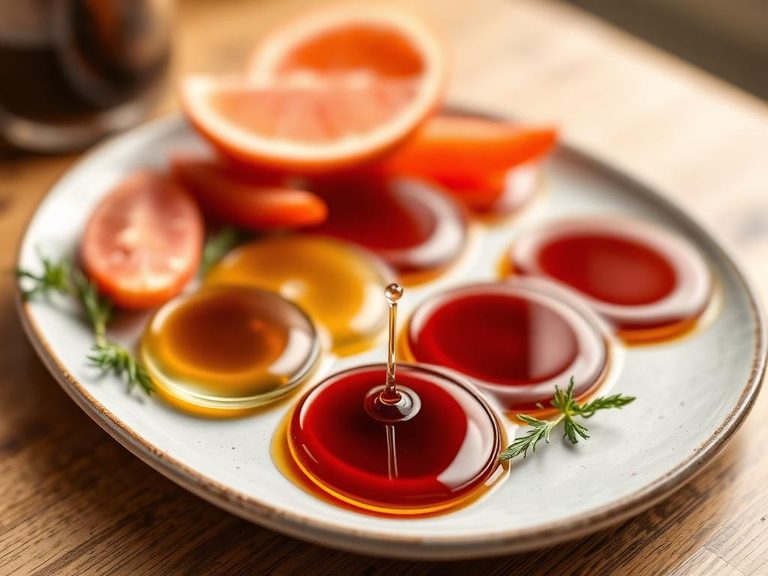
🍽️ Popular dishes
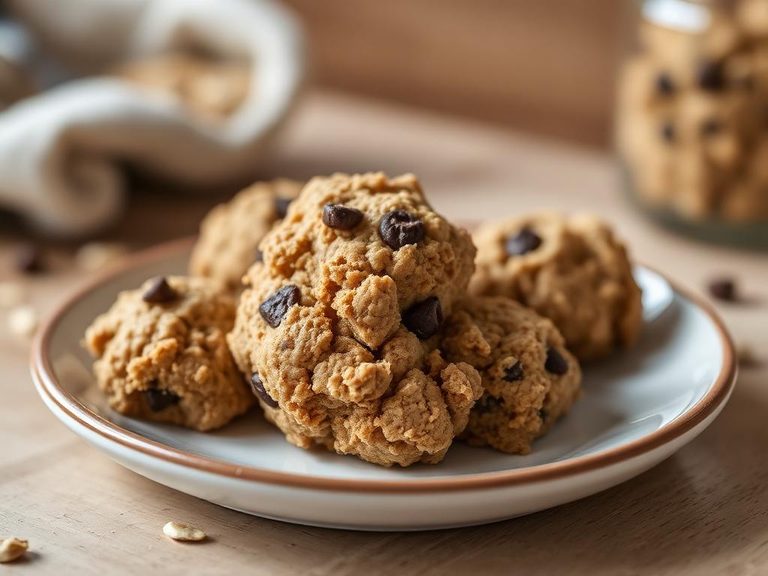
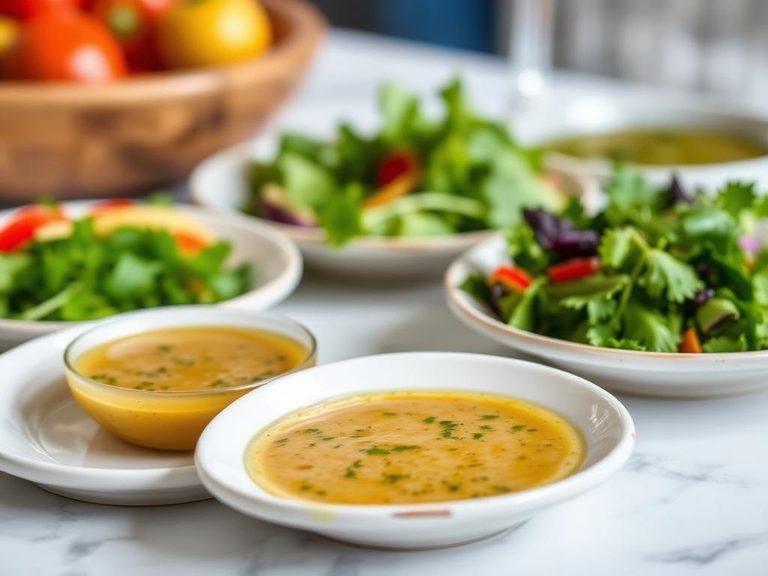
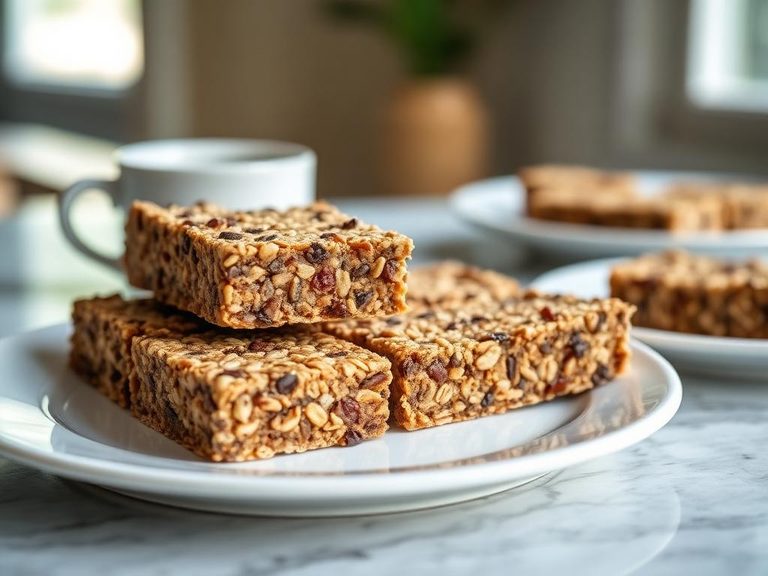
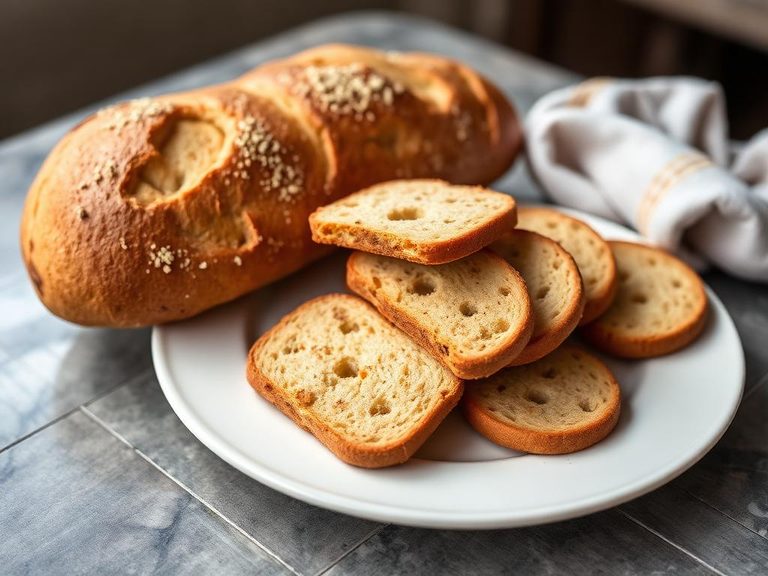
🌍 Where it's eaten
💡 Did you know?
Oat oil is a byproduct of the beta-glucan extraction process used to make oat-based functional foods, turning what was once waste into a valuable culinary product.
Full nutrition (USDA data · scales with serving)
| Water | 0.00 g |
| Energy | 884 kcal |
| Energy | 3699 kj |
| Protein | 0.00 g |
| Total lipid (fat) | 100 g |
| Ash | 0.00 g |
| Carbohydrate, by difference | 0.00 g |
| Fiber, total dietary | 0.00 g |
| Total Sugars | 0.00 g |
| Calcium, Ca | 0.00 mg |
| Iron, Fe | 0.00 mg |
| Magnesium, Mg | 0.00 mg |
| Phosphorus, P | 0.00 mg |
| Potassium, K | 0.00 mg |
| Sodium, Na | 0.00 mg |
| Zinc, Zn | 0.00 mg |
| Copper, Cu | 0.00 mg |
| Manganese, Mn | 0.00 mg |
| Selenium, Se | 0.00 ug |
| Vitamin C, total ascorbic acid | 0.00 mg |
| Thiamin | 0.00 mg |
| Riboflavin | 0.00 mg |
| Niacin | 0.00 mg |
| Pantothenic acid | 0.00 mg |
| Vitamin B-6 | 0.00 mg |
| Folate, total | 0.00 ug |
| Folic acid | 0.00 ug |
| Folate, food | 0.00 ug |
| Folate, DFE | 0.00 ug |
| Vitamin B-12 | 0.00 ug |
| Vitamin B-12, added | 0.00 ug |
| Vitamin A, RAE | 0.00 ug |
| Retinol | 0.00 ug |
| Carotene, beta | 0.00 ug |
| Carotene, alpha | 0.00 ug |
| Cryptoxanthin, beta | 0.00 ug |
| Vitamin A, IU | 0.00 iu |
| Lycopene | 0.00 ug |
| Lutein + zeaxanthin | 0.00 ug |
| Vitamin E (alpha-tocopherol) | 14.4 mg |
| Vitamin E, added | 0.00 mg |
| Vitamin K (phylloquinone) | 24.7 ug |
| Alcohol, ethyl | 0.00 g |
| Caffeine | 0.00 mg |
| Theobromine | 0.00 mg |
Fat & fatty acid profile (per 100g)
| Fatty acids, total saturated | 19.6 g |
| SFA 12:0 | 0.39 g |
| SFA 14:0 | 0.24 g |
| SFA 16:0 | 16.7 g |
| SFA 18:0 | 1.1 g |
| Fatty acids, total monounsaturated | 35.1 g |
| MUFA 16:1 | 0.20 g |
| MUFA 18:1 | 34.9 g |
| Fatty acids, total polyunsaturated | 40.9 g |
| PUFA 18:2 | 39.1 g |
| PUFA 18:3 | 1.8 g |
| Cholesterol | 0.00 mg |
Amino acid profile (per 100g)
Estimated from Oil, safflower, salad or cooking, high oleic (primary safflower oil of commerce) — USDA does not publish this profile for Oil.
| Tryptophan | 0.00 g |
| Threonine | 0.00 g |
| Isoleucine | 0.00 g |
| Leucine | 0.00 g |
| Lysine | 0.00 g |
| Methionine | 0.00 g |
| Cystine | 0.00 g |
| Phenylalanine | 0.00 g |
| Tyrosine | 0.00 g |
| Valine | 0.00 g |
| Arginine | 0.00 g |
| Histidine | 0.00 g |
| Alanine | 0.00 g |
| Aspartic acid | 0.00 g |
| Glutamic acid | 0.00 g |
| Glycine | 0.00 g |
| Proline | 0.00 g |
| Serine | 0.00 g |
FAQ
How does oat oil differ from olive oil?
Oat oil has a milder, nuttier flavor and a slightly different fatty acid profile, but both are high in monounsaturated fats. It's often chosen for its subtle taste and antioxidant content.
Can I use oat oil for frying?
It's better suited for low to medium-heat cooking, dressings, and finishing. For high-heat frying, an oil with a higher smoke point like avocado oil is preferable.
Is oat oil gluten-free?
Pure oat oil is naturally gluten-free, as the gluten protein is not present in the oil fraction. However, those with severe gluten sensitivity should look for certified gluten-free products to avoid cross-contamination.
Nutrient density (calculated · NRF9.3)
Nutrient Rich Foods index: beneficial nutrients (protein, fiber, vitamins, minerals) minus saturated fat, added sugar & sodium, per 100 kcal.
NRF9.3 index — Fulgoni, Keast & Drewnowski, 2009. Computed from USDA nutrients.
Weight-loss friendliness (composite index)
Energy density 8.84 kcal/g · 0% calories from protein · 0.0 g fiber · 0.0 g sugar per 100 g.
Composite of energy density (Rolls et al., 1999), protein & fiber satiety, minus sugar. A calculated heuristic — ranks satiety-per-calorie, not a clinical measure.
Dietary load (calculated from USDA values)
Potential renal acid load. Positive = acid-forming, negative = alkaline-forming.
Sodium:potassium per WHO potassium guidance. Computed from USDA nutrients.