

Nuts, chestnuts, european, dried, unpeeled
Whole food · Nut and Seed Products

Photo: Wikipedia
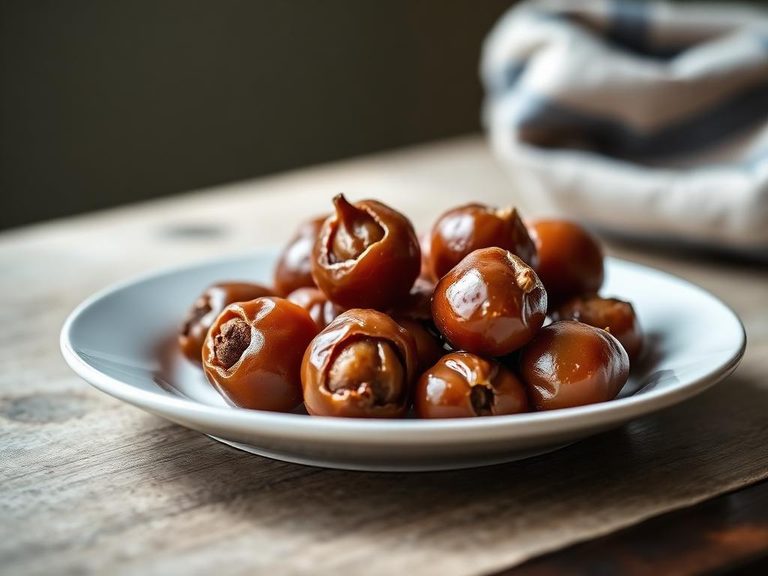
Dried European chestnuts, still in their rugged shells, are a chewy, starchy treat with a deep, sweet, and nutty flavor reminiscent of roasted potatoes and caramel. Nutritionally, they are a standout for their high carbohydrate content, providing substantial energy, and are exceptionally rich in dietary fiber, which is rare for a nut.
Calorie split: 7% protein · 82% carbs · 11% fat
↓ Full nutrition💚 Why it's loved
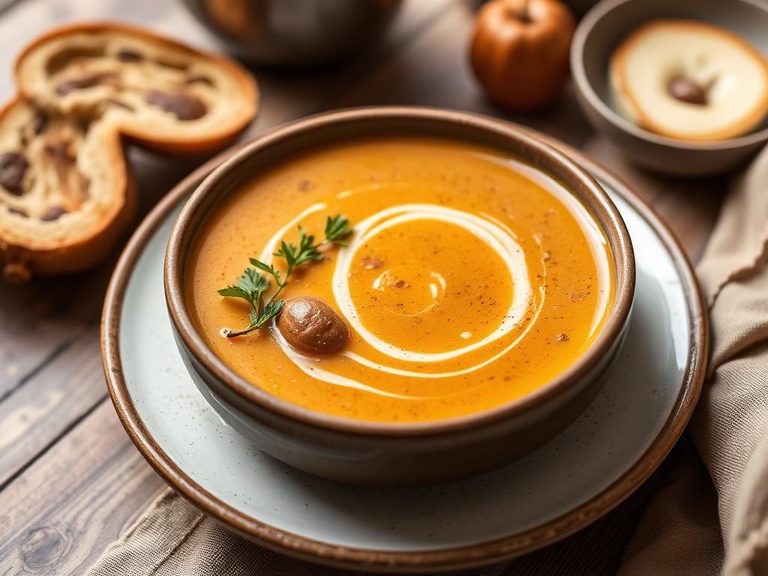
People cherish them for their uniquely sweet, earthy flavor and satisfyingly chewy texture, which transforms when rehydrated or cooked. They are a cornerstone of festive autumn and winter cuisine, evoking a sense of tradition and comfort.
⚠️ Watch-outs & how to enjoy it better
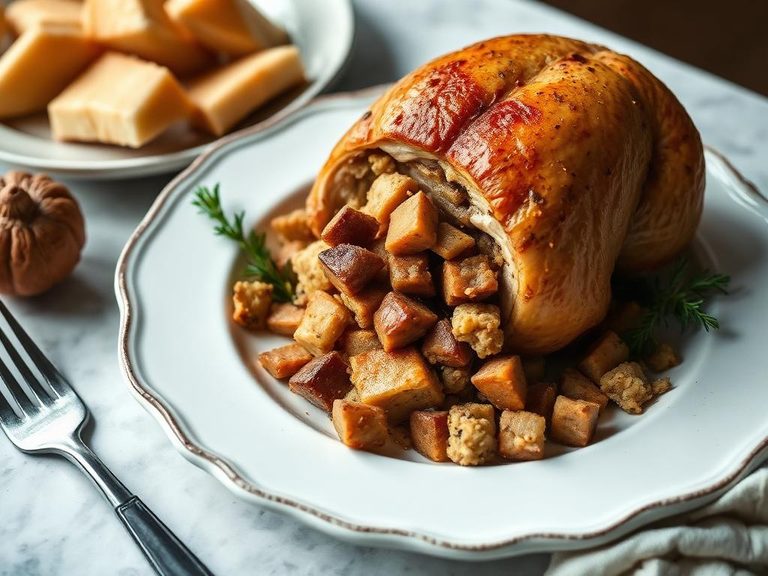
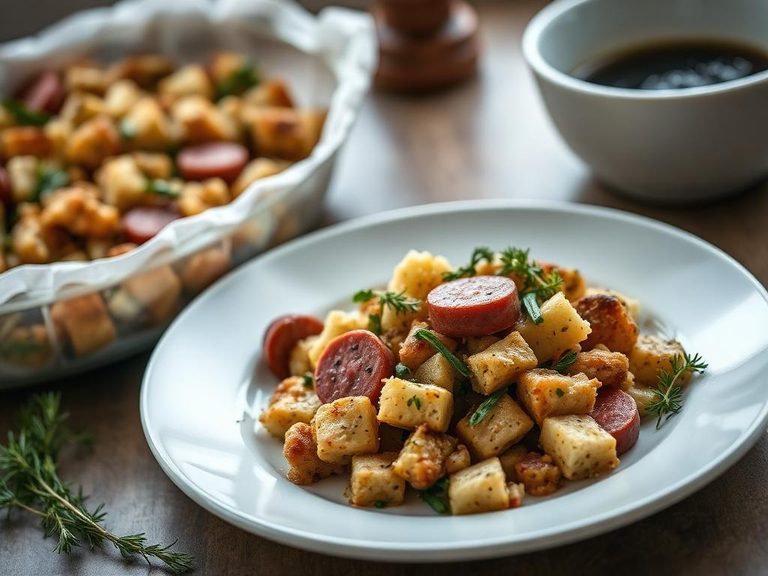
Their high carbohydrate content can cause rapid blood sugar spikes if consumed in large quantities alone. To counteract this, pair them with protein or healthy fats (like in a stuffing with sausage or a salad with cheese) and practice portion control. The hard shell can also be difficult to peel; scoring the shell before roasting or boiling makes it much easier.
Key benefits
- Excellent source of dietary fiber for digestive health.
- High in complex carbohydrates for sustained energy.
- Naturally low in fat compared to most other nuts.
- Good source of essential minerals like copper and manganese.
- Gluten-free and suitable for various dietary restrictions.
🍽️ Popular dishes

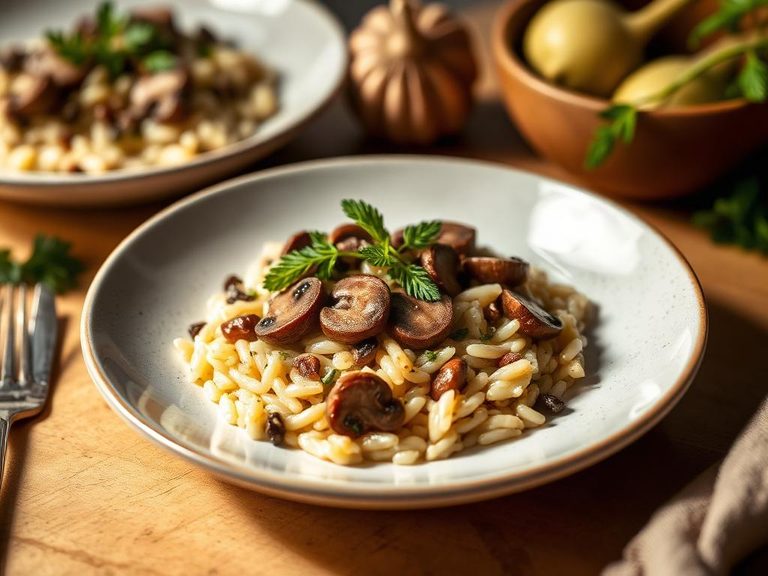
🌍 Where it's eaten
💡 Did you know?
Unlike most nuts, which are high in fat, the chestnut is primarily composed of starch, making it nutritionally more similar to a grain or potato.
Full nutrition (USDA data · scales with serving)
| Water | 9.4 g |
| Energy | 374 kcal |
| Energy | 1565 kj |
| Protein | 6.4 g |
| Total lipid (fat) | 4.5 g |
| Ash | 2.4 g |
| Carbohydrate, by difference | 77.3 g |
| Fiber, total dietary | 11.7 g |
| Calcium, Ca | 67.0 mg |
| Iron, Fe | 2.4 mg |
| Magnesium, Mg | 74.0 mg |
| Phosphorus, P | 175 mg |
| Potassium, K | 986 mg |
| Sodium, Na | 37.0 mg |
| Zinc, Zn | 0.35 mg |
| Copper, Cu | 0.65 mg |
| Manganese, Mn | 1.3 mg |
| Selenium, Se | 1.8 ug |
| Vitamin C, total ascorbic acid | 15.0 mg |
| Thiamin | 0.29 mg |
| Riboflavin | 0.36 mg |
| Niacin | 0.85 mg |
| Pantothenic acid | 0.90 mg |
| Vitamin B-6 | 0.66 mg |
| Folate, total | 109 ug |
| Folic acid | 0.00 ug |
| Folate, food | 109 ug |
| Folate, DFE | 109 ug |
| Vitamin B-12 | 0.00 ug |
| Vitamin A, RAE | 0.00 ug |
| Retinol | 0.00 ug |
| Vitamin A, IU | 0.00 iu |
| Vitamin D (D2 + D3), International Units | 0.00 iu |
| Vitamin D (D2 + D3) | 0.00 ug |
| Alcohol, ethyl | 0.00 g |
Fat & fatty acid profile (per 100g)
| Fatty acids, total saturated | 0.84 g |
| SFA 4:0 | 0.00 g |
| SFA 6:0 | 0.00 g |
| SFA 8:0 | 0.00 g |
| SFA 10:0 | 0.00 g |
| SFA 12:0 | 0.00 g |
| SFA 14:0 | 0.02 g |
| SFA 16:0 | 0.76 g |
| SFA 18:0 | 0.04 g |
| Fatty acids, total monounsaturated | 1.5 g |
| MUFA 16:1 | 0.04 g |
| MUFA 18:1 | 1.5 g |
| MUFA 20:1 | 0.02 g |
| MUFA 22:1 | 0.00 g |
| Fatty acids, total polyunsaturated | 1.8 g |
| PUFA 18:2 | 1.6 g |
| PUFA 18:3 | 0.19 g |
| PUFA 18:4 | 0.00 g |
| PUFA 20:4 | 0.00 g |
| PUFA 20:5 n-3 (EPA) | 0.00 g |
| PUFA 22:5 n-3 (DPA) | 0.00 g |
| PUFA 22:6 n-3 (DHA) | 0.00 g |
| Cholesterol | 0.00 mg |
Amino acid profile (per 100g)
| Tryptophan | 0.07 g |
| Threonine | 0.23 g |
| Isoleucine | 0.25 g |
| Leucine | 0.38 g |
| Lysine | 0.38 g |
| Methionine | 0.15 g |
| Cystine | 0.20 g |
| Phenylalanine | 0.27 g |
| Tyrosine | 0.18 g |
| Valine | 0.36 g |
| Arginine | 0.46 g |
| Histidine | 0.18 g |
| Alanine | 0.43 g |
| Aspartic acid | 1.1 g |
| Glutamic acid | 0.82 g |
| Glycine | 0.33 g |
| Proline | 0.34 g |
| Serine | 0.32 g |
FAQ
How do I rehydrate dried chestnuts?
Soak them in plenty of cold water for at least 12 hours (or overnight). Then, simmer them in fresh water for 30-60 minutes until tender before adding to recipes.
Can I eat them straight from the package?
While some are sold pre-cooked and ready to eat, most dried chestnuts require rehydration and cooking to achieve a palatable, tender texture. Check the package instructions.
What's the difference between chestnuts and other nuts?
Chestnuts are botanically and nutritionally distinct. They are low in fat and high in complex carbs and fiber, whereas most true nuts (like almonds or walnuts) are high in fat and lower in carbs.
Nutrient density (calculated · NRF9.3)
Nutrient Rich Foods index: beneficial nutrients (protein, fiber, vitamins, minerals) minus saturated fat, added sugar & sodium, per 100 kcal.
NRF9.3 index — Fulgoni, Keast & Drewnowski, 2009. Computed from USDA nutrients.
Weight-loss friendliness (composite index)
Energy density 3.74 kcal/g · 7% calories from protein · 11.7 g fiber · 0.0 g sugar per 100 g.
Composite of energy density (Rolls et al., 1999), protein & fiber satiety, minus sugar. A calculated heuristic — ranks satiety-per-calorie, not a clinical measure.
Dietary load (calculated from USDA values)
Potential renal acid load. Positive = acid-forming, negative = alkaline-forming.
Sodium-to-potassium ratio: 0.04 (lower is better — aim for ≤ 1)
Sodium:potassium per WHO potassium guidance. Computed from USDA nutrients.