

Mollusks, cuttlefish, mixed species, cooked, moist heat
Whole food · Finfish and Shellfish Products

Photo: Wikipedia
Cuttlefish, when gently cooked with moist heat, transforms into a tender, mildly sweet delicacy with a satisfying, slightly firm bite. Its pearly white flesh is a lean protein powerhouse, offering over 32 grams per 100 grams with minimal fat and no carbohydrates. This preparation highlights its clean, oceanic flavor, making it a versatile base for a variety of culinary styles.
Calorie split: 87% protein · 4% carbs · 8% fat
↓ Full nutrition💚 Why it's loved
People adore cuttlefish for its unique texture—more substantial than squid but equally tender when cooked properly—and its ability to absorb flavors from sauces and seasonings. It's a celebrated ingredient in many coastal cuisines, prized for its versatility in everything from quick stir-fries to slow-braised stews.
⚠️ Watch-outs & how to enjoy it better
As a mollusk, it is a common allergen and should be avoided by those with shellfish sensitivities. Its natural sodium content can be high, so individuals monitoring salt intake should be mindful of portion size and added seasonings. To counteract this, pair it with potassium-rich vegetables like leafy greens or tomatoes, and use herbs, citrus, and spices for flavor instead of salt.
Key benefits
- Exceptionally high in lean protein for muscle maintenance.
- Very low in fat and contains no carbohydrates or sugar.
- Rich in essential minerals like selenium and phosphorus.
- Provides a good source of vitamin B12 for nerve health.
- Contains taurine, an amino acid important for heart and brain function.
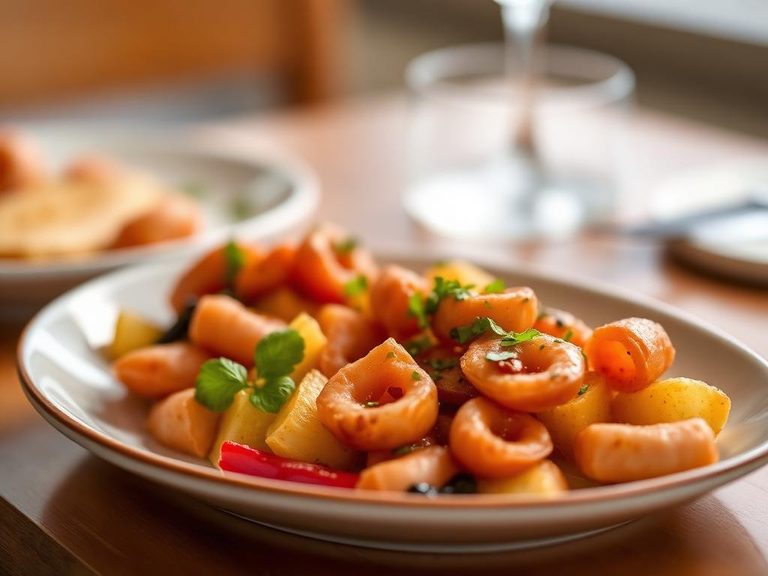
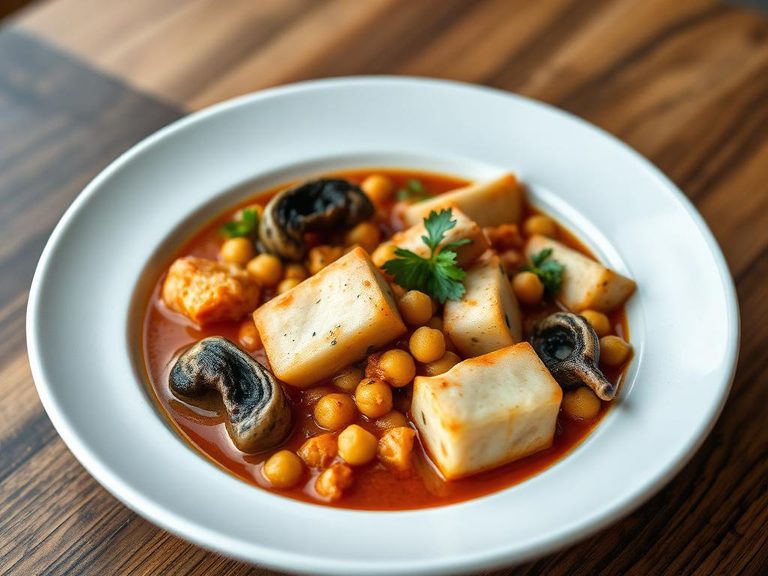
🍽️ Popular dishes
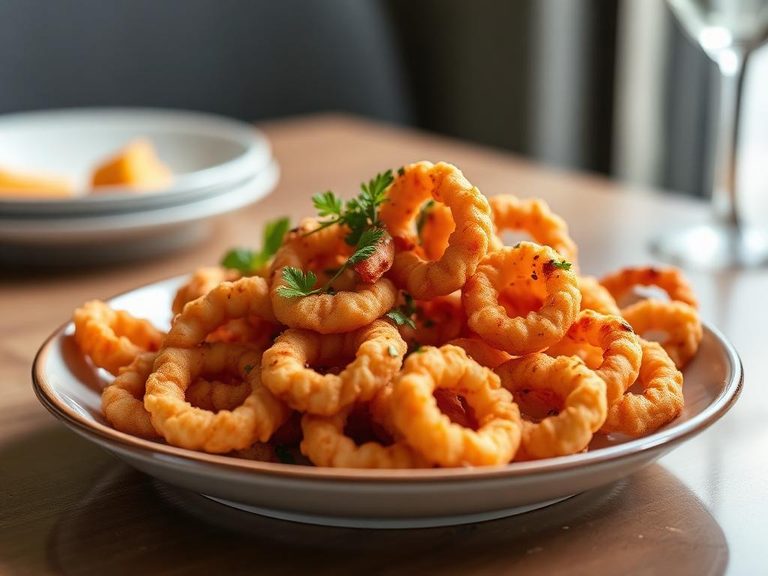
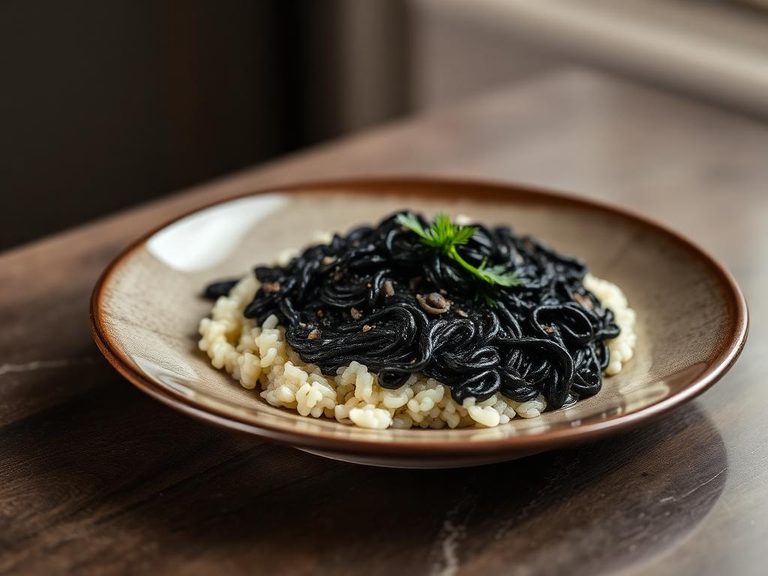
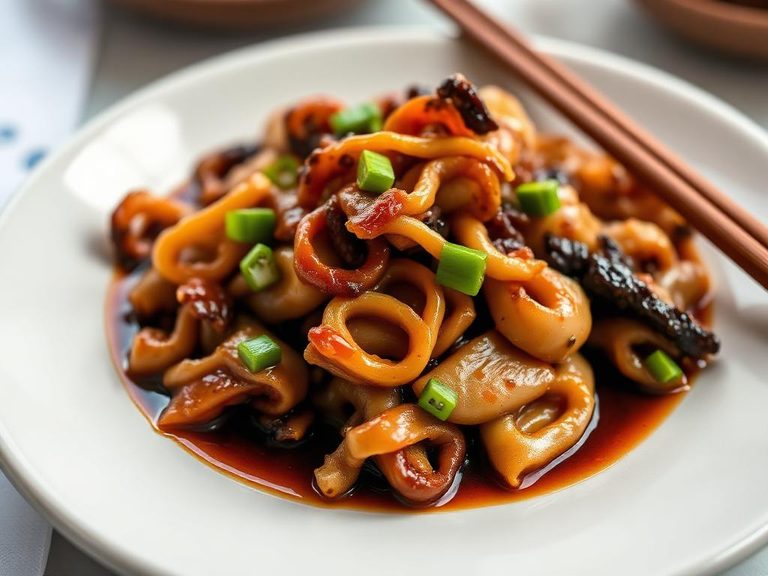
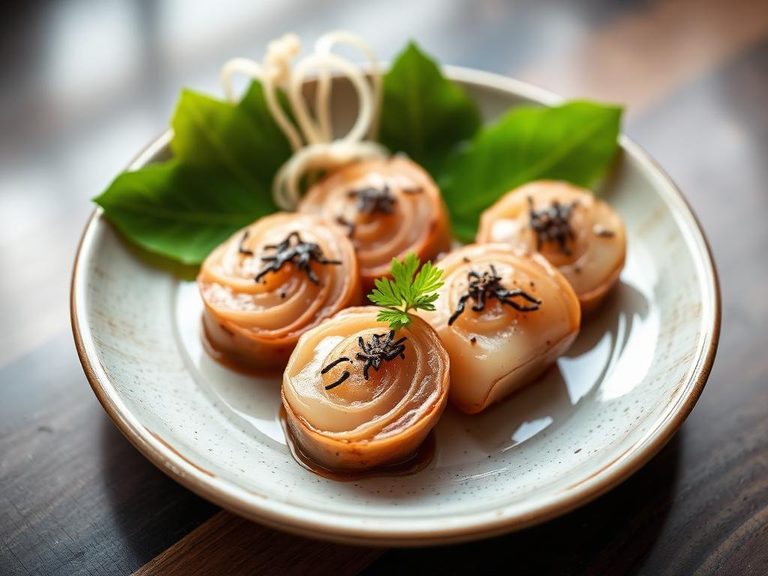
🌍 Where it's eaten
💡 Did you know?
Cuttlefish are masters of camouflage, using specialized skin cells called chromatophores to change color, pattern, and even texture in milliseconds to communicate and hide from predators.
Full nutrition (USDA data · scales with serving)
| Water | 61.1 g |
| Energy | 158 kcal |
| Energy | 661 kj |
| Protein | 32.5 g |
| Total lipid (fat) | 1.4 g |
| Ash | 3.4 g |
| Carbohydrate, by difference | 1.6 g |
| Fiber, total dietary | 0.00 g |
| Calcium, Ca | 180 mg |
| Iron, Fe | 10.8 mg |
| Magnesium, Mg | 60.0 mg |
| Phosphorus, P | 580 mg |
| Potassium, K | 637 mg |
| Sodium, Na | 744 mg |
| Zinc, Zn | 3.5 mg |
| Copper, Cu | 1.00 mg |
| Manganese, Mn | 0.21 mg |
| Selenium, Se | 89.6 ug |
| Vitamin C, total ascorbic acid | 8.5 mg |
| Thiamin | 0.02 mg |
| Riboflavin | 1.7 mg |
| Niacin | 2.2 mg |
| Pantothenic acid | 0.90 mg |
| Vitamin B-6 | 0.27 mg |
| Folate, total | 24.0 ug |
| Folic acid | 0.00 ug |
| Folate, food | 24.0 ug |
| Folate, DFE | 24.0 ug |
| Vitamin B-12 | 5.4 ug |
| Vitamin A, RAE | 203 ug |
| Retinol | 203 ug |
| Vitamin A, IU | 675 iu |
Fat & fatty acid profile (per 100g)
| Fatty acids, total saturated | 0.24 g |
| SFA 14:0 | 0.02 g |
| SFA 16:0 | 0.12 g |
| SFA 18:0 | 0.09 g |
| Fatty acids, total monounsaturated | 0.16 g |
| MUFA 16:1 | 0.02 g |
| MUFA 18:1 | 0.06 g |
| MUFA 20:1 | 0.07 g |
| MUFA 22:1 | 0.00 g |
| Fatty acids, total polyunsaturated | 0.27 g |
| PUFA 18:2 | 0.00 g |
| PUFA 18:3 | 0.00 g |
| PUFA 18:4 | 0.00 g |
| PUFA 20:4 | 0.03 g |
| PUFA 20:5 n-3 (EPA) | 0.08 g |
| PUFA 22:5 n-3 (DPA) | 0.01 g |
| PUFA 22:6 n-3 (DHA) | 0.13 g |
| Cholesterol | 224 mg |
Amino acid profile (per 100g)
| Tryptophan | 0.36 g |
| Threonine | 1.4 g |
| Isoleucine | 1.4 g |
| Leucine | 2.3 g |
| Lysine | 2.4 g |
| Methionine | 0.73 g |
| Cystine | 0.43 g |
| Phenylalanine | 1.2 g |
| Tyrosine | 1.0 g |
| Valine | 1.4 g |
| Arginine | 2.4 g |
| Histidine | 0.62 g |
| Alanine | 2.0 g |
| Aspartic acid | 3.1 g |
| Glutamic acid | 4.4 g |
| Glycine | 2.0 g |
| Proline | 1.3 g |
| Serine | 1.5 g |
FAQ
How is cuttlefish different from squid?
Cuttlefish are generally larger and have a thicker, more tender mantle (body) than most squid varieties. They also possess a unique internal cuttlebone, a porous, chalky structure used for buoyancy, which is not found in squid.
What does 'cooked, moist heat' mean for cuttlefish?
This refers to cooking methods that use liquid or steam, such as poaching, braising, steaming, or simmering in a sauce. These gentle methods help prevent the flesh from becoming tough and rubbery.
Is the cuttlebone edible?
The internal cuttlebone is not eaten by humans. It is, however, a popular calcium supplement and beak-conditioning tool for pet birds.
Nutrient density (calculated · NRF9.3)
Nutrient Rich Foods index: beneficial nutrients (protein, fiber, vitamins, minerals) minus saturated fat, added sugar & sodium, per 100 kcal.
NRF9.3 index — Fulgoni, Keast & Drewnowski, 2009. Computed from USDA nutrients.
Weight-loss friendliness (composite index)
Energy density 1.58 kcal/g · 82% calories from protein · 0.0 g fiber · 0.0 g sugar per 100 g.
Composite of energy density (Rolls et al., 1999), protein & fiber satiety, minus sugar. A calculated heuristic — ranks satiety-per-calorie, not a clinical measure.
Dietary load (calculated from USDA values)
Potential renal acid load. Positive = acid-forming, negative = alkaline-forming.
Sodium-to-potassium ratio: 1.17 (lower is better — aim for ≤ 1)
Sodium:potassium per WHO potassium guidance. Computed from USDA nutrients.