

Frybread, made with lard (Navajo)
Whole food · American Indian/Alaska Native Foods

Photo: Wikipedia
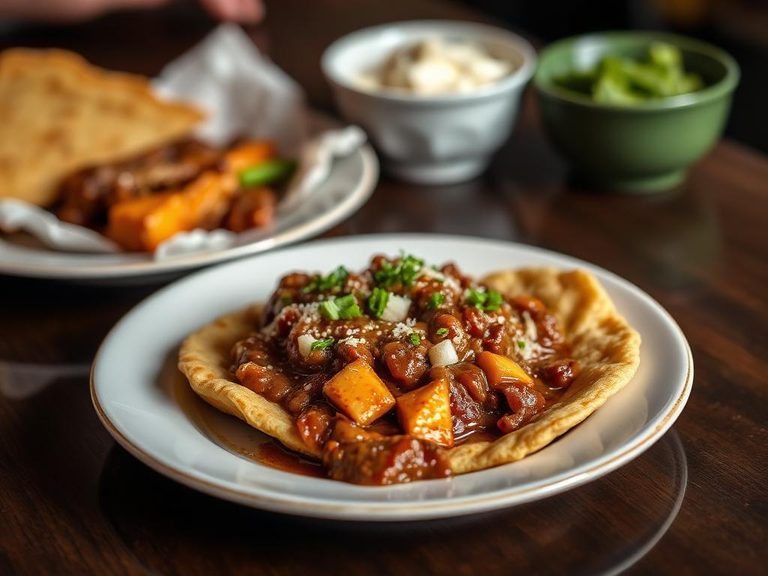
Navajo frybread is a golden, puffy disc of dough, deep-fried in lard until it develops a crisp, bubbly exterior and a soft, chewy interior. Its rich, savory flavor is a direct result of the lard, which imparts a distinct, traditional taste and a satisfyingly tender crumb. Nutritionally, it is a dense source of energy, primarily from refined carbohydrates and fat.
Calorie split: 8% protein · 59% carbs · 33% fat
↓ Full nutrition💚 Why it's loved
People love it for its comforting, hearty flavor and the satisfying contrast between its crispy shell and soft inside. It is deeply cherished as a cultural symbol and a versatile canvas for toppings like honey, powdered sugar, or savory stews.
⚠️ Watch-outs & how to enjoy it better
The high glycemic load from refined flour can cause rapid blood-sugar spikes, and the lard content is high in saturated fat. To mitigate this, pair it with protein-rich toppings like beans or meat, or use it as an occasional treat rather than a daily staple.
Key benefits
- Provides quick, dense energy from carbohydrates and fat
- A culturally significant staple food in Navajo cuisine
- Versatile base for both sweet and savory dishes
- Simple, inexpensive ingredients make it accessible
🍽️ Popular dishes
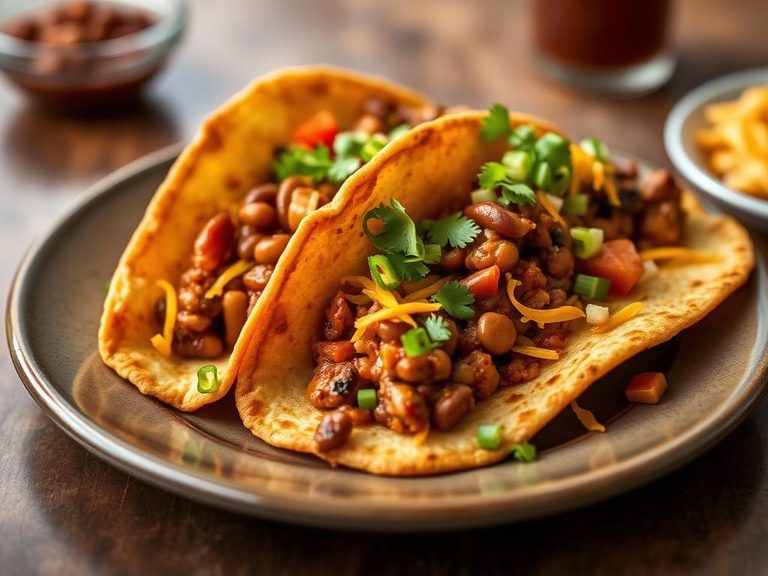
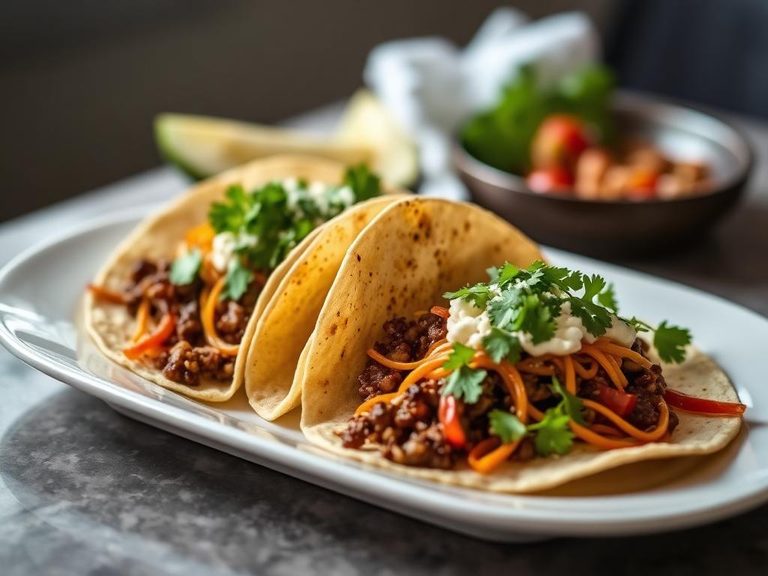
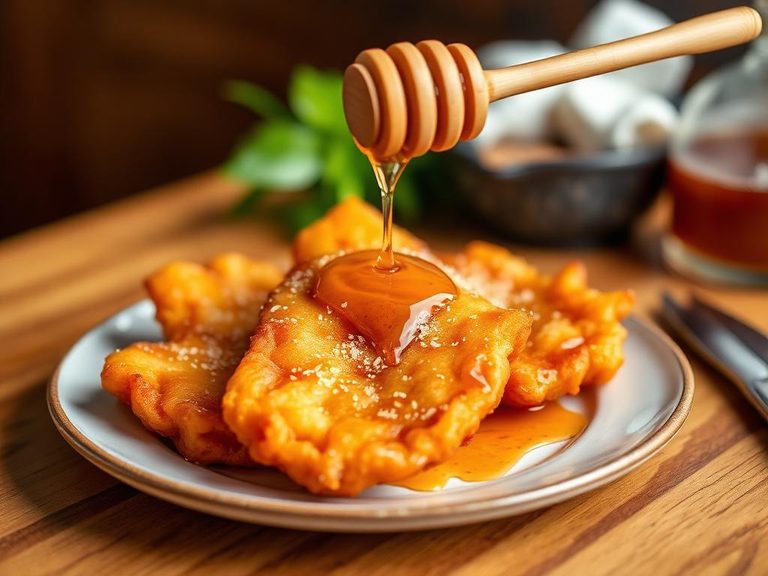
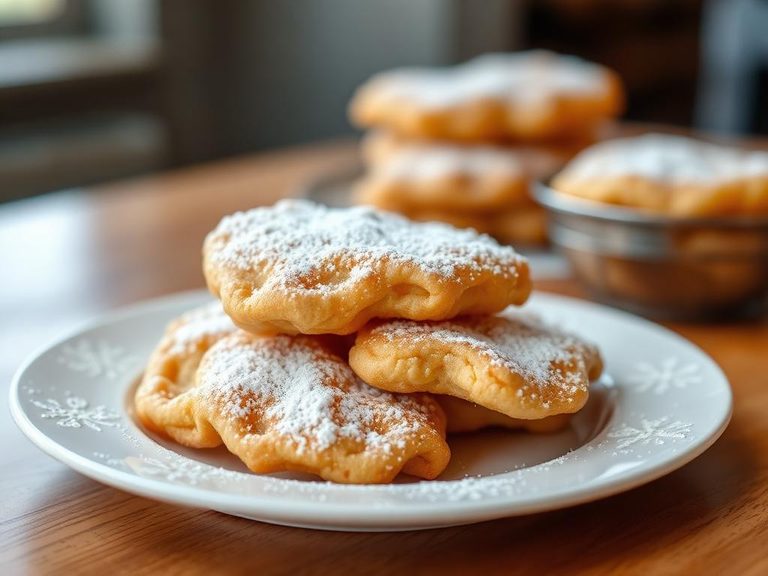

🌍 Where it's eaten
💡 Did you know?
Frybread was born from the rations of white flour, lard, and sugar given to the Navajo people during the Long Walk of 1864, transforming ingredients of hardship into a symbol of resilience and identity.
Full nutrition (USDA data · scales with serving)
| Water | 31.6 g |
| Energy | 330 kcal |
| Energy | 1380 kj |
| Protein | 6.7 g |
| Total lipid (fat) | 12.2 g |
| Ash | 1.3 g |
| Carbohydrate, by difference | 48.3 g |
| Total Sugars | 2.0 g |
| Sucrose | 0.17 g |
| Glucose | 0.10 g |
| Fructose | 0.00 g |
| Lactose | 0.00 g |
| Maltose | 1.8 g |
| Galactose | 0.00 g |
| Starch | 42.9 g |
| Calcium, Ca | 57.0 mg |
| Iron, Fe | 4.0 mg |
| Magnesium, Mg | 18.0 mg |
| Phosphorus, P | 123 mg |
| Potassium, K | 77.0 mg |
| Sodium, Na | 329 mg |
| Zinc, Zn | 0.35 mg |
| Copper, Cu | 0.09 mg |
| Manganese, Mn | 0.30 mg |
| Selenium, Se | 18.6 ug |
| Thiamin | 0.43 mg |
| Riboflavin | 0.22 mg |
| Niacin | 4.6 mg |
| Pantothenic acid | 0.16 mg |
| Vitamin B-6 | 0.04 mg |
| Folate, total | 122 ug |
| Folic acid | 105 ug |
| Folate, food | 17.0 ug |
| Folate, DFE | 196 ug |
| Vitamin B-12 | 0.00 ug |
| Vitamin E (alpha-tocopherol) | 0.00 mg |
| Tocopherol, beta | 0.00 mg |
| Tocopherol, gamma | 0.54 mg |
| Tocopherol, delta | 0.00 mg |
| Tocotrienol, alpha | 0.00 mg |
| Tocotrienol, beta | 0.00 mg |
| Tocotrienol, gamma | 0.00 mg |
| Tocotrienol, delta | 0.00 mg |
| Vitamin K (phylloquinone) | 0.80 ug |
| Vitamin K (Dihydrophylloquinone) | 0.80 ug |
Fat & fatty acid profile (per 100g)
| Fatty acids, total saturated | 4.6 g |
| SFA 8:0 | 0.00 g |
| SFA 10:0 | 0.00 g |
| SFA 12:0 | 0.00 g |
| SFA 14:0 | 0.24 g |
| SFA 15:0 | 0.03 g |
| SFA 16:0 | 2.5 g |
| SFA 17:0 | 0.10 g |
| SFA 18:0 | 1.7 g |
| SFA 20:0 | 0.02 g |
| SFA 22:0 | 0.00 g |
| Fatty acids, total monounsaturated | 4.4 g |
| MUFA 14:1 | 0.03 g |
| MUFA 15:1 | 0.00 g |
| MUFA 16:1 | 0.23 g |
| MUFA 17:1 | 0.06 g |
| MUFA 18:1 | 4.0 g |
| MUFA 20:1 | 0.06 g |
| Fatty acids, total polyunsaturated | 1.1 g |
| PUFA 18:2 | 0.98 g |
| PUFA 18:3 | 0.00 g |
| PUFA 18:3 n-3 c,c,c (ALA) | 0.05 g |
| PUFA 18:3 n-6 c,c,c | 0.00 g |
| PUFA 20:2 n-6 c,c | 0.02 g |
| PUFA 20:3 | 0.00 g |
| PUFA 20:4 | 0.00 g |
| Cholesterol | 7.0 mg |
FAQ
What is the difference between frybread and a doughnut?
Frybread is typically a savory, unleavened or lightly leavened flatbread fried in lard, while doughnuts are sweet, yeast or cake-based pastries often fried in vegetable oil and frequently glazed or sugared.
Can frybread be baked instead of fried?
While baking is a healthier alternative, it will not replicate the signature crispy, bubbly texture and rich flavor achieved by frying in lard; the result is more like a soft, flat roll.
What is the best way to store leftover frybread?
Store it in an airtight container at room temperature for up to 2 days. Reheat by briefly frying in a skillet or toasting to restore crispness, as microwaving will make it tough.
Nutrient density (calculated · NRF9.3)
Nutrient Rich Foods index: beneficial nutrients (protein, fiber, vitamins, minerals) minus saturated fat, added sugar & sodium, per 100 kcal.
NRF9.3 index — Fulgoni, Keast & Drewnowski, 2009. Computed from USDA nutrients.
Weight-loss friendliness (composite index)
Energy density 3.30 kcal/g · 8% calories from protein · 0.0 g fiber · 2.0 g sugar per 100 g.
Composite of energy density (Rolls et al., 1999), protein & fiber satiety, minus sugar. A calculated heuristic — ranks satiety-per-calorie, not a clinical measure.
Dietary load (calculated from USDA values)
Potential renal acid load. Positive = acid-forming, negative = alkaline-forming.
Sodium-to-potassium ratio: 4.27 (lower is better — aim for ≤ 1)
Sodium:potassium per WHO potassium guidance. Computed from USDA nutrients.