

Fish, salmon, king, chinook, liver (Alaska Native)
Whole food · American Indian/Alaska Native Foods

Photo: Wikipedia
Chinook salmon liver is a rich, buttery organ meat with a delicate, creamy texture and a mild, oceanic flavor that is less fishy than the flesh. It is a nutritional powerhouse, packing a high concentration of protein and healthy fats into a small serving. This traditional Alaska Native food is prized for its dense, melt-in-your-mouth quality.
Calorie split: 43% protein · 11% carbs · 46% fat
↓ Full nutrition💚 Why it's loved
People love it for its luxurious, almost foie gras-like richness and deep umami flavor that is uniquely tied to the Alaskan wilderness. It is cherished in Indigenous cultures as a vital source of sustenance and a connection to ancestral foodways.
⚠️ Watch-outs & how to enjoy it better
The strong, rich flavor and soft texture can be unappealing to those unfamiliar with organ meats or fishy tastes. As a fatty organ, it is high in cholesterol, so individuals with specific health conditions should consume it in moderation. To balance its richness, pair it with acidic components like lemon or pickled vegetables, or serve it in small portions as part of a larger meal.
Key benefits
- Excellent source of high-quality protein for muscle maintenance
- Rich in omega-3 fatty acids for heart and brain health
- Contains vitamin D and vitamin B12, essential for energy and immunity
- Provides iron and selenium, important for blood and thyroid function
- Traditional, nutrient-dense food for cold climates
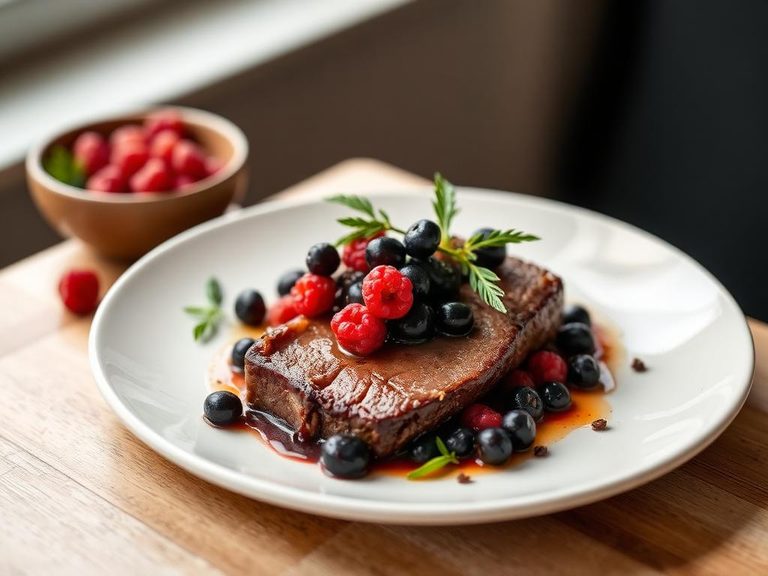
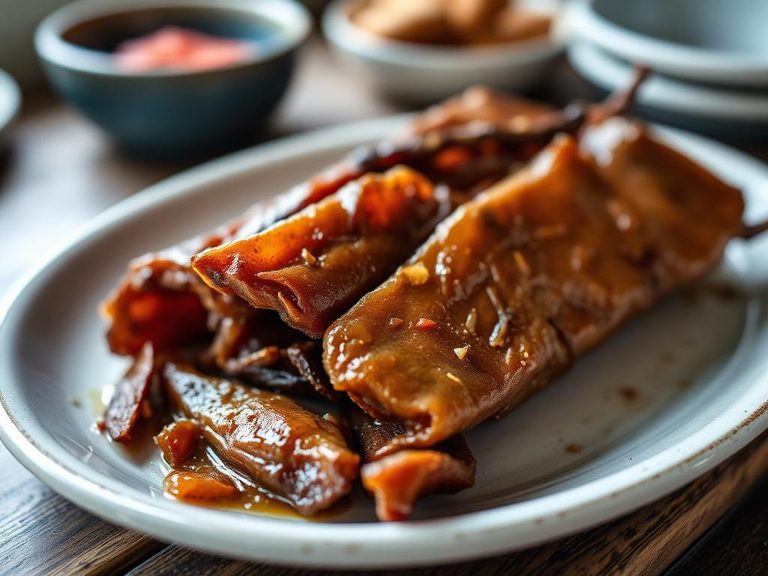
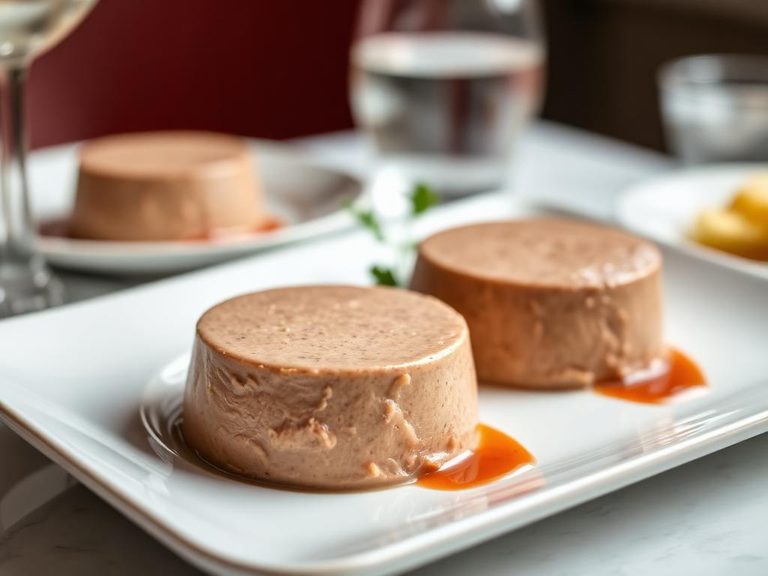
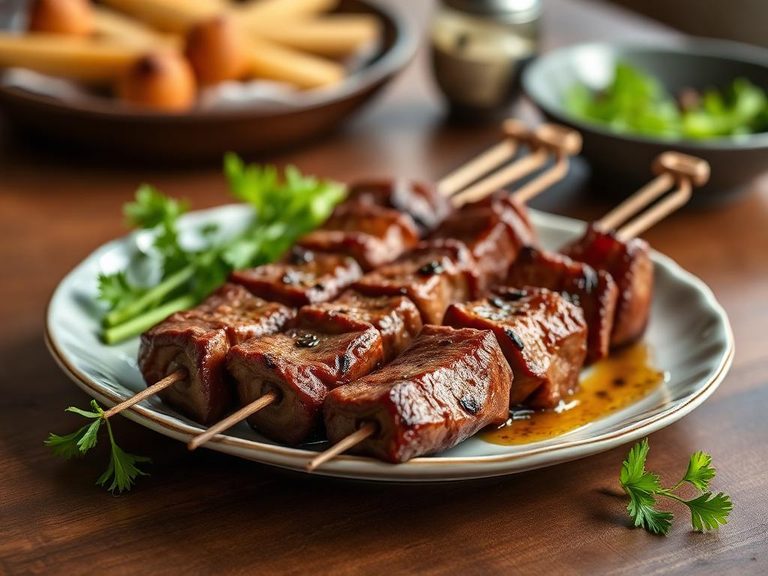
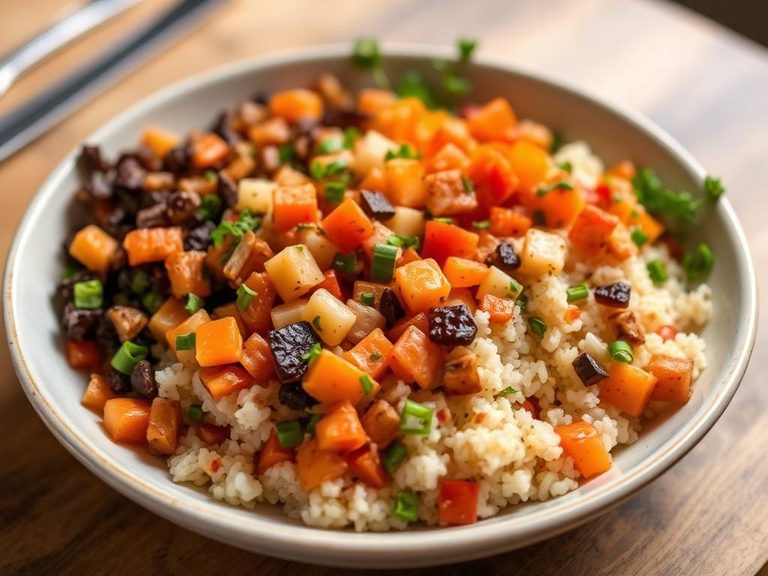
🍽️ Popular dishes
🌍 Where it's eaten
💡 Did you know?
Chinook salmon are the largest of the Pacific salmon species, and their livers can be surprisingly large, sometimes weighing over a pound, making them a significant food source.
Full nutrition (USDA data · scales with serving)
| Water | 69.8 g |
| Energy | 156 kcal |
| Energy | 651 kj |
| Protein | 16.6 g |
| Total lipid (fat) | 8.0 g |
| Ash | 1.3 g |
| Carbohydrate, by difference | 4.3 g |
| Calcium, Ca | 28.0 mg |
| Iron, Fe | 2.6 mg |
| Phosphorus, P | 412 mg |
| Thiamin | 0.10 mg |
| Riboflavin | 0.70 mg |
| Niacin | 5.0 mg |
| Vitamin A, IU | 3140 iu |
Fat & fatty acid profile (per 100g)
Estimated from Fish, halibut, raw, with skin (Alaska Native) — USDA does not publish this profile for Fish.
| Fatty acids, total saturated | 0.73 g |
| SFA 8:0 | 0.00 g |
| SFA 10:0 | 0.00 g |
| SFA 12:0 | 0.00 g |
| SFA 14:0 | 0.09 g |
| SFA 15:0 | 0.01 g |
| SFA 16:0 | 0.38 g |
| SFA 17:0 | 0.00 g |
| SFA 18:0 | 0.09 g |
| SFA 20:0 | 0.01 g |
| SFA 22:0 | 0.00 g |
| SFA 24:0 | 0.00 g |
| Fatty acids, total monounsaturated | 1.2 g |
| MUFA 14:1 | 0.00 g |
| MUFA 15:1 | 0.00 g |
| MUFA 16:1 | 0.23 g |
| MUFA 17:1 | 0.00 g |
| MUFA 18:1 | 0.59 g |
| MUFA 20:1 | 0.11 g |
| MUFA 22:1 | 0.00 g |
| MUFA 22:1 c | 0.00 g |
| MUFA 24:1 c | 0.01 g |
| Fatty acids, total polyunsaturated | 0.91 g |
| PUFA 18:2 | 0.02 g |
| PUFA 18:3 | 0.01 g |
| PUFA 18:3 n-3 c,c,c (ALA) | 0.01 g |
| PUFA 18:3 n-6 c,c,c | 0.00 g |
| PUFA 18:4 | 0.00 g |
| PUFA 20:2 n-6 c,c | 0.01 g |
| PUFA 20:3 | 0.00 g |
| PUFA 20:4 | 0.03 g |
| PUFA 20:5 n-3 (EPA) | 0.22 g |
| PUFA 21:5 | 0.00 g |
| PUFA 22:4 | 0.00 g |
| PUFA 22:5 n-3 (DPA) | 0.06 g |
| PUFA 22:6 n-3 (DHA) | 0.39 g |
| Cholesterol | 72.0 mg |
Amino acid profile (per 100g)
Estimated from Fish, halibut, raw, with skin (Alaska Native) — USDA does not publish this profile for Fish.
| Tryptophan | 0.31 g |
| Threonine | 0.95 g |
| Isoleucine | 0.94 g |
| Leucine | 1.6 g |
| Lysine | 1.8 g |
| Methionine | 0.80 g |
| Cystine | 0.35 g |
| Phenylalanine | 0.82 g |
| Tyrosine | 0.70 g |
| Valine | 1.0 g |
| Arginine | 1.2 g |
| Histidine | 0.50 g |
| Alanine | 1.2 g |
| Aspartic acid | 2.8 g |
| Glutamic acid | 3.2 g |
| Glycine | 0.93 g |
| Proline | 0.73 g |
| Serine | 0.91 g |
| Hydroxyproline | 0.18 g |
FAQ
What does Chinook salmon liver taste like?
It has a rich, buttery, and creamy flavor with a mild oceanic taste, often compared to a milder, less pungent version of foie gras.
How is it typically prepared in Alaska Native cuisine?
It is often dried, smoked, or pan-seared, sometimes served with traditional accompaniments like berries or seal oil.
Is it safe to eat raw?
While some traditional preparations may involve raw consumption, it is generally recommended to cook it thoroughly to avoid any potential parasites or bacteria.
Weight-loss friendliness (composite index)
Energy density 1.56 kcal/g · 43% calories from protein · 0.0 g fiber · 0.0 g sugar per 100 g.
Composite of energy density (Rolls et al., 1999), protein & fiber satiety, minus sugar. A calculated heuristic — ranks satiety-per-calorie, not a clinical measure.