Chopped and mixed into rice or grain bowls
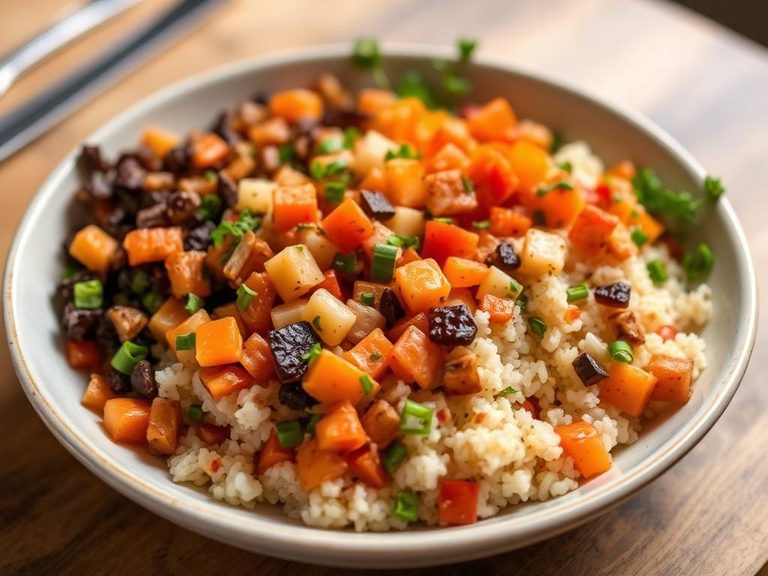
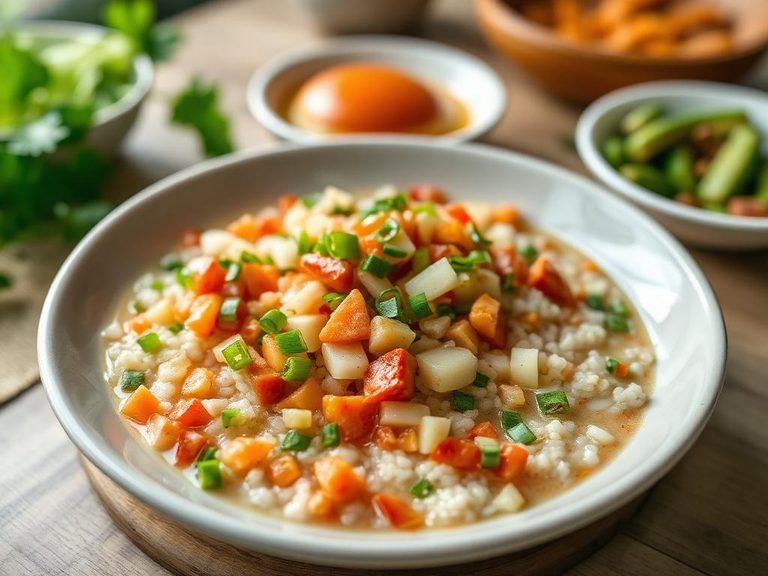
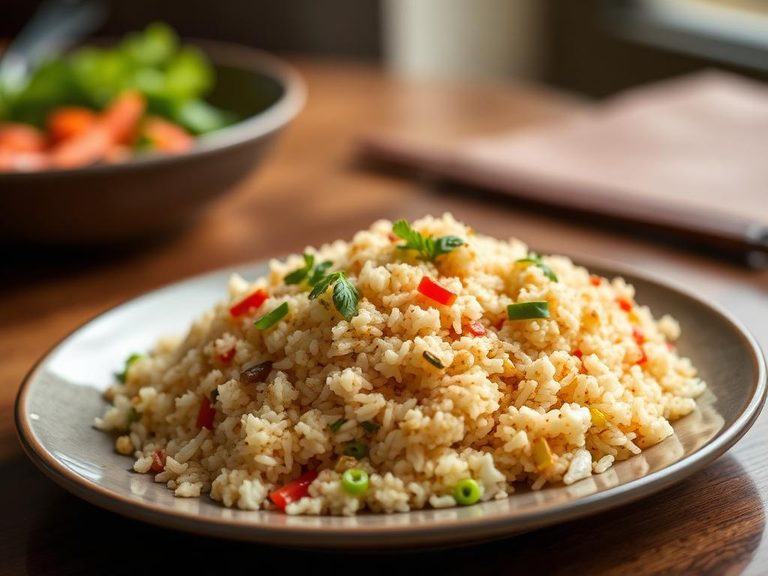
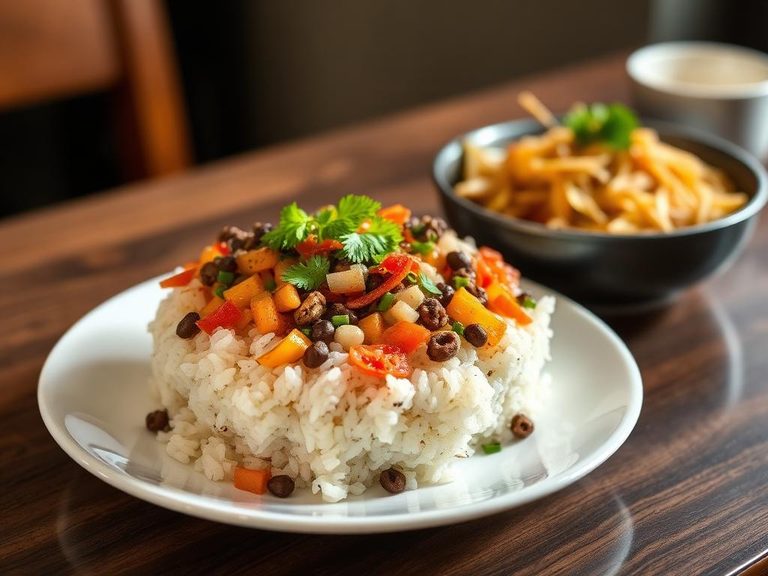
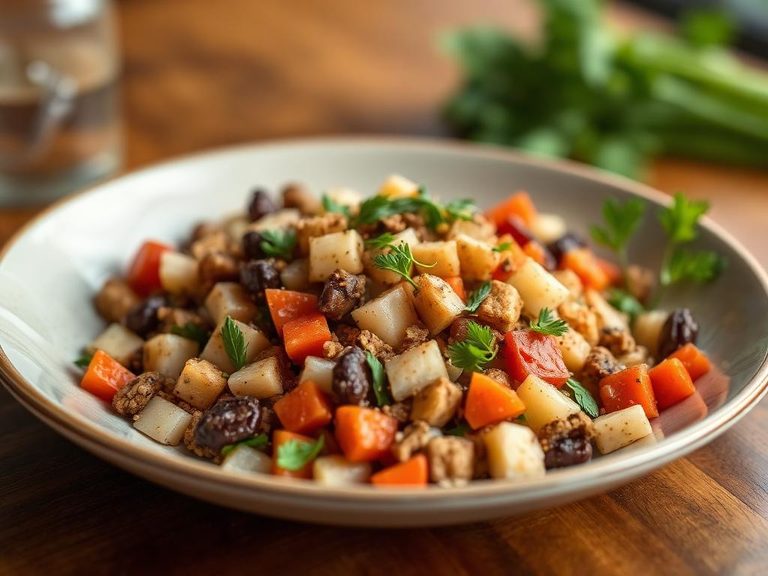
This dish is a versatile concept where various chopped ingredients—often proteins, vegetables, and sauces—are mixed into a base of rice or other grains. It's a global staple, appearing in forms like Korean Bibimbap, Hawaiian Poke Bowls, or simple mixed rice dishes found in many home kitchens. The core idea is to combine a starch with flavorful, textured toppings for a complete, balanced meal.
🍽️ Nutrition at a glance
This is typically a balanced meal, with carbohydrates from the grain base, protein from added ingredients like meat, tofu, or legumes, and healthy fats from oils or avocado. It provides a good mix of macronutrients and key vitamins, with a typical serving ranging from 450 to 700 calories depending on the specific ingredients and portion sizes.
Nutrition breakdown
| Calories | 550 kcal |
| Protein | 25 g |
| Carbs | 70 g |
| Fat | 18 g |
| Fiber | 8 g |
| Sugar | 6 g |
| Sodium | 650 mg |
| Vitamin C | 15 mg |
| Iron | 4 mg |
| Potassium | 500 mg |
| Magnesium | 80 mg |
| Zinc | 3 mg |
| Vitamin B6 | 0.5 mg |
| Folate | 120 mcg |
| Manganese | 1.5 mg |
Per 1 bowl (450 g) · estimated, varies by recipe
💡 What's interesting
Culturally, this format is a brilliant example of culinary adaptation, allowing for endless customization based on local ingredients, seasonal produce, and personal taste. Nutritionally, it's a practical way to achieve a balanced plate, ensuring a mix of fiber, protein, and complex carbs in one convenient bowl.