Mixed into rice or grain bowls
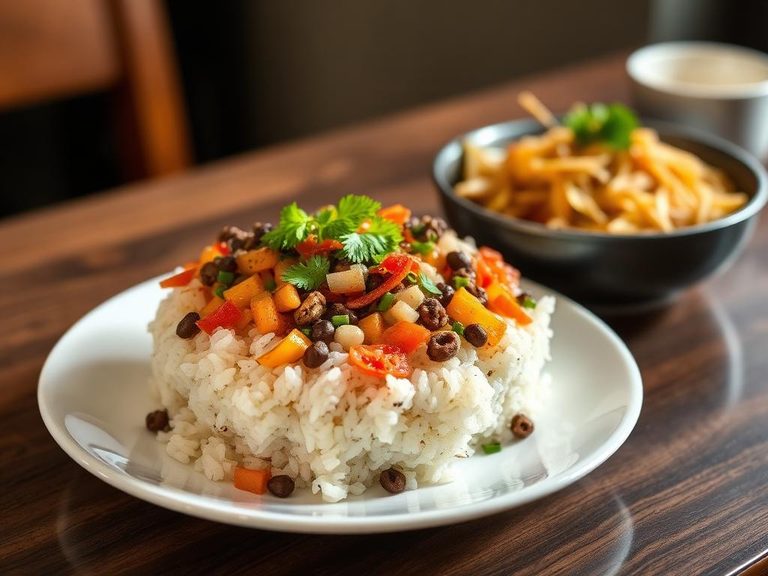
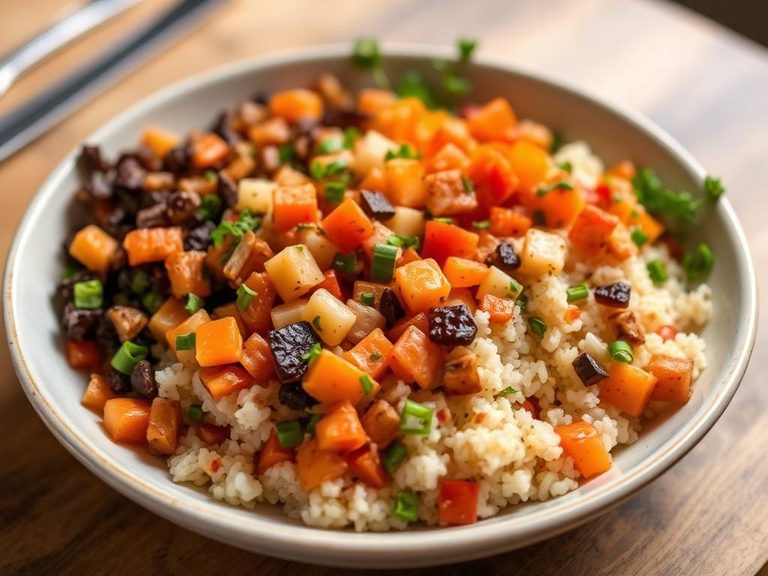
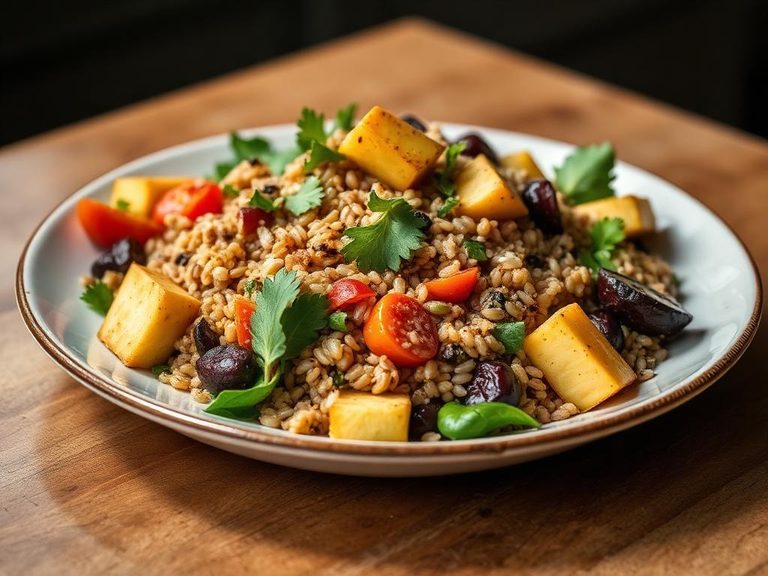
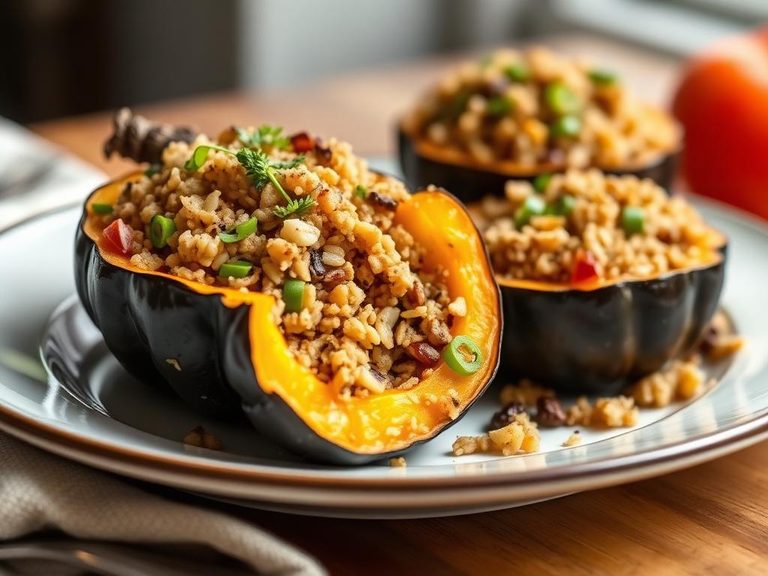
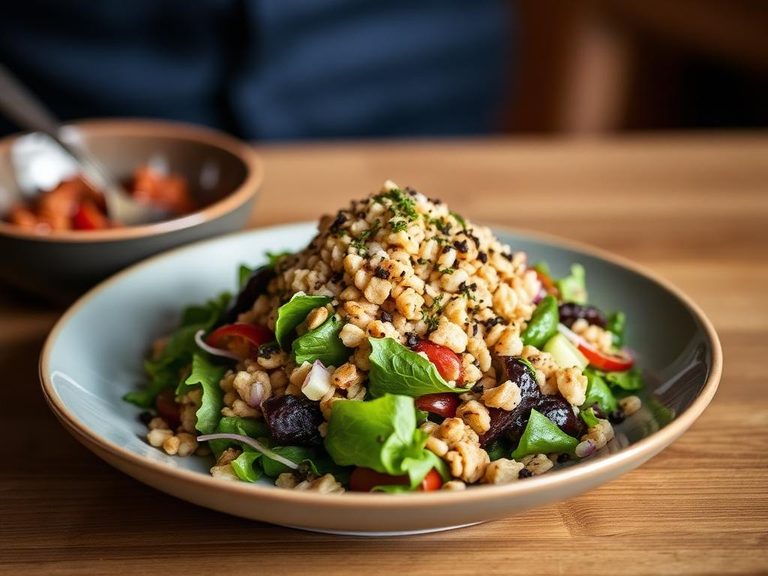
Mixed into rice or grain bowls is a versatile culinary concept where various proteins, vegetables, and sauces are combined with a base of rice, quinoa, or other grains. This style of dish is globally popular, with roots in Asian cuisines like Japanese chirashi or Korean bibimbap, and has become a staple in modern healthy eating.
🍽️ Nutrition at a glance
The nutritional profile is highly variable but is generally balanced, offering a good mix of carbohydrates from the grain, protein from added ingredients like tofu, chicken, or beans, and fiber from vegetables. A typical serving can range from 400 to 600 calories, providing essential nutrients like B vitamins, iron, and potassium.
Nutrition breakdown
| Calories | 500 kcal |
| Protein | 20 g |
| Carbs | 65 g |
| Fat | 18 g |
| Fiber | 8 g |
| Sugar | 6 g |
| Sodium | 600 mg |
| Potassium | 450 mg |
| Iron | 3.5 mg |
| Magnesium | 80 mg |
| Vitamin C | 15 mg |
| Vitamin A | 200 µg |
| Calcium | 100 mg |
| Zinc | 2.5 mg |
| Folate | 120 µg |
Per 1 bowl (approximately 400 g) · estimated, varies by recipe
💡 What's interesting
The 'grain bowl' format is celebrated for its adaptability, allowing for endless combinations based on dietary preferences, seasonal produce, and cultural flavors. It also promotes balanced eating by encouraging a harmonious mix of macronutrients in a single, convenient meal.