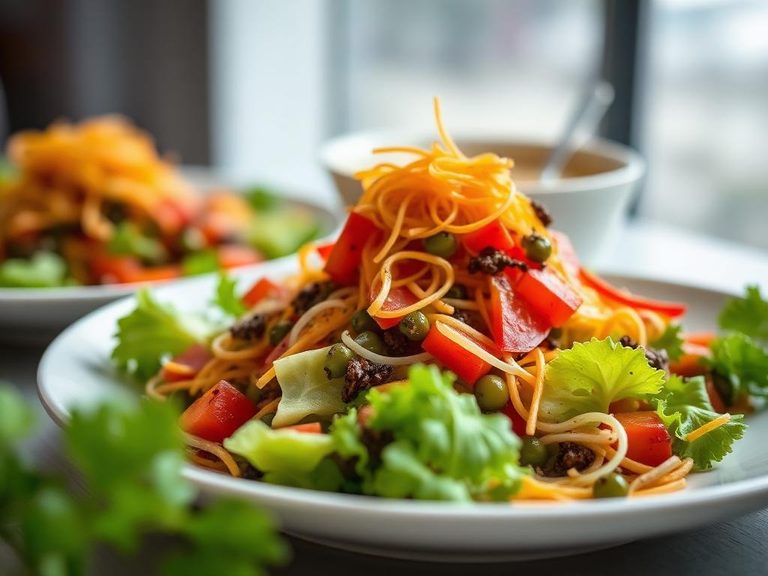
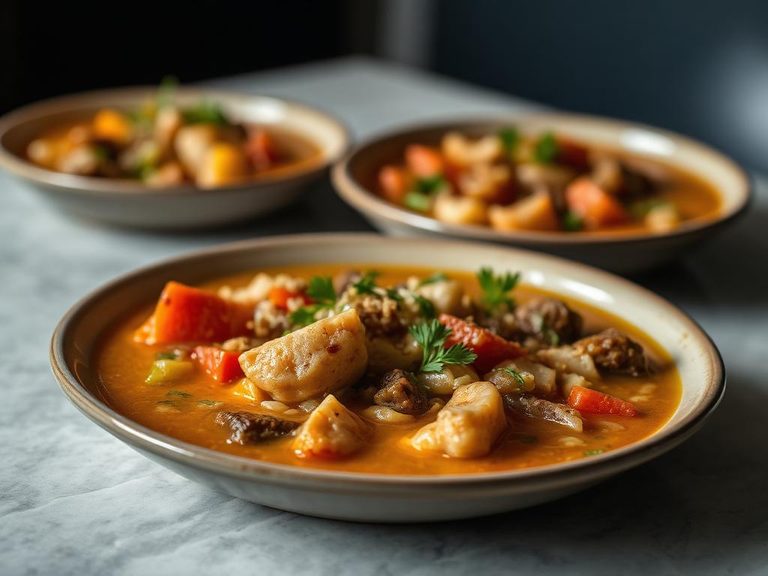
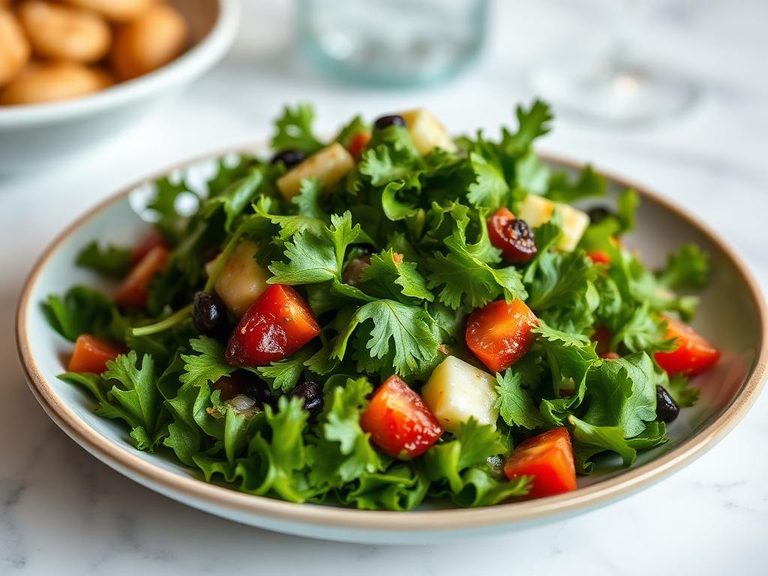
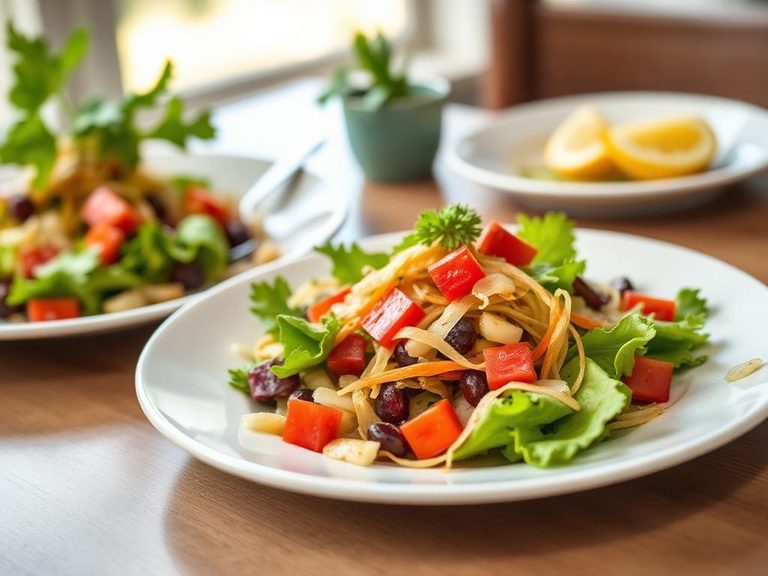
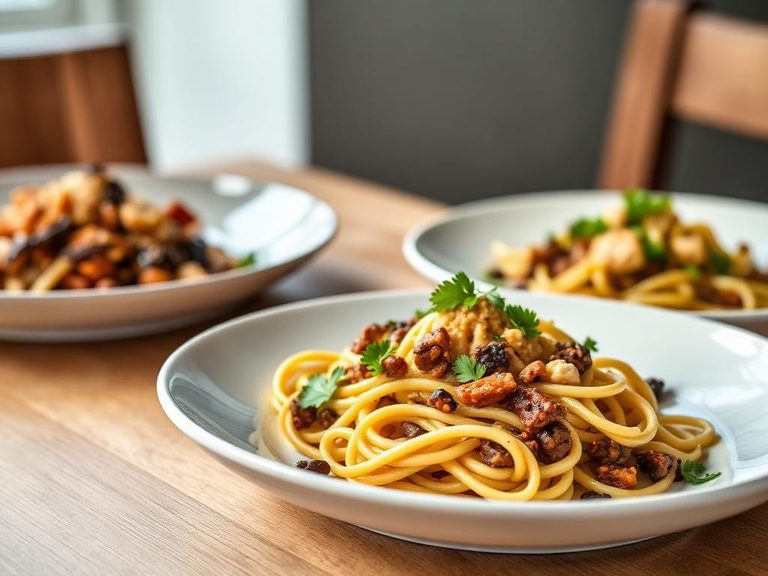
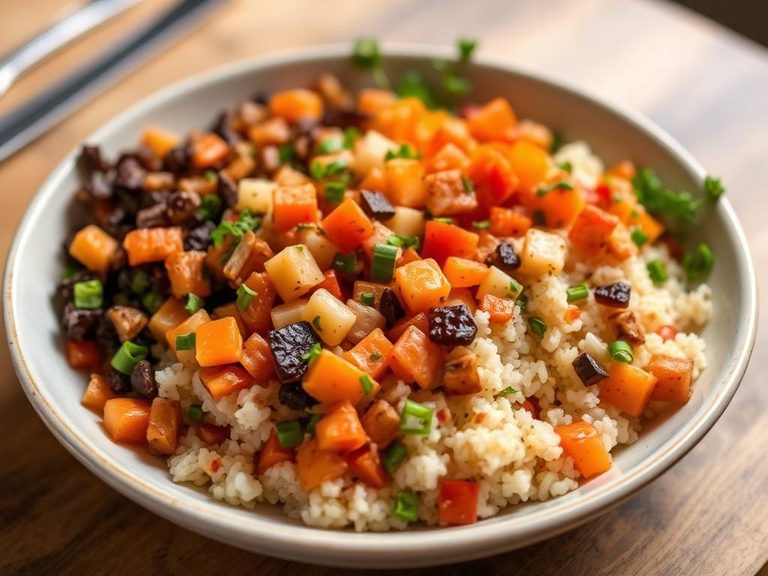
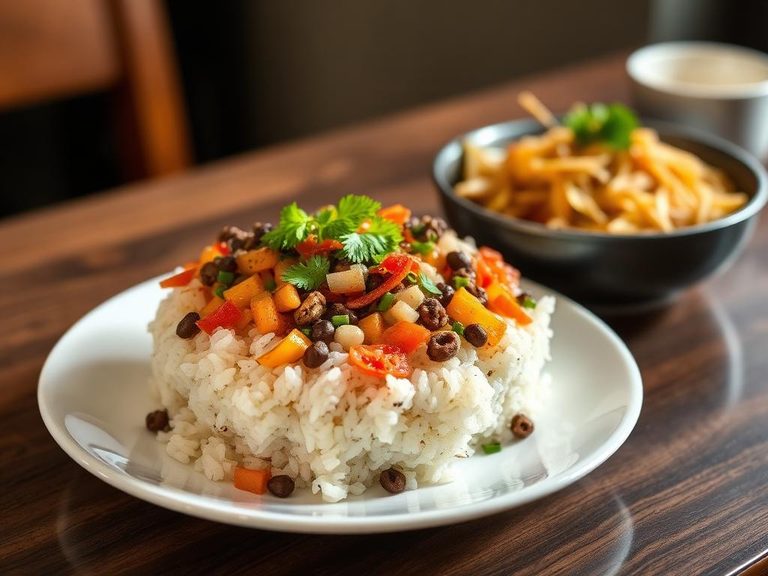
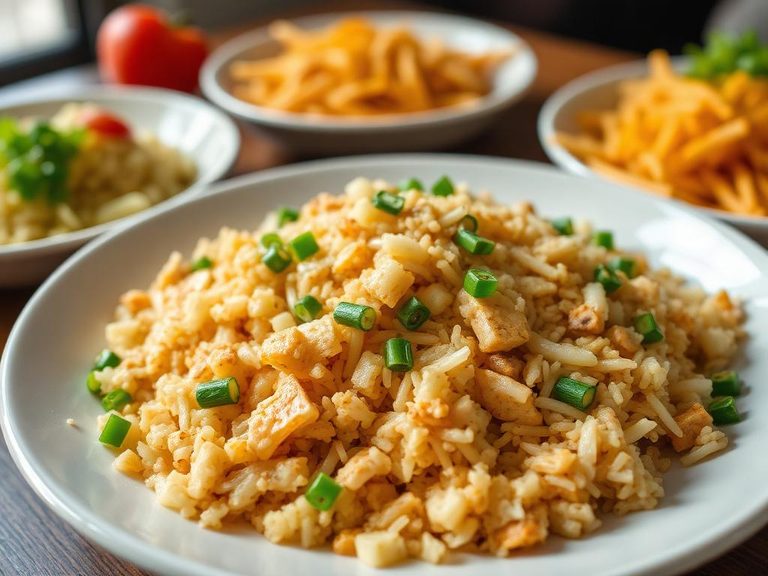
Tossed into cold noodle dishes or grain bowls
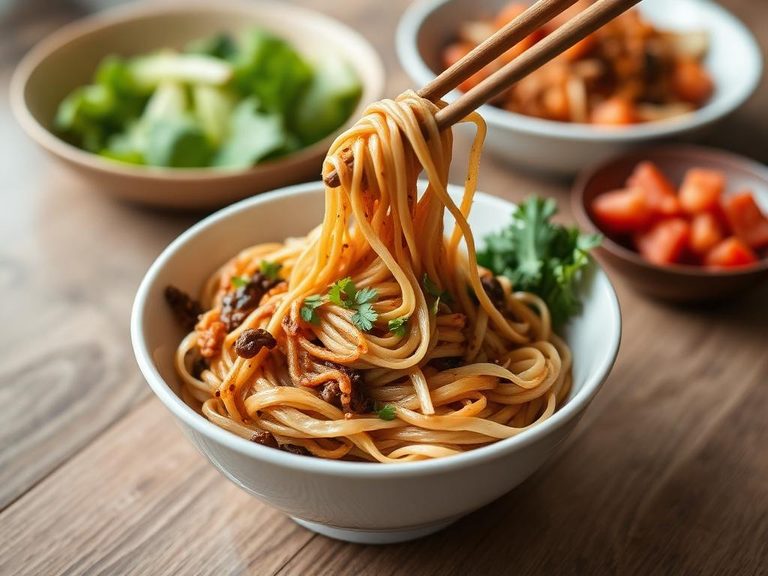
This is not a single dish but a category of ingredients, often pickled, marinated, or seasoned vegetables, designed to add flavor, texture, and acidity to cold noodle dishes or grain bowls. Common examples include pickled daikon radish, cucumber, carrots, or seaweed salads. These preparations are staples in East Asian cuisines, particularly in Korean (banchan) and Japanese (tsukemono) culinary traditions.
🍽️ Nutrition at a glance
These toppings are generally low in calories, fat, and protein, but can be high in sodium due to pickling brines. They primarily provide dietary fiber, vitamin C (from fresh vegetables), and probiotics (if fermented), adding volume and micronutrients without a significant calorie load.
Nutrition breakdown
| Calories | 25 kcal |
| Protein | 1 g |
| Carbs | 5 g |
| Fat | 0 g |
| Fiber | 2 g |
| Sugar | 2 g |
| Sodium | 350 mg |
| Vitamin C | 10 mg |
| Vitamin K | 15 µg |
| Potassium | 120 mg |
| Manganese | 0.1 mg |
| Sodium | 350 mg |
| Folate | 15 µg |
Per 1/2 cup (80 g) · estimated, varies by recipe
💡 What's interesting
Culturally, these toppings are essential for balancing a meal, providing a bright, acidic contrast to rich or starchy bases. Nutritionally, fermented versions like kimchi or certain pickles offer gut-healthy probiotics, while all add crunch and hydration to a dish.