Diced into fried rice or noodle dishes
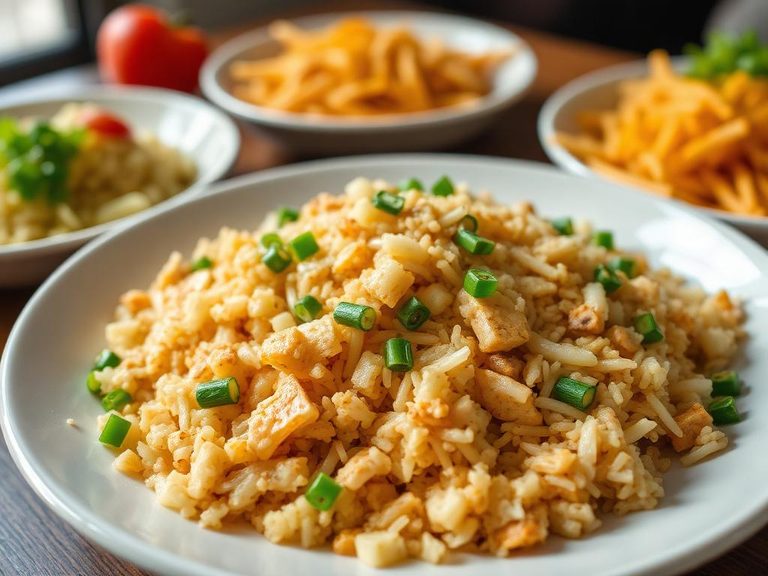
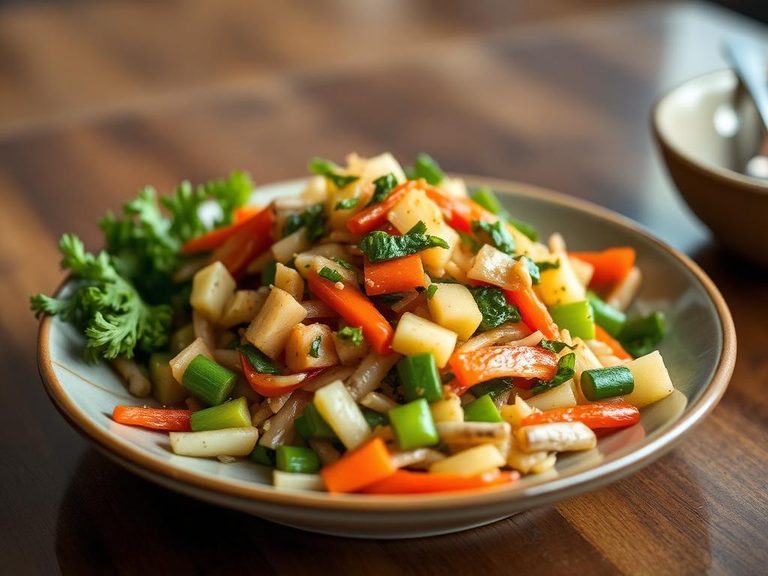
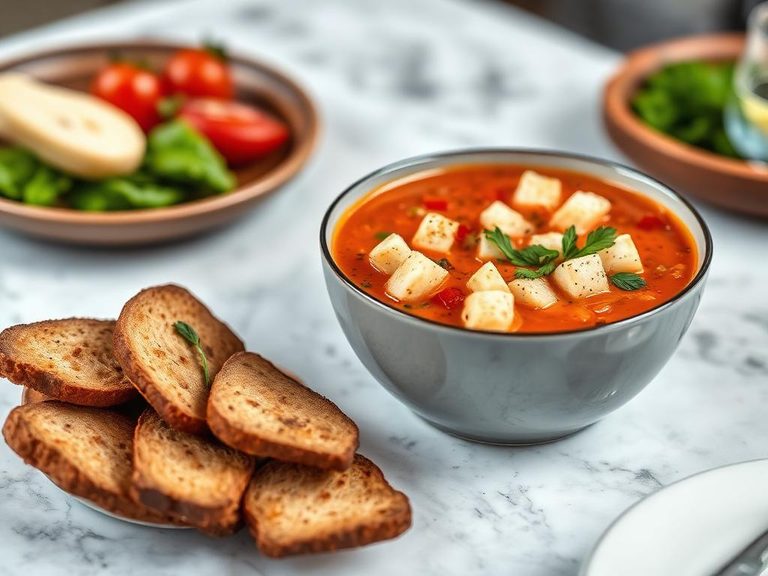
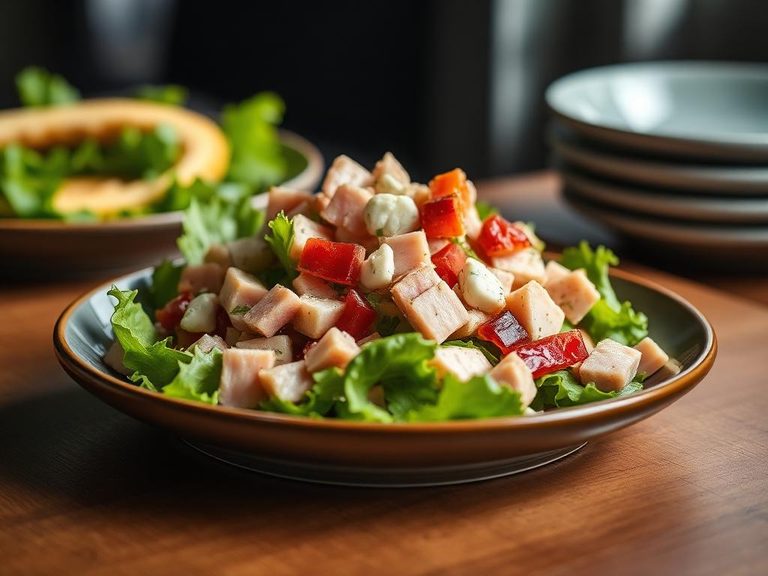
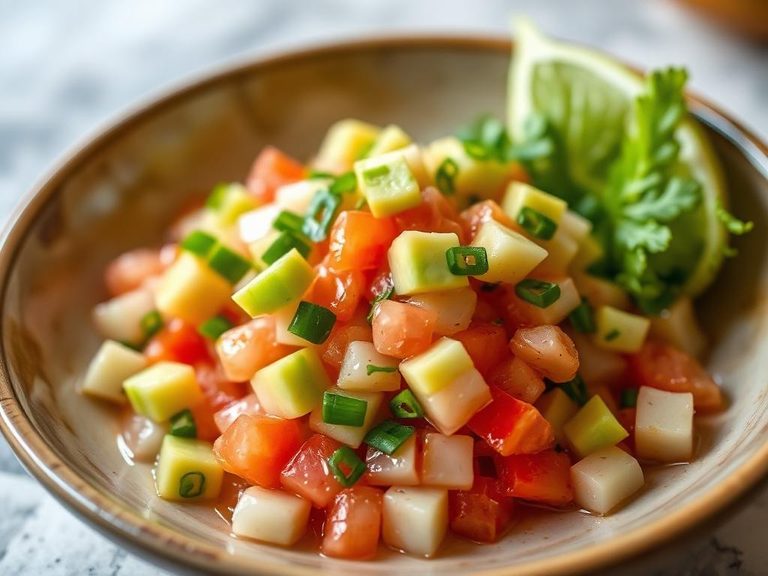
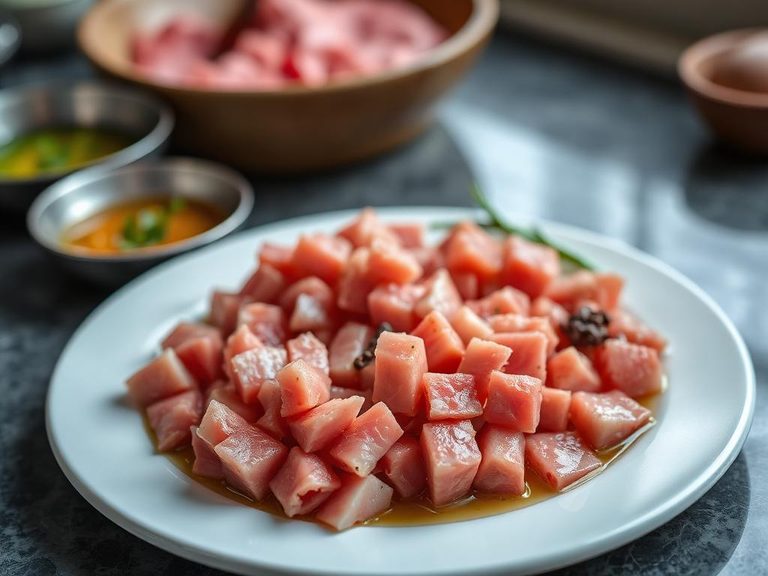
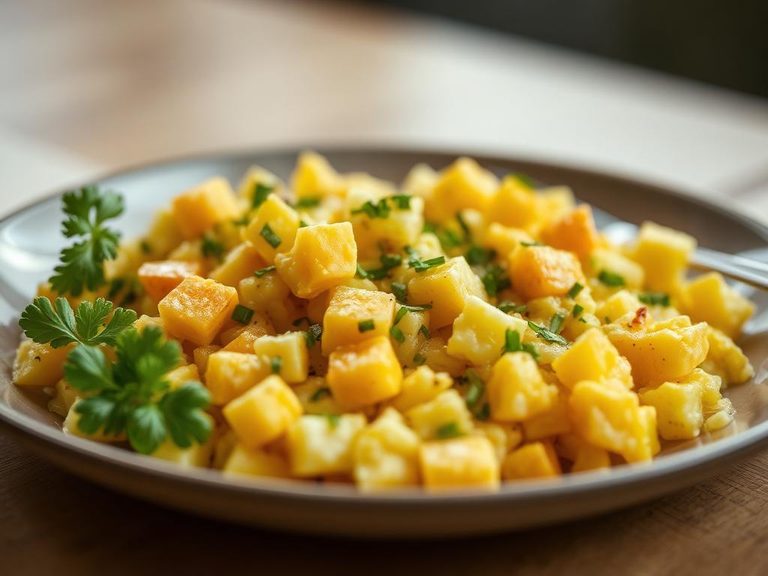
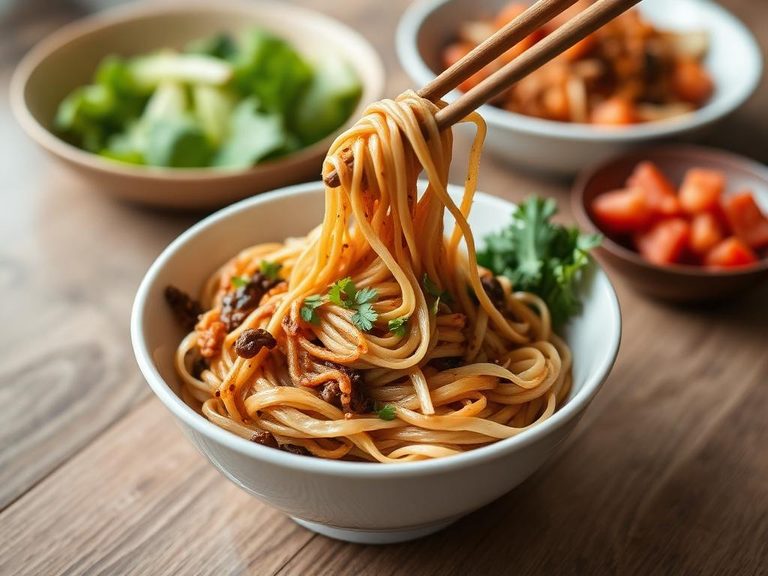
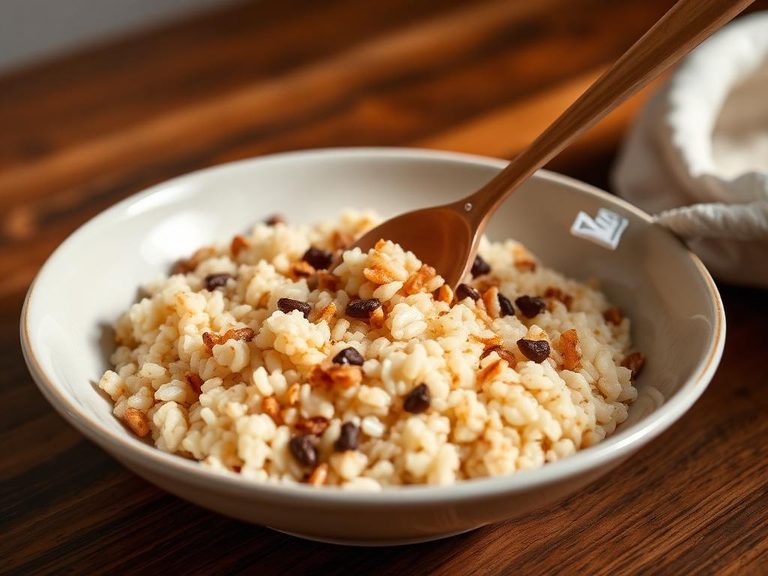
Diced into fried rice or noodle dishes refers to the culinary technique of cutting ingredients into small, uniform cubes to be stir-fried with rice or noodles. This method is a cornerstone of Chinese cuisine, particularly in Cantonese and Sichuan cooking, where it ensures even cooking and a harmonious blend of flavors in dishes like Yangzhou fried rice or chow mein.
🍽️ Nutrition at a glance
This preparation is typically high in carbohydrates from the rice or noodles, with moderate protein and fat depending on the added ingredients like eggs, meat, or tofu. It provides a good source of energy, B vitamins, and minerals such as iron and selenium, with a typical serving containing around 400-600 calories.
Nutrition breakdown
| Calories | 480 kcal |
| Protein | 15 g |
| Carbs | 65 g |
| Fat | 18 g |
| Fiber | 4 g |
| Sugar | 5 g |
| Sodium | 800 mg |
| Iron | 3.5 mg |
| Selenium | 25 mcg |
| Vitamin B6 | 0.4 mg |
| Niacin (B3) | 5 mg |
| Thiamin (B1) | 0.3 mg |
| Potassium | 350 mg |
| Phosphorus | 200 mg |
| Manganese | 1.5 mg |
Per 1 cup (240 g) · estimated, varies by recipe
💡 What's interesting
Culturally, the uniform dicing is believed to symbolize prosperity and balance in Chinese food philosophy, while nutritionally, the quick stir-frying at high heat helps retain the nutrients and crisp texture of vegetables.