

Fish, salmon, chum, raw
Whole food · Finfish and Shellfish Products

Photo: Wikipedia
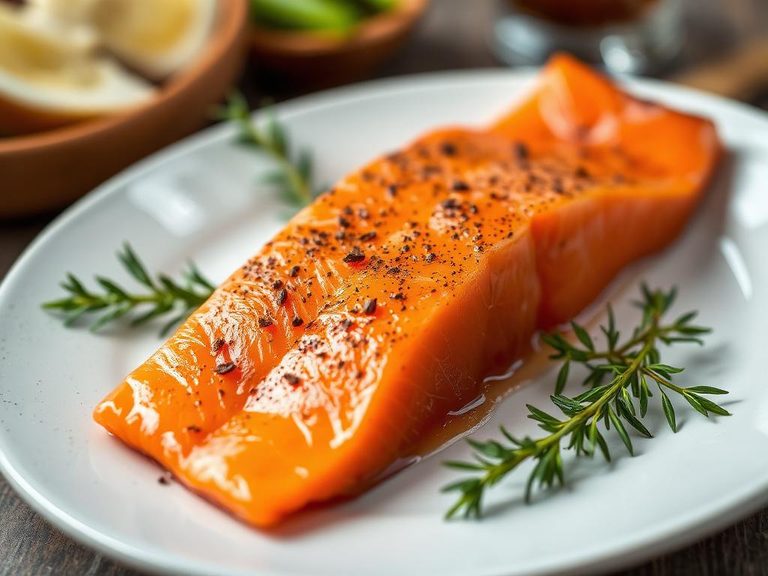
Chum salmon, also known as dog salmon, is a lean, robust Pacific salmon prized for its firm, meaty texture and deep, savory flavor. While less fatty than its sockeye or king cousins, its flesh turns a distinctive pink-orange when cooked and is a staple for its high-quality protein and omega-3 content. It's a workhorse fish, equally at home in a rustic stew or as a clean, nutritious fillet.
Calorie split: 70% protein · 0% carbs · 30% fat
↓ Full nutrition💚 Why it's loved
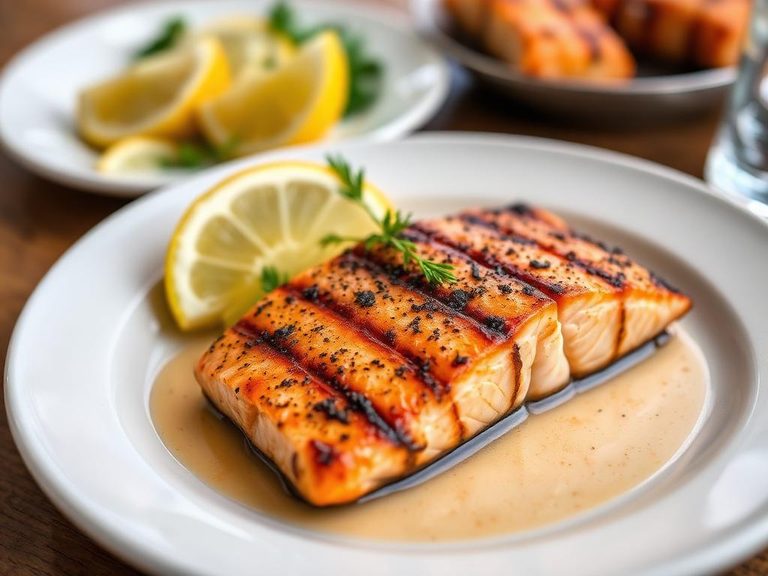
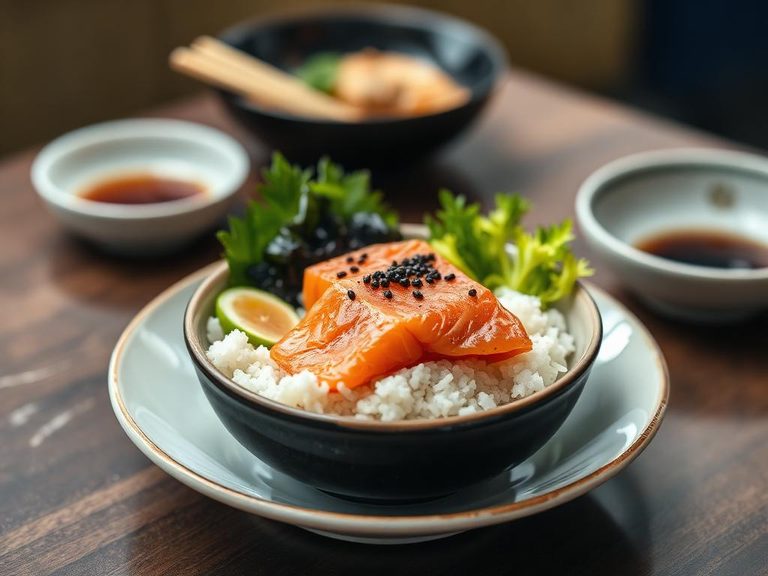
People love chum salmon for its hearty, satisfying texture that holds up beautifully to grilling, broiling, or smoking, making it incredibly versatile. Its strong, savory flavor is a canvas for bold seasonings and it's deeply embedded in Pacific Northwest and Asian culinary traditions, from smoked fillets to traditional dried preparations.
⚠️ Watch-outs & how to enjoy it better
Its leanness can lead to dryness if overcooked, and its pronounced flavor is less appealing to those who prefer milder fish. As a common fish allergen, it must be avoided by individuals with fish allergies. To counteract dryness, marinate briefly or cook using moist-heat methods like poaching or baking en papillote; pair with a flavorful sauce or glaze to add moisture and richness.
Key benefits
- Excellent source of complete protein (20g per 100g raw).
- Rich in omega-3 fatty acids, supporting heart and brain health.
- Provides significant B vitamins, especially B12 and niacin.
- Naturally low in carbohydrates and sugars.
- A good source of selenium and phosphorus.
🍽️ Popular dishes
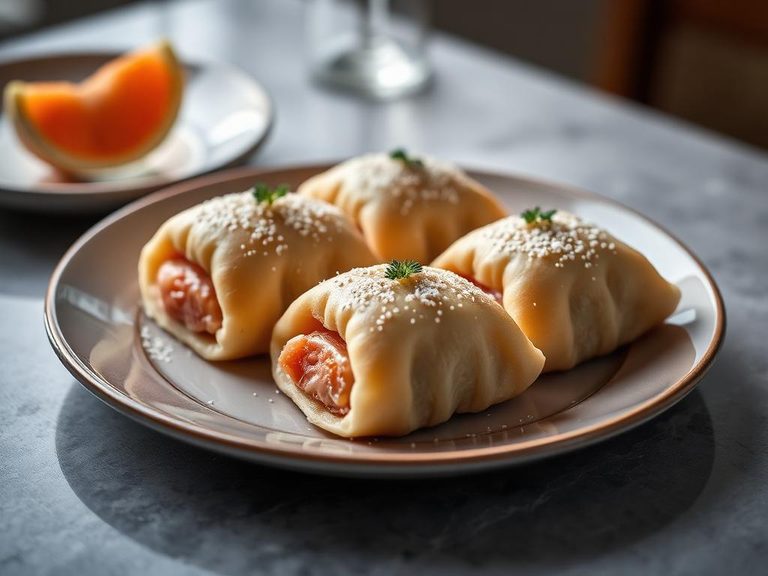
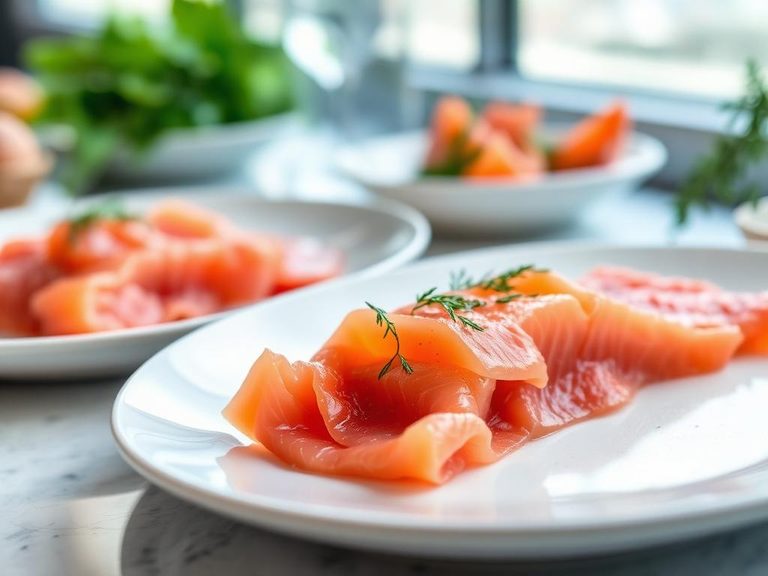
🌍 Where it's eaten
💡 Did you know?
Male chum salmon develop large, canine-like teeth during spawning season, which is how they earned the common name 'dog salmon.'
Full nutrition (USDA data · scales with serving)
| Water | 75.4 g |
| Energy | 120 kcal |
| Energy | 502 kj |
| Protein | 20.1 g |
| Total lipid (fat) | 3.8 g |
| Ash | 1.2 g |
| Carbohydrate, by difference | 0.00 g |
| Fiber, total dietary | 0.00 g |
| Calcium, Ca | 11.0 mg |
| Iron, Fe | 0.55 mg |
| Magnesium, Mg | 22.0 mg |
| Phosphorus, P | 283 mg |
| Potassium, K | 429 mg |
| Sodium, Na | 50.0 mg |
| Zinc, Zn | 0.47 mg |
| Copper, Cu | 0.06 mg |
| Manganese, Mn | 0.01 mg |
| Selenium, Se | 36.5 ug |
| Vitamin C, total ascorbic acid | 0.00 mg |
| Thiamin | 0.08 mg |
| Riboflavin | 0.18 mg |
| Niacin | 7.0 mg |
| Pantothenic acid | 0.75 mg |
| Vitamin B-6 | 0.40 mg |
| Folate, total | 4.0 ug |
| Folic acid | 0.00 ug |
| Folate, food | 4.0 ug |
| Folate, DFE | 4.0 ug |
| Vitamin B-12 | 3.0 ug |
| Vitamin A, RAE | 30.0 ug |
| Retinol | 30.0 ug |
| Vitamin A, IU | 99.0 iu |
| Vitamin E (alpha-tocopherol) | 1.1 mg |
| Alcohol, ethyl | 0.00 g |
Fat & fatty acid profile (per 100g)
| Fatty acids, total saturated | 0.84 g |
| SFA 14:0 | 0.15 g |
| SFA 16:0 | 0.59 g |
| SFA 18:0 | 0.10 g |
| Fatty acids, total monounsaturated | 1.5 g |
| MUFA 16:1 | 0.22 g |
| MUFA 18:1 | 0.82 g |
| MUFA 20:1 | 0.18 g |
| MUFA 22:1 | 0.32 g |
| Fatty acids, total polyunsaturated | 0.90 g |
| PUFA 18:2 | 0.06 g |
| PUFA 18:3 | 0.03 g |
| PUFA 18:4 | 0.07 g |
| PUFA 20:4 | 0.03 g |
| PUFA 20:5 n-3 (EPA) | 0.23 g |
| PUFA 22:5 n-3 (DPA) | 0.08 g |
| PUFA 22:6 n-3 (DHA) | 0.39 g |
| Cholesterol | 74.0 mg |
Amino acid profile (per 100g)
| Tryptophan | 0.23 g |
| Threonine | 0.88 g |
| Isoleucine | 0.93 g |
| Leucine | 1.6 g |
| Lysine | 1.8 g |
| Methionine | 0.60 g |
| Cystine | 0.22 g |
| Phenylalanine | 0.79 g |
| Tyrosine | 0.68 g |
| Valine | 1.0 g |
| Arginine | 1.2 g |
| Histidine | 0.59 g |
| Alanine | 1.2 g |
| Aspartic acid | 2.1 g |
| Glutamic acid | 3.0 g |
| Glycine | 0.97 g |
| Proline | 0.71 g |
| Serine | 0.82 g |
FAQ
How is chum salmon different from other salmon?
Chum is generally leaner and has a milder, more delicate flavor than sockeye or king salmon, with a firmer, meatier texture. Its flesh is a lighter pink-orange and it's often more affordable.
What's the best way to cook chum salmon to keep it moist?
Avoid overcooking! Use methods like baking en papillote (in parchment), poaching, or quick grilling with a glaze. An internal temperature of 125-130°F (52-54°C) is ideal for a moist result.
Is canned chum salmon healthy?
Yes, it's a nutritious and convenient option. It's packed with protein and omega-3s. Look for varieties canned in water or its own juices to avoid added sodium and oils.
Nutrient density (calculated · NRF9.3)
Nutrient Rich Foods index: beneficial nutrients (protein, fiber, vitamins, minerals) minus saturated fat, added sugar & sodium, per 100 kcal.
NRF9.3 index — Fulgoni, Keast & Drewnowski, 2009. Computed from USDA nutrients.
Weight-loss friendliness (composite index)
Energy density 1.20 kcal/g · 67% calories from protein · 0.0 g fiber · 0.0 g sugar per 100 g.
Composite of energy density (Rolls et al., 1999), protein & fiber satiety, minus sugar. A calculated heuristic — ranks satiety-per-calorie, not a clinical measure.
Dietary load (calculated from USDA values)
Potential renal acid load. Positive = acid-forming, negative = alkaline-forming.
Sodium-to-potassium ratio: 0.12 (lower is better — aim for ≤ 1)
Sodium:potassium per WHO potassium guidance. Computed from USDA nutrients.