

Fish, salmon, chum, cooked, dry heat
Whole food · Finfish and Shellfish Products

Photo: Wikipedia
Chum salmon, cooked with dry heat, is a lean, robust fish with a firm, meaty texture and a deep, rich flavor. Its vibrant pink-orange flesh is packed with protein, making it a powerhouse for muscle maintenance and repair.
Calorie split: 70% protein · 0% carbs · 30% fat
↓ Full nutrition💚 Why it's loved
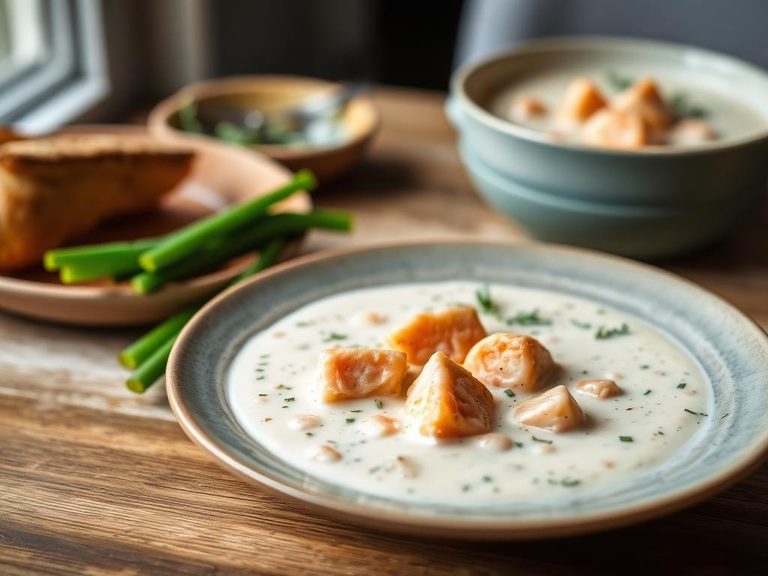
People love its bold, distinctive salmon flavor and satisfyingly firm texture that holds up well to grilling and baking. It's a staple in hearty, comforting dishes from chowders to casseroles.
⚠️ Watch-outs & how to enjoy it better
Its strong flavor can be too pronounced for those who prefer milder fish, and it can be drier than fattier salmon species if overcooked. To counteract dryness, cook to an internal temperature of 145°F (63°C) and consider basting with a flavorful glaze or sauce. Pairing it with a creamy dill sauce or a bright lemon-herb dressing can also balance its robust taste.
Key benefits
- Excellent source of high-quality protein
- Naturally carb-free and sugar-free
- Rich in essential omega-3 fatty acids
- Good source of B vitamins like niacin and B12
- Contains important minerals like selenium and phosphorus
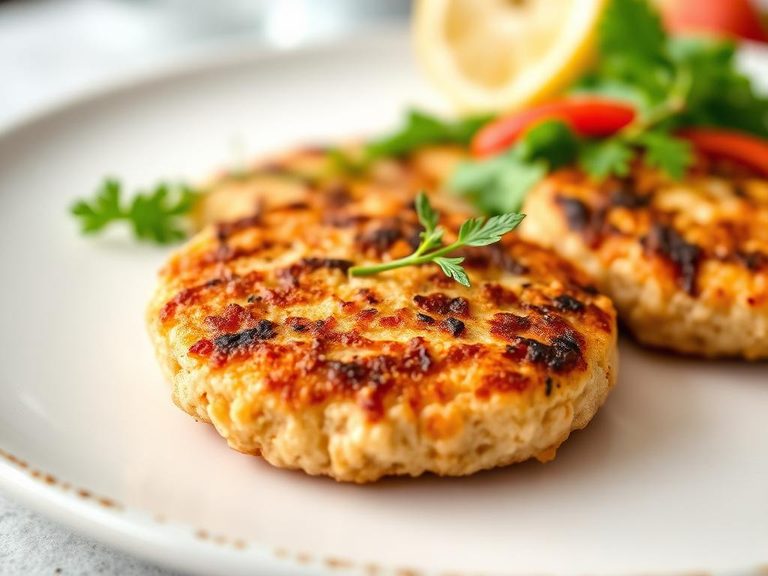
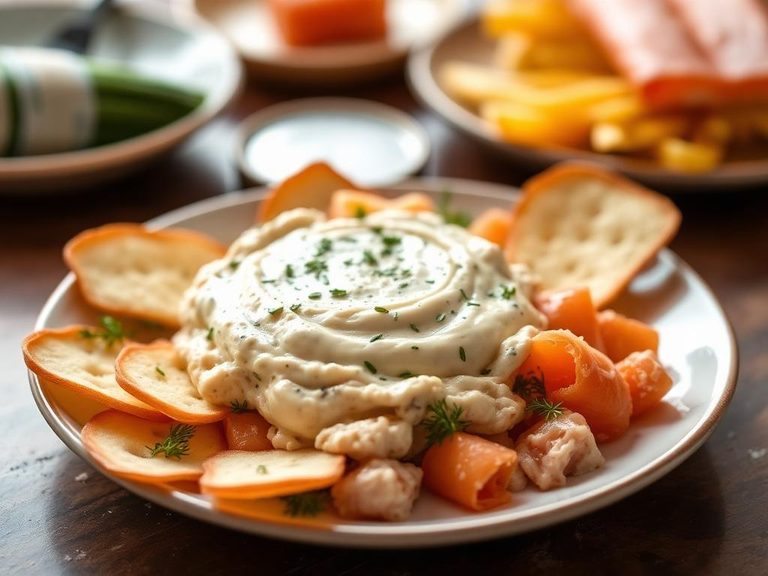
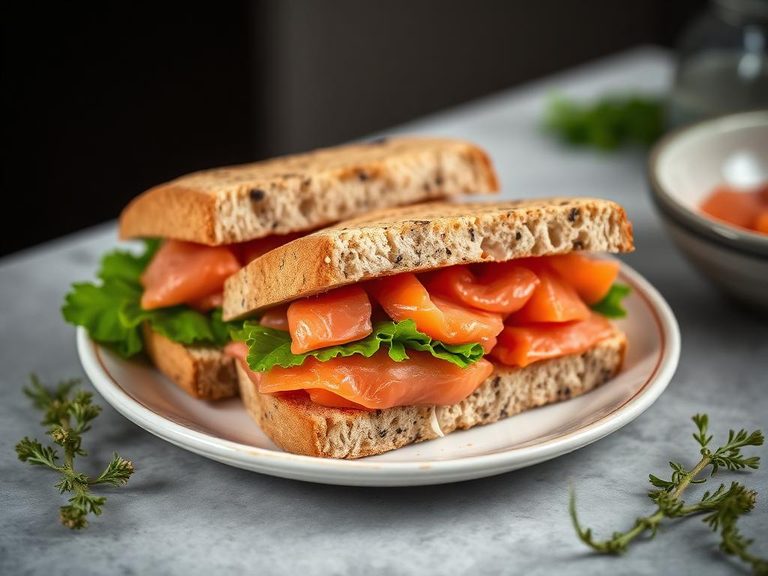
🍽️ Popular dishes
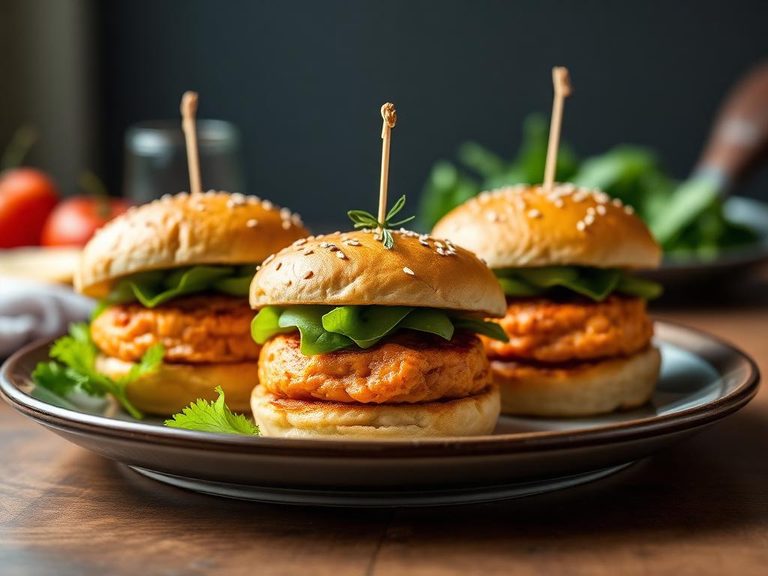
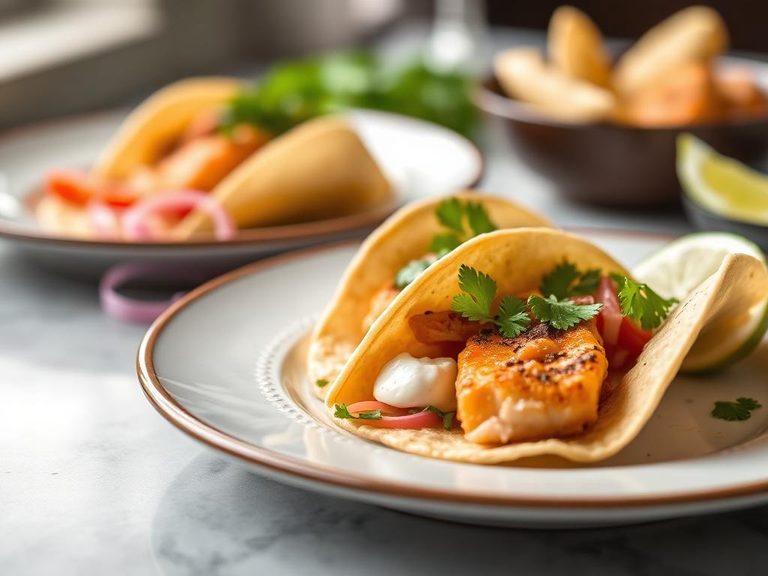
🌍 Where it's eaten
💡 Did you know?
Chum salmon are also known as 'dog salmon' because their hooked, canine-like teeth during spawning season reminded early fishermen of a dog's teeth.
Full nutrition (USDA data · scales with serving)
| Water | 68.4 g |
| Energy | 154 kcal |
| Energy | 644 kj |
| Protein | 25.8 g |
| Total lipid (fat) | 4.8 g |
| Ash | 1.5 g |
| Carbohydrate, by difference | 0.00 g |
| Fiber, total dietary | 0.00 g |
| Calcium, Ca | 14.0 mg |
| Iron, Fe | 0.71 mg |
| Magnesium, Mg | 28.0 mg |
| Phosphorus, P | 363 mg |
| Potassium, K | 550 mg |
| Sodium, Na | 64.0 mg |
| Zinc, Zn | 0.60 mg |
| Copper, Cu | 0.07 mg |
| Manganese, Mn | 0.02 mg |
| Selenium, Se | 46.8 ug |
| Vitamin C, total ascorbic acid | 0.00 mg |
| Thiamin | 0.09 mg |
| Riboflavin | 0.22 mg |
| Niacin | 8.5 mg |
| Pantothenic acid | 0.86 mg |
| Vitamin B-6 | 0.46 mg |
| Folate, total | 5.0 ug |
| Folic acid | 0.00 ug |
| Folate, food | 5.0 ug |
| Folate, DFE | 5.0 ug |
| Vitamin B-12 | 3.5 ug |
| Vitamin A, RAE | 34.0 ug |
| Retinol | 34.0 ug |
| Vitamin A, IU | 114 iu |
Fat & fatty acid profile (per 100g)
| Fatty acids, total saturated | 1.1 g |
| SFA 14:0 | 0.19 g |
| SFA 16:0 | 0.75 g |
| SFA 18:0 | 0.13 g |
| Fatty acids, total monounsaturated | 2.0 g |
| MUFA 16:1 | 0.28 g |
| MUFA 18:1 | 1.0 g |
| MUFA 20:1 | 0.24 g |
| MUFA 22:1 | 0.41 g |
| Fatty acids, total polyunsaturated | 1.2 g |
| PUFA 18:2 | 0.08 g |
| PUFA 18:3 | 0.04 g |
| PUFA 18:4 | 0.09 g |
| PUFA 20:4 | 0.04 g |
| PUFA 20:5 n-3 (EPA) | 0.30 g |
| PUFA 22:5 n-3 (DPA) | 0.10 g |
| PUFA 22:6 n-3 (DHA) | 0.51 g |
| Cholesterol | 95.0 mg |
Amino acid profile (per 100g)
| Tryptophan | 0.29 g |
| Threonine | 1.1 g |
| Isoleucine | 1.2 g |
| Leucine | 2.1 g |
| Lysine | 2.4 g |
| Methionine | 0.76 g |
| Cystine | 0.28 g |
| Phenylalanine | 1.0 g |
| Tyrosine | 0.87 g |
| Valine | 1.3 g |
| Arginine | 1.5 g |
| Histidine | 0.76 g |
| Alanine | 1.6 g |
| Aspartic acid | 2.6 g |
| Glutamic acid | 3.9 g |
| Glycine | 1.2 g |
| Proline | 0.91 g |
| Serine | 1.1 g |
FAQ
Is chum salmon healthy?
Yes, it's very healthy. It's an excellent source of lean protein and omega-3 fatty acids, which support heart and brain health, and is virtually free of carbohydrates and sugars.
How does chum salmon taste compared to other salmon?
Chum has a stronger, more pronounced salmon flavor and a firmer, less oily texture than species like sockeye or king (chinook). Its robust taste makes it ideal for bold preparations and canning.
What's the best way to cook chum salmon to keep it moist?
Since it's leaner, avoid overcooking. Bake, broil, or grill it quickly, basting with a marinade, glaze, or oil. Cooking it to an internal temperature of 145°F (63°C) ensures it's done but still moist.
Nutrient density (calculated · NRF9.3)
Nutrient Rich Foods index: beneficial nutrients (protein, fiber, vitamins, minerals) minus saturated fat, added sugar & sodium, per 100 kcal.
NRF9.3 index — Fulgoni, Keast & Drewnowski, 2009. Computed from USDA nutrients.
Weight-loss friendliness (composite index)
Energy density 1.54 kcal/g · 67% calories from protein · 0.0 g fiber · 0.0 g sugar per 100 g.
Composite of energy density (Rolls et al., 1999), protein & fiber satiety, minus sugar. A calculated heuristic — ranks satiety-per-calorie, not a clinical measure.
Dietary load (calculated from USDA values)
Potential renal acid load. Positive = acid-forming, negative = alkaline-forming.
Sodium-to-potassium ratio: 0.12 (lower is better — aim for ≤ 1)
Sodium:potassium per WHO potassium guidance. Computed from USDA nutrients.