

Fish, drum, freshwater, cooked, dry heat
Whole food · Finfish and Shellfish Products

Photo: Wikipedia
Freshwater drum, when cooked with dry heat, yields a mild, sweet-flavored white fish with a firm, flaky texture that holds up beautifully to grilling or pan-searing. It's a lean protein powerhouse, offering over 22 grams of high-quality protein per 100 grams with virtually no carbohydrates. The cooking method preserves its clean taste while providing a satisfying, meaty bite.
Calorie split: 61% protein · 0% carbs · 39% fat
↓ Full nutrition💚 Why it's loved
People appreciate its mild, non-fishy flavor and versatile, firm texture that doesn't fall apart, making it ideal for various cooking methods from simple pan-frying to complex stews. It's a beloved staple in many regional cuisines for its ability to absorb seasonings while maintaining a pleasant, substantial bite.
⚠️ Watch-outs & how to enjoy it better
As a freshwater fish, it can sometimes have a muddy or earthy taste if not sourced from clean waters, which some palates find off-putting. To counteract this, soak fillets in milk or a light saltwater solution for 30 minutes before cooking, and always source from reputable fisheries or markets. Its firm texture can become dry if overcooked, so monitor closely and use a meat thermometer to aim for an internal temperature of 145°F (63°C).
Key benefits
- Excellent source of lean, complete protein for muscle maintenance.
- Very low in carbohydrates, suitable for low-carb and ketogenic diets.
- Provides essential nutrients like selenium and B vitamins.
- Naturally low in sodium when prepared without added salt.
- A good source of healthy fats, including omega-3 fatty acids.
🍽️ Popular dishes
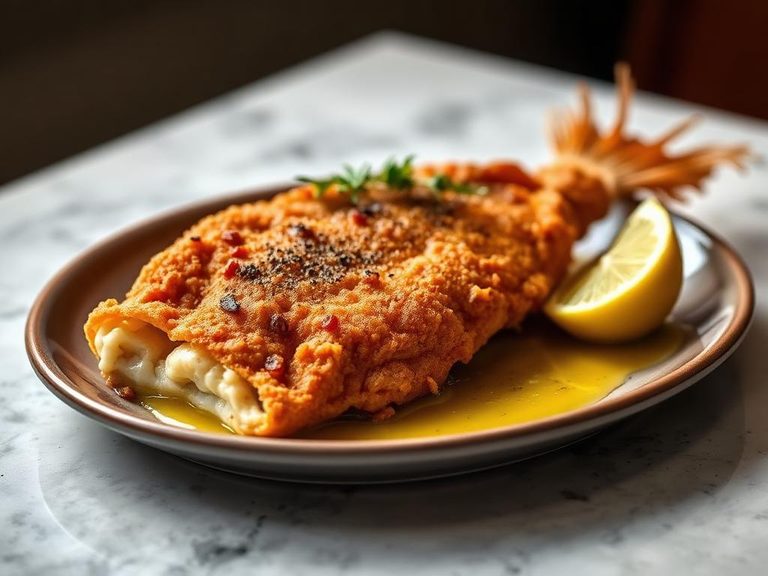
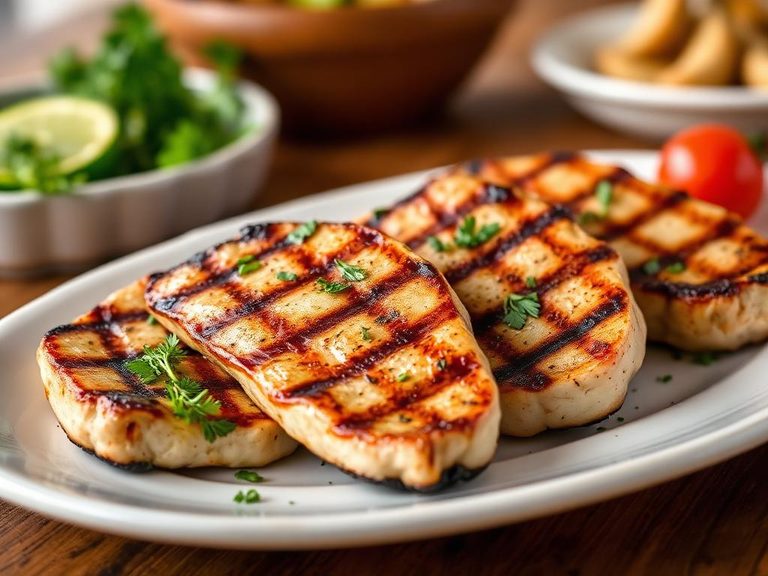

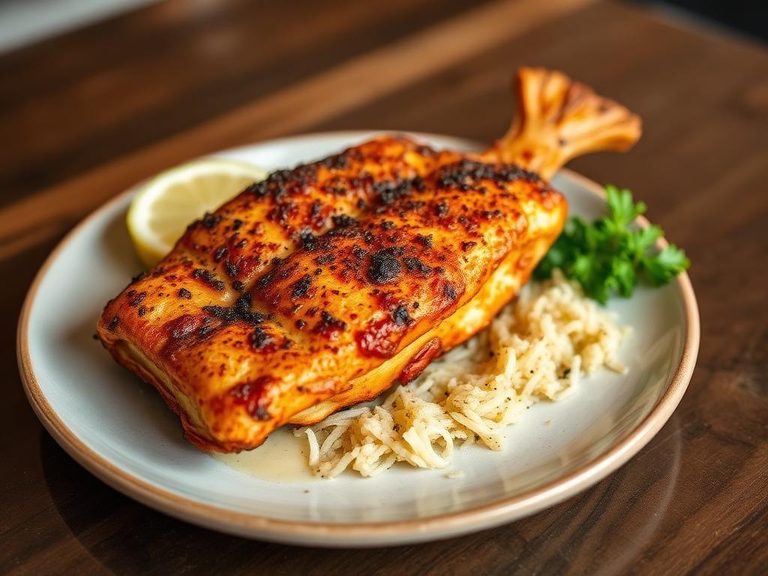
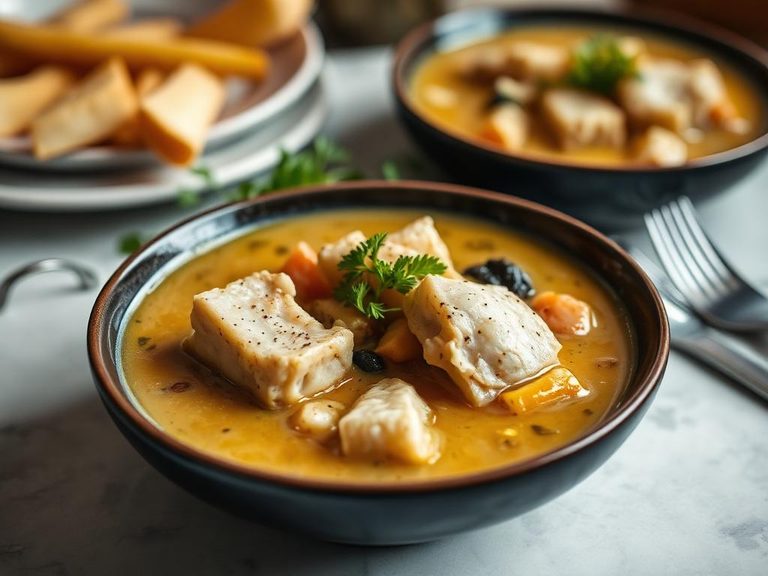

🌍 Where it's eaten
💡 Did you know?
The freshwater drum is also known as the 'gaspergou' or 'gou' in Louisiana Cajun country, and its inner ear bones (otoliths) are large, stone-like structures historically used by children as 'button' toys or good-luck charms.
Full nutrition (USDA data · scales with serving)
| Water | 70.9 g |
| Energy | 153 kcal |
| Energy | 640 kj |
| Protein | 22.5 g |
| Total lipid (fat) | 6.3 g |
| Ash | 1.4 g |
| Carbohydrate, by difference | 0.00 g |
| Fiber, total dietary | 0.00 g |
| Calcium, Ca | 77.0 mg |
| Iron, Fe | 1.1 mg |
| Magnesium, Mg | 38.0 mg |
| Phosphorus, P | 231 mg |
| Potassium, K | 353 mg |
| Sodium, Na | 96.0 mg |
| Zinc, Zn | 0.85 mg |
| Copper, Cu | 0.30 mg |
| Manganese, Mn | 0.90 mg |
| Selenium, Se | 16.2 ug |
| Vitamin C, total ascorbic acid | 1.0 mg |
| Thiamin | 0.08 mg |
| Riboflavin | 0.21 mg |
| Niacin | 2.9 mg |
| Pantothenic acid | 0.86 mg |
| Vitamin B-6 | 0.35 mg |
| Folate, total | 17.0 ug |
| Folic acid | 0.00 ug |
| Folate, food | 17.0 ug |
| Folate, DFE | 17.0 ug |
| Vitamin B-12 | 2.3 ug |
| Vitamin A, RAE | 59.0 ug |
| Retinol | 59.0 ug |
| Vitamin A, IU | 196 iu |
Fat & fatty acid profile (per 100g)
| Fatty acids, total saturated | 1.4 g |
| SFA 14:0 | 0.14 g |
| SFA 16:0 | 1.1 g |
| SFA 18:0 | 0.18 g |
| Fatty acids, total monounsaturated | 2.8 g |
| MUFA 16:1 | 1.0 g |
| MUFA 18:1 | 1.5 g |
| MUFA 20:1 | 0.10 g |
| MUFA 22:1 | 0.15 g |
| Fatty acids, total polyunsaturated | 1.5 g |
| PUFA 18:2 | 0.20 g |
| PUFA 18:3 | 0.15 g |
| PUFA 20:4 | 0.29 g |
| PUFA 20:5 n-3 (EPA) | 0.29 g |
| PUFA 22:5 n-3 (DPA) | 0.18 g |
| PUFA 22:6 n-3 (DHA) | 0.37 g |
| Cholesterol | 82.0 mg |
Amino acid profile (per 100g)
| Tryptophan | 0.25 g |
| Threonine | 0.99 g |
| Isoleucine | 1.0 g |
| Leucine | 1.8 g |
| Lysine | 2.1 g |
| Methionine | 0.67 g |
| Cystine | 0.24 g |
| Phenylalanine | 0.88 g |
| Tyrosine | 0.76 g |
| Valine | 1.2 g |
| Arginine | 1.3 g |
| Histidine | 0.66 g |
| Alanine | 1.4 g |
| Aspartic acid | 2.3 g |
| Glutamic acid | 3.4 g |
| Glycine | 1.1 g |
| Proline | 0.80 g |
| Serine | 0.92 g |
FAQ
What does freshwater drum taste like?
It has a mild, slightly sweet flavor with a clean, non-fishy taste, often compared to snapper or sea bass. The texture is firm and flaky, making it satisfying to eat.
Is freshwater drum a healthy fish to eat?
Yes, it's a very healthy choice. It's low in calories, high in protein, and provides beneficial nutrients like selenium and B vitamins while being low in carbohydrates.
How should I cook freshwater drum to keep it moist?
Avoid overcooking. Use quick, high-heat methods like pan-searing, grilling, or broiling. Cook just until the flesh turns opaque and flakes easily with a fork, typically 3-4 minutes per side for a 1-inch fillet.
Are there any bones in freshwater drum fillets?
Fillets are generally boneless, but it's always wise to check for any remaining pin bones by running your fingers along the center line before cooking and removing them with tweezers.
Nutrient density (calculated · NRF9.3)
Nutrient Rich Foods index: beneficial nutrients (protein, fiber, vitamins, minerals) minus saturated fat, added sugar & sodium, per 100 kcal.
NRF9.3 index — Fulgoni, Keast & Drewnowski, 2009. Computed from USDA nutrients.
Weight-loss friendliness (composite index)
Energy density 1.53 kcal/g · 59% calories from protein · 0.0 g fiber · 0.0 g sugar per 100 g.
Composite of energy density (Rolls et al., 1999), protein & fiber satiety, minus sugar. A calculated heuristic — ranks satiety-per-calorie, not a clinical measure.
Dietary load (calculated from USDA values)
Potential renal acid load. Positive = acid-forming, negative = alkaline-forming.
Sodium-to-potassium ratio: 0.27 (lower is better — aim for ≤ 1)
Sodium:potassium per WHO potassium guidance. Computed from USDA nutrients.