

Chicken, capons, giblets, cooked, simmered
Whole food · Poultry Products

Photo: Wikipedia
Capon giblets are the edible internal organs—heart, liver, gizzard, and neck—of a castrated rooster, prized for their deep, mineral-rich flavor and uniquely varied textures. When simmered, they transform into tender, savory morsels with a pronounced umami depth, offering a remarkably lean protein source with minimal fat and virtually no carbohydrates.
Calorie split: 67% protein · 2% carbs · 31% fat
↓ Full nutrition💚 Why it's loved
People love capon giblets for their intense, concentrated poultry flavor that forms the soul of traditional gravies, stuffings, and broths. They are a cultural cornerstone in holiday cooking, especially for Thanksgiving and Christmas, where they provide an irreplaceable depth of flavor.
⚠️ Watch-outs & how to enjoy it better
Giblets, particularly the liver, are very high in dietary cholesterol and purines, which may require caution for individuals with specific health conditions. To enjoy them, practice portion control—using them as a flavoring component in dishes rather than the main protein—and balance them with high-fiber vegetables.
Key benefits
- Extremely high in protein per calorie
- Excellent source of iron and B vitamins
- Very low in carbohydrates and fat
- Provides minerals like zinc and selenium
- Traditional nose-to-tail ingredient that reduces food waste
🍽️ Popular dishes
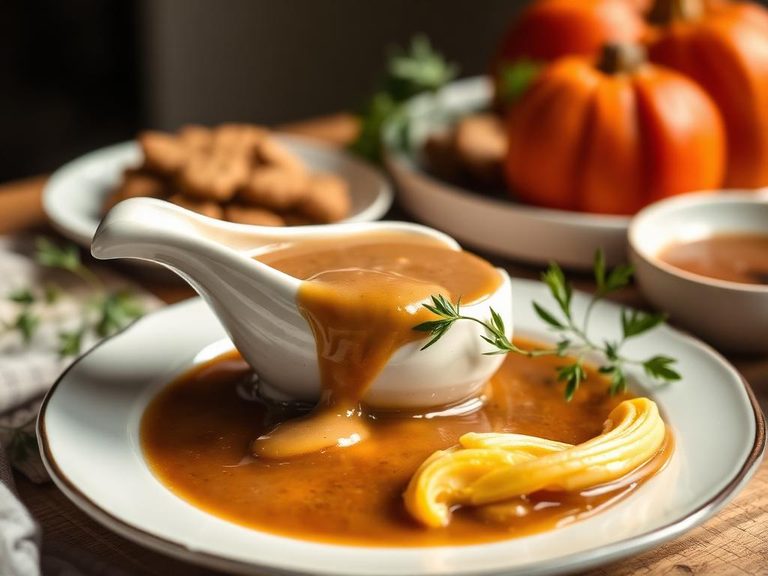
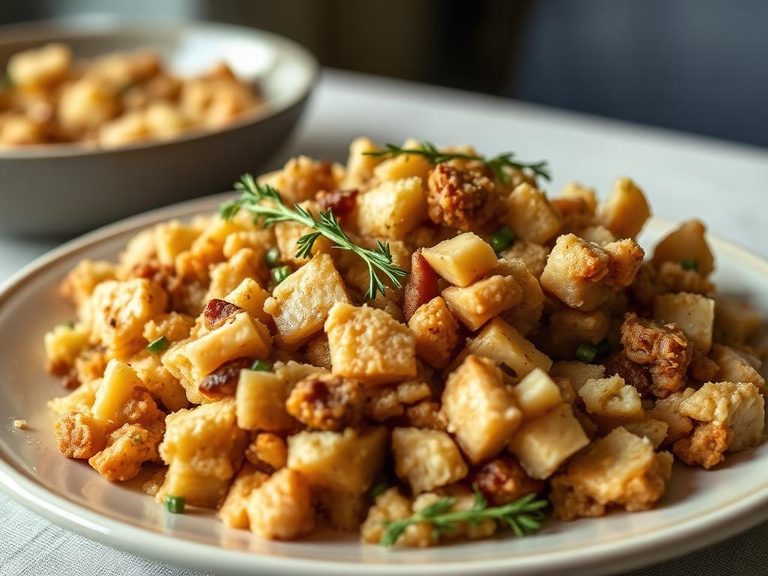
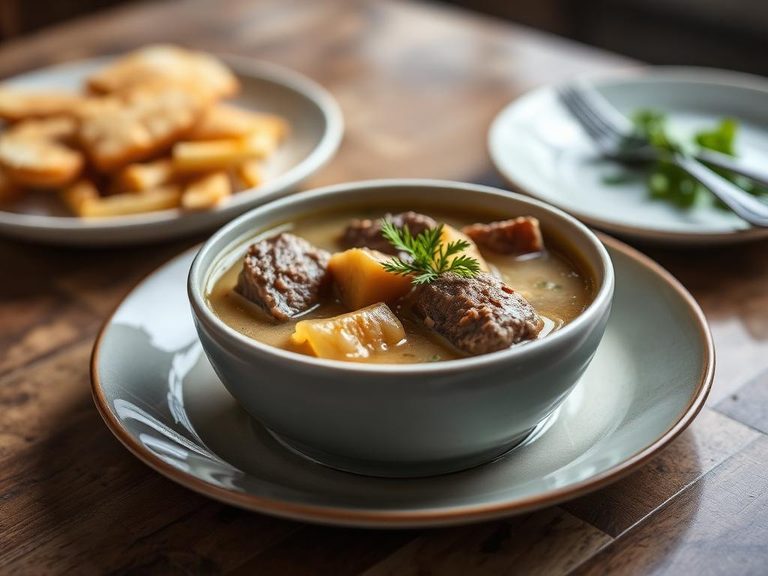
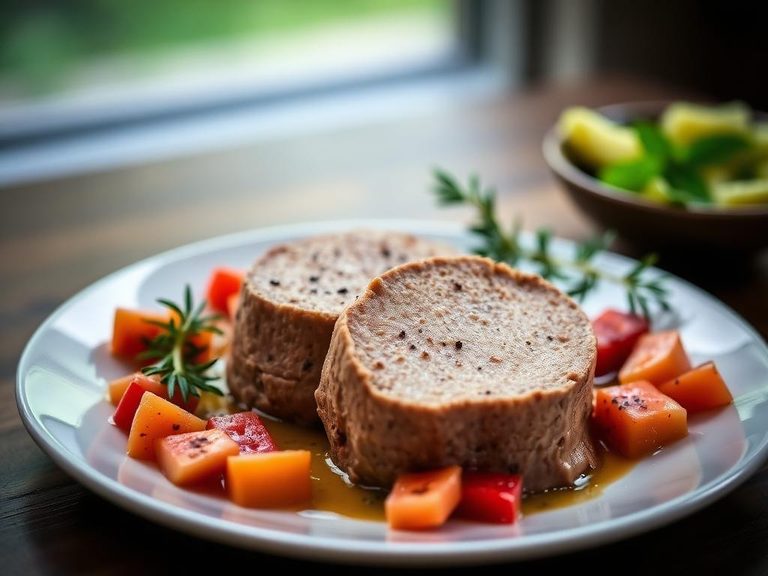
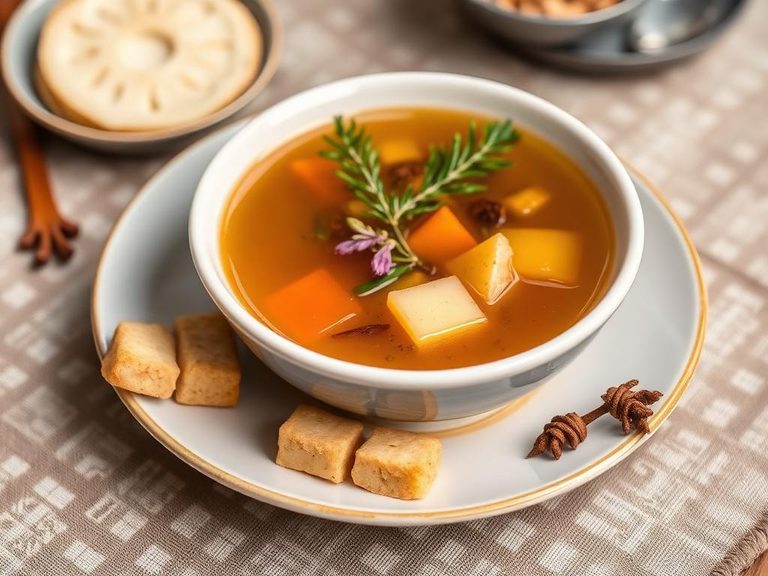
🌍 Where it's eaten
💡 Did you know?
The gizzard is a muscular stomach that grinds food with swallowed grit or stones, giving it a uniquely firm, chewy texture distinct from the other organs.
Full nutrition (USDA data · scales with serving)
| Water | 66.5 g |
| Energy | 164 kcal |
| Energy | 686 kj |
| Protein | 26.4 g |
| Total lipid (fat) | 5.4 g |
| Ash | 0.91 g |
| Carbohydrate, by difference | 0.76 g |
| Fiber, total dietary | 0.00 g |
| Calcium, Ca | 13.0 mg |
| Iron, Fe | 6.8 mg |
| Magnesium, Mg | 20.0 mg |
| Phosphorus, P | 235 mg |
| Potassium, K | 153 mg |
| Sodium, Na | 55.0 mg |
| Zinc, Zn | 4.7 mg |
| Copper, Cu | 0.29 mg |
| Manganese, Mn | 0.19 mg |
| Selenium, Se | 95.0 ug |
| Vitamin C, total ascorbic acid | 9.0 mg |
| Thiamin | 0.10 mg |
| Riboflavin | 1.1 mg |
| Niacin | 4.1 mg |
| Pantothenic acid | 3.3 mg |
| Vitamin B-6 | 0.38 mg |
| Folate, total | 414 ug |
| Folic acid | 0.00 ug |
| Folate, food | 414 ug |
| Folate, DFE | 414 ug |
| Vitamin B-12 | 1.1 ug |
| Vitamin A, RAE | 3984 ug |
| Retinol | 3984 ug |
| Vitamin A, IU | 13266 iu |
Fat & fatty acid profile (per 100g)
| Fatty acids, total saturated | 1.8 g |
| SFA 10:0 | 0.00 g |
| SFA 12:0 | 0.00 g |
| SFA 14:0 | 0.02 g |
| SFA 16:0 | 0.98 g |
| SFA 18:0 | 0.69 g |
| Fatty acids, total monounsaturated | 1.4 g |
| MUFA 16:1 | 0.18 g |
| MUFA 18:1 | 1.2 g |
| MUFA 20:1 | 0.01 g |
| MUFA 22:1 | 0.00 g |
| Fatty acids, total polyunsaturated | 1.1 g |
| PUFA 18:2 | 0.75 g |
| PUFA 18:3 | 0.02 g |
| PUFA 20:4 | 0.25 g |
| PUFA 20:5 n-3 (EPA) | 0.02 g |
| PUFA 22:5 n-3 (DPA) | 0.01 g |
| PUFA 22:6 n-3 (DHA) | 0.05 g |
| Cholesterol | 434 mg |
Amino acid profile (per 100g)
| Tryptophan | 0.31 g |
| Threonine | 1.2 g |
| Isoleucine | 1.3 g |
| Leucine | 2.2 g |
| Lysine | 1.9 g |
| Methionine | 0.65 g |
| Cystine | 0.35 g |
| Phenylalanine | 1.2 g |
| Tyrosine | 0.88 g |
| Valine | 1.5 g |
| Arginine | 1.7 g |
| Histidine | 0.63 g |
| Alanine | 1.3 g |
| Aspartic acid | 2.5 g |
| Glutamic acid | 3.9 g |
| Glycine | 1.5 g |
| Proline | 1.3 g |
| Serine | 1.1 g |
FAQ
What exactly are giblets?
Giblets refer to the edible internal organs of poultry, typically including the heart, liver, gizzard, and sometimes the neck and kidneys.
How do I cook them if they come in a bag inside the bird?
Remove the bag from the bird's cavity before cooking. You can simmer the giblets separately in water to make broth, or chop and sauté them to add to stuffing or gravy.
Are capon giblets different from regular chicken giblets?
Capon giblets may be slightly larger and richer due to the bird's size and diet, but they are prepared and used identically to standard chicken or turkey giblets.
Nutrient density (calculated · NRF9.3)
Nutrient Rich Foods index: beneficial nutrients (protein, fiber, vitamins, minerals) minus saturated fat, added sugar & sodium, per 100 kcal.
NRF9.3 index — Fulgoni, Keast & Drewnowski, 2009. Computed from USDA nutrients.
Weight-loss friendliness (composite index)
Energy density 1.64 kcal/g · 64% calories from protein · 0.0 g fiber · 0.0 g sugar per 100 g.
Composite of energy density (Rolls et al., 1999), protein & fiber satiety, minus sugar. A calculated heuristic — ranks satiety-per-calorie, not a clinical measure.
Dietary load (calculated from USDA values)
Potential renal acid load. Positive = acid-forming, negative = alkaline-forming.
Sodium-to-potassium ratio: 0.36 (lower is better — aim for ≤ 1)
Sodium:potassium per WHO potassium guidance. Computed from USDA nutrients.