

Chicken, broilers or fryers, skin only, cooked, stewed
Whole food · Poultry Products
This is the rendered skin of a cooked chicken, typically stewed or braised, resulting in a soft, gelatinous texture with a rich, savory, and intensely chicken-forward flavor. Nutritionally, it's a concentrated source of fat and calories, with a modest amount of protein but virtually no carbohydrates, making it a key component for adding richness and mouthfeel to dishes.
Calorie split: 17% protein · 0% carbs · 83% fat
↓ Full nutrition💚 Why it's loved
People love it for its unparalleled ability to infuse dishes with deep, savory flavor and a silky, luxurious mouthfeel. It's a cornerstone of comfort food, prized for transforming simple stews and soups into rich, satisfying meals.
⚠️ Watch-outs & how to enjoy it better
Its high saturated fat and calorie content make it a poor choice for those monitoring heart health or calorie intake. To enjoy it wisely, use it sparingly as a flavoring agent rather than a main component, and always skim excess fat from finished dishes. Pairing it with high-fiber vegetables can help balance the meal.
Key benefits
- Excellent source of dietary fat for energy and satiety.
- Provides a concentrated dose of savory umami flavor.
- Contains collagen, which can support skin and joint health.
- A traditional ingredient for enriching broths and gravies.
- Can be a useful calorie-dense food for those needing to gain weight.
🍽️ Popular dishes
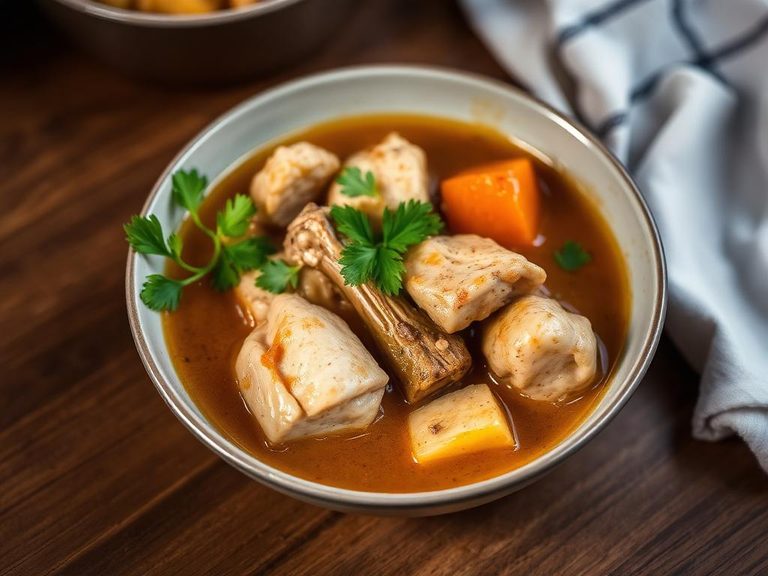
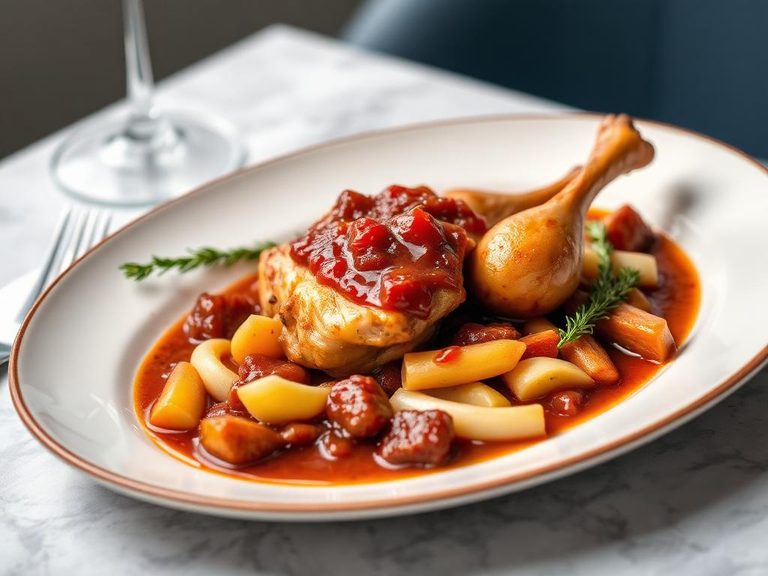
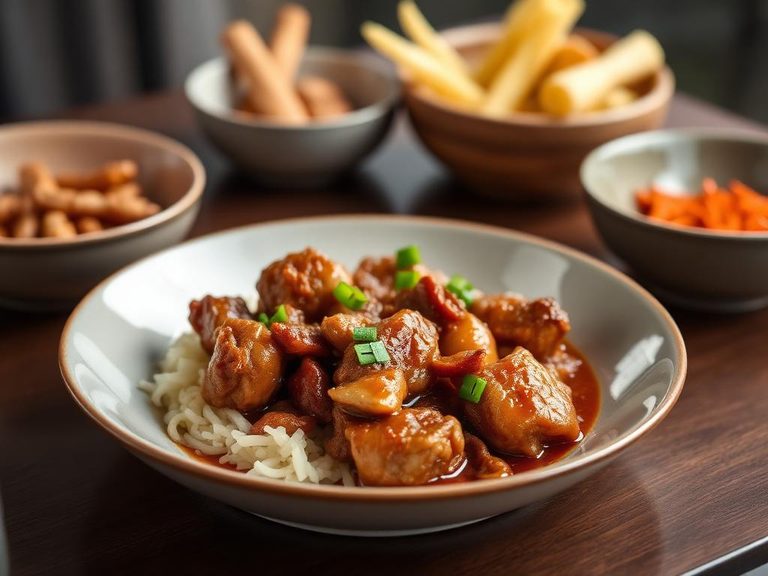
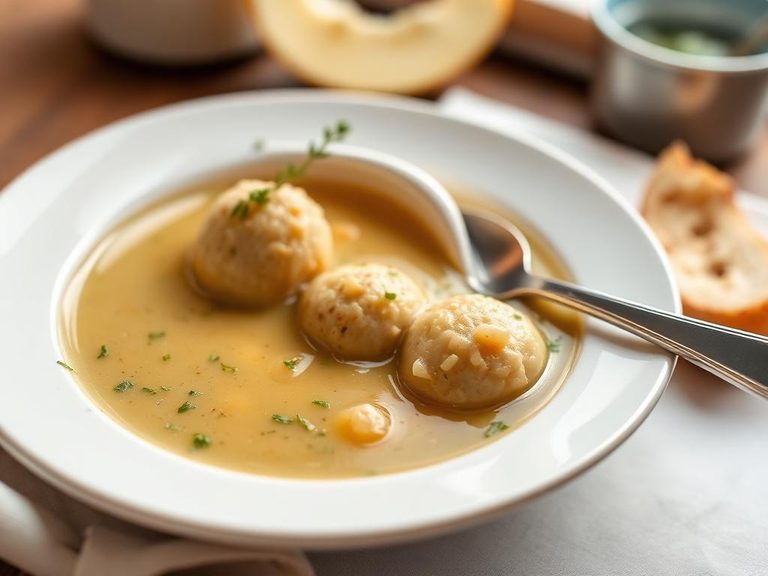
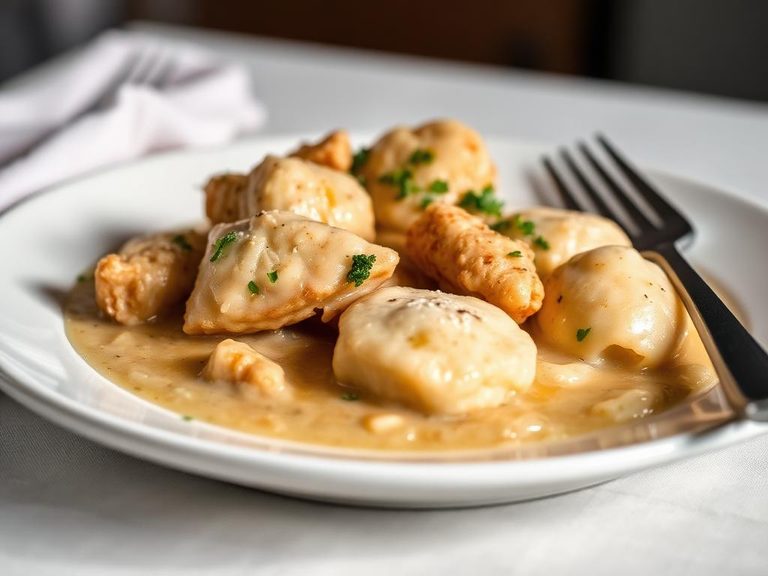
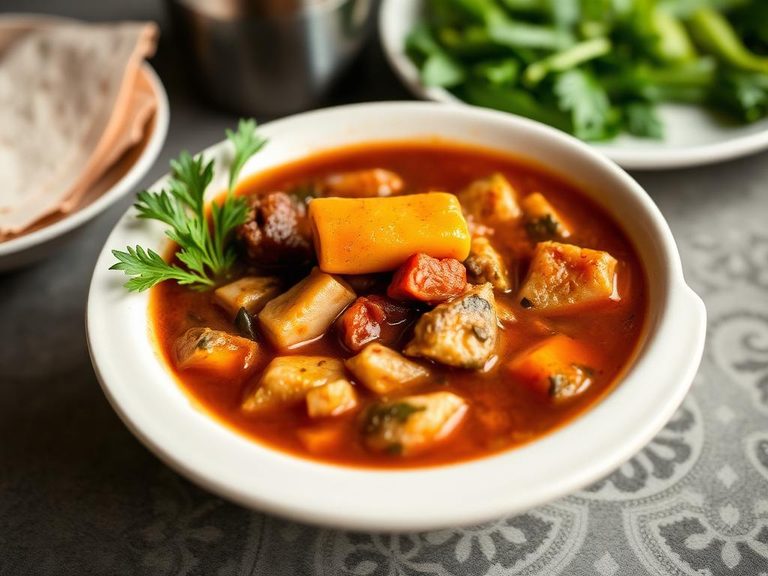
🌍 Where it's eaten
💡 Did you know?
The fat rendered from chicken skin is called schmaltz and was a primary cooking fat in Ashkenazi Jewish cuisine before the widespread use of vegetable oils.
Full nutrition (USDA data · scales with serving)
| Water | 53.3 g |
| Energy | 363 kcal |
| Energy | 1519 kj |
| Protein | 15.2 g |
| Total lipid (fat) | 33.0 g |
| Ash | 0.43 g |
| Carbohydrate, by difference | 0.00 g |
| Fiber, total dietary | 0.00 g |
| Calcium, Ca | 12.0 mg |
| Iron, Fe | 1.1 mg |
| Magnesium, Mg | 13.0 mg |
| Phosphorus, P | 99.0 mg |
| Potassium, K | 117 mg |
| Sodium, Na | 56.0 mg |
| Zinc, Zn | 0.96 mg |
| Copper, Cu | 0.05 mg |
| Manganese, Mn | 0.02 mg |
| Selenium, Se | 14.4 ug |
| Vitamin C, total ascorbic acid | 0.00 mg |
| Thiamin | 0.03 mg |
| Riboflavin | 0.09 mg |
| Niacin | 3.8 mg |
| Pantothenic acid | 0.39 mg |
| Vitamin B-6 | 0.05 mg |
| Folate, total | 2.0 ug |
| Folic acid | 0.00 ug |
| Folate, food | 2.0 ug |
| Folate, DFE | 2.0 ug |
| Vitamin B-12 | 0.11 ug |
| Retinol | 59.0 ug |
| Vitamin A, IU | 198 iu |
| Vitamin D (D2 + D3), International Units | 7.0 iu |
| Vitamin D (D2 + D3) | 0.20 ug |
| Vitamin D3 (cholecalciferol) | 0.20 ug |
Fat & fatty acid profile (per 100g)
| Fatty acids, total saturated | 9.3 g |
| SFA 10:0 | 0.00 g |
| SFA 12:0 | 0.03 g |
| SFA 14:0 | 0.27 g |
| SFA 16:0 | 7.1 g |
| SFA 18:0 | 1.6 g |
| Fatty acids, total monounsaturated | 13.8 g |
| MUFA 16:1 | 1.9 g |
| MUFA 18:1 | 11.3 g |
| MUFA 20:1 | 0.43 g |
| MUFA 22:1 | 0.00 g |
| Fatty acids, total polyunsaturated | 7.0 g |
| PUFA 18:2 | 6.4 g |
| PUFA 18:3 | 0.27 g |
| PUFA 20:4 | 0.09 g |
| PUFA 20:5 n-3 (EPA) | 0.02 g |
| PUFA 22:5 n-3 (DPA) | 0.01 g |
| PUFA 22:6 n-3 (DHA) | 0.03 g |
| Cholesterol | 63.0 mg |
Amino acid profile (per 100g)
| Tryptophan | 0.12 g |
| Threonine | 0.54 g |
| Isoleucine | 0.49 g |
| Leucine | 0.89 g |
| Lysine | 0.91 g |
| Methionine | 0.30 g |
| Cystine | 0.25 g |
| Phenylalanine | 0.51 g |
| Tyrosine | 0.35 g |
| Valine | 0.64 g |
| Arginine | 1.2 g |
| Histidine | 0.29 g |
| Alanine | 1.2 g |
| Aspartic acid | 1.4 g |
| Glutamic acid | 1.9 g |
| Glycine | 2.4 g |
| Proline | 1.4 g |
| Serine | 0.62 g |
FAQ
Is chicken skin healthy to eat?
It's a matter of context. It's high in saturated fat and calories, so it's best enjoyed in moderation as part of a balanced diet. It does provide some protein and beneficial nutrients like collagen.
How can I make chicken skin less fatty when cooking?
For stewed preparations, you can chill the finished dish and easily skim the solidified fat from the surface before reheating. You can also start with skinless pieces and add a small amount of skin separately for flavor.
What's the difference between stewed and roasted chicken skin?
Stewed skin becomes soft, gelatinous, and melts into the cooking liquid, enriching it. Roasted or fried skin is cooked until crisp and is eaten as a textural element.
Nutrient density (calculated · NRF9.3)
Nutrient Rich Foods index: beneficial nutrients (protein, fiber, vitamins, minerals) minus saturated fat, added sugar & sodium, per 100 kcal.
NRF9.3 index — Fulgoni, Keast & Drewnowski, 2009. Computed from USDA nutrients.
Weight-loss friendliness (composite index)
Energy density 3.63 kcal/g · 17% calories from protein · 0.0 g fiber · 0.0 g sugar per 100 g.
Composite of energy density (Rolls et al., 1999), protein & fiber satiety, minus sugar. A calculated heuristic — ranks satiety-per-calorie, not a clinical measure.
Dietary load (calculated from USDA values)
Potential renal acid load. Positive = acid-forming, negative = alkaline-forming.
Sodium-to-potassium ratio: 0.48 (lower is better — aim for ≤ 1)
Sodium:potassium per WHO potassium guidance. Computed from USDA nutrients.